With concert tourism gaining ground in Asia, we need to keep in mind that it’s not the only major hub for the sector.
Indeed, while Singapore has been actively wooing global artists and both Japan and South Korea continue to enjoy the revenue pouring in from J-pop / J-rock and K-pop events, the rest of the world is still rolling out the red carpet for major acts and their fans.
By doing so, they aren’t just securing a place for themselves in contemporary music history, but also boosting activity and revenues for everything from airlines and hotels to retailers and attractions.
This year, experts are pointing out five nations that stand to take the lead in global concert tourism, not just in terms of arrival numbers, but also what they can offer fans travelling into their territory.

United States: Festivals from sea to shining sea
The biggest musical draw for the United States in terms of concert tourism is still its diverse range of musical festivals.
The country initially came to the fore as a major musical attraction in the ‘60s when Woodstock pulled droves of young adults from throughout the country into New York state to enjoy performances from The Grateful Dead, The Who, Joan Baez and a host of artists who became legends in their own right.
Since then, other music-centric attractions have emerged, ranging from the country music hub that is Tennessee’s Grand Ole Opry, to the New Orleans Jazz and Heritage Festival in Louisiana, to Coachella which has become the It Girl of contemporary music festivals, seeing how it draws in some of the biggest names in the current industry.
Just to give you an idea of the economic impact Coachella has, consider this: the 2017 edition of Coachella became the first music festival in the world to breach the US$100 million-mark in terms of earnings, breaching it at US$114.6 million through its two-day run.
At the same time, Coachella attendees brought US$106 million to local accommodations, F&B, and retail providers in the host town of Indio, part of the US$600 million the festival generated in total for the Coachella Valley.
However, experts point out that the current sociopolitical climate in the US has significantly driven down demand for it as a tourism destination; at the same time, the directive issued earlier this week suspending visa processing for 75 countries could mean lower numbers and even lower revenues for the US concert scene this year.

The United Kingdom: Music matters
It shouldn’t be surprising that the country that gave the world both The Beatles and The Rolling Stones continues to be a hub for music tourism.
When it comes to concert tourism, however, one UK festival continues to rule the roost even after half a century: Glastonbury.
As of end-2023, the global music festival has generated £168 million for UK tourism and tourism-adjacent businesses, with £32 million of that specifically benefiting Somerset in whose jurisdiction Glastonbury is held.
In terms of the bigger picture, music tourism (combining concerts with related historical tours) generated £3.1 billion as of end-2014 and the total has improved following the pandemic, albeit slowly.
As former British culture secretary John Whittingdale put it: "Festivals like Glastonbury hold an iconic status on the world music scene and are one of the reasons why international tourism is booming in the UK, drawing in streams of visitors to all parts of the country."
Japan: Innovation changes the game
Neighbouring South Korea’s acts may be touring the world right now, but concert tourism to and within Japan remains a major revenue generator for the country.
Per a Statista report, the live music industry generated over US$3.2 billion in total revenues as of end-2023, 90 percent of which was earned by domestic acts.
While the official numbers aren’t in as of press time, it was projected that the sector stood to earn around US$1.5 billion by end-2025.
This drop in revenues has prompted Japanese event organisers to step up their game, offering innovative approaches that are revolutionising the industry.
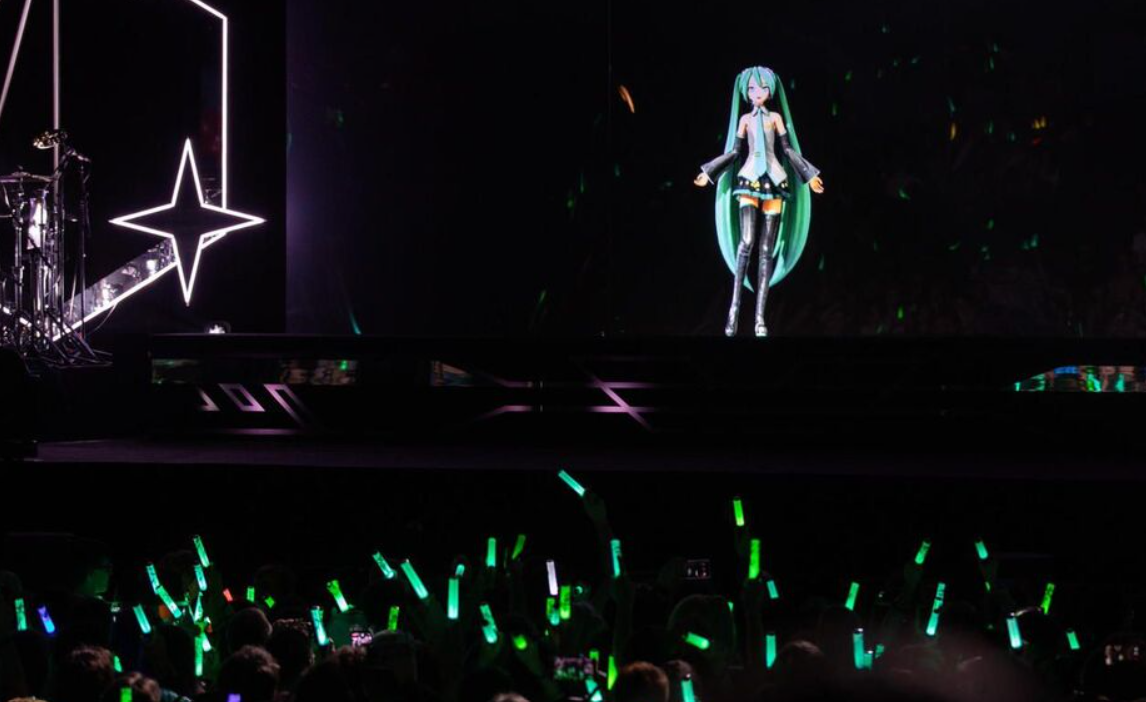
One interesting example is that of the Hatsune Miku Expo, a global concert tour organised by Crypton Future Media featuring the digitally-generated idol singer Hatsune Miku, which skillfully blends artificial intelligence, stage management, and virtual/augmented reality technologies to bring the virtual star to life.

Australia: Moving beyond Splendour in the Grass
When it comes to concert tourism, Splendour in the Grass is what usually comes to mind when Australia is brought up.
Prior to 2020 and the onslaught of COVID-19, the country’s premier music festival generated an average of around AU$87 million per annum, generating over 300 jobs locally as a way of stimulating the economy of the Byron Bay area.
Today, however, Splendour is no longer the only game in town when it comes to concert tourism.
Melbourne’s Laneway Festival, slated for 5th to 15th February, has long boomed from a local gig to a multi-day, multi-stage festival that is drawing in the like of global star Chappell Roan to come and jam with local artists specialising in a wide array of musical genres.
Laneway has also expanded its scope, bringing concert fans to locations not just in Australia, but also in neighbouring New Zealand.

India: A rising powerhouse
India may not strike most people as a key venue for concert tourism, but there is no mistaking the fact that the country’s live music sector was valued at around US$1.4 billion as of end-2024 and is growing at a compound annual growth rate of about 19 percent.
Surprisingly, a number of global acts are shying away from the crush of Mumbai and Delhi and mounting their performances in the country’s second- and third-tier cities.
Far from being seen negatively, this development is seen as an economic boost to areas that would normally be bypassed for major events, generating both revenue and income in spades.
The second-string city of Meghalaya, in particular, made history in 2024 as the first city in India to have a formal music tourism policy that looked on concerts as long-term investments as opposed to one-time booms.
This prompted chief minister Conrad K Sangma to remark: “These events must not be seen as expenses but as investments that attract visitors, empower local talent, boost the local economy, and create resources to support other essential sectors.”
But while these five nations are currently riding the crest of the wave, the year is young and we’re keeping an eye on other emergent players in the field.