Kempinski Hotel Corvinus Budapest as cultural institution

Travel Daily Media

TDM AWARDS - NOMINATE NOW!

Budapest’s Cultural Powerhouse: Kempinski Corvinus and the Rise of Experiential Urban Luxury

In an interview with Ildikó Dudás, Public Relations Director at Kempinski Hotel Corvinus Budapest, the hotel’s role as a cultural and design anchor in Central Europe comes into sharper focus. Dudás explains how the Corvinus legacy from its architectural origins to its curated art collection, wellness philosophy and gastronomic landscape, continues to influence how travellers experience Budapest’s evolving concept of urban luxury.

More than three decades after its opening as one of the first international luxury hotels in post-Communist Budapest, Kempinski Hotel Corvinus stands today as a hub of modern culture, hospitality and design. Its story mirrors that of the city itself — a beautiful dance between heritage and reinvention, between tradition and contemporary creativity. Excerpts from the interview:

A Modern Architectural Classic

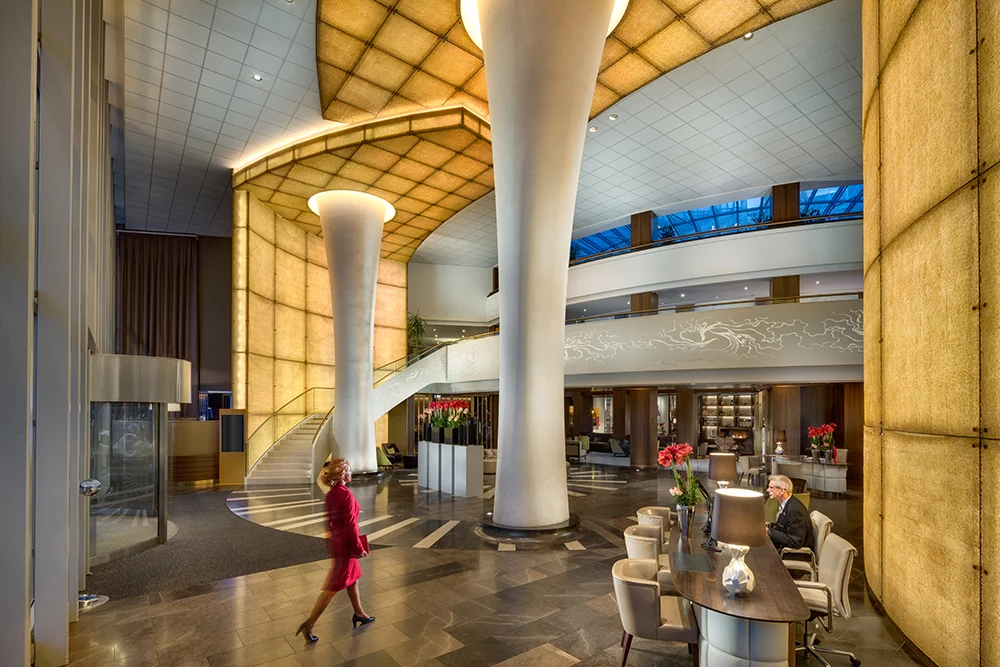
The hotel’s architectural journey began with renowned Hungarian architect József Finta, whose vision was to introduce a bold, modern silhouette to a city ready to step into a new era. The result was a structure that broke away from the past with confidence, embracing fluid lines and generous spaces. Over time, a series of sensitive redesigns have allowed this architectural foundation to evolve into a refined, contemporary retreat.

Today, the interiors draw heavily from a calm, Japandi-inspired aesthetic. Soft woods, clean edges, organic materials and gentle lighting create a sense of equilibrium throughout the guest rooms and public spaces. The design reflects a universal truth about the modern traveller — that luxury begins with ease, clarity and comfort. Dudás sees this evolution as perfectly aligned with Budapest’s own trajectory, as the city increasingly positions itself as a cosmopolitan hub defined by culture, creativity and forward-thinking design.

An Art Collection That Tells a City’s Story

While many luxury hotels display art, Corvinus curates it. The hotel's extraordinary Corvinus Art Collection, comprising more than 1,000 works, is a defining element of its identity. Walking through its corridors often feels like navigating a contemporary gallery, with each piece adding to the narrative of modern Hungarian expression. The idea was never to decorate, but to create an environment where culture lives and breathes. The collection is a dynamic dialogue between Budapest’s creative present and its historic sensibilities. As a result, guests don’t simply observe the city’s artistic pulse — they sleep within it, dine beside it, and move through it.

It is this intersection of culture and hospitality that sets Corvinus apart in Central Europe. Where many luxury hotels lean heavily on historic iconography, Kempinski Corvinus embraces the creative present, positioning itself as an ambassador of modern Budapest.

Wellness as a Contemporary Reprieve

Budapest may be known for its thermal baths, but Kempinski The Spa has carved its own voice in the city’s wellness landscape. Rather than leaning exclusively on tradition, it offers a modern interpretation of rejuvenation — an antidote to overstimulation and urban intensity. The spa’s philosophy is rooted in reconnecting with natural rhythms and elemental harmony. Treatments are thoughtfully curated to reflect seasonal energy, while the design invites stillness and introspection. Recently named “Hungary’s Best Hotel Spa” at the World Spa Awards 2025, the sanctuary continues to set benchmarks in personalised wellbeing. As Spa Manager Katalin O’Nagy notes, the accolade reflects the therapists’ exceptional skill and the team’s warm hospitality — a combination that elevates Budapest’s wellness scene far beyond tradition.

Gastronomy That Defines a Destination

Culinary expression plays a central role at Kempinski Corvinus, not merely as a service but as a cultural offering. The hotel’s dining venues bring together local character, global inspiration and inventive creativity. At Nobu Budapest, Japanese precision meets Peruvian flair, giving Budapest one of its most internationally recognised dining destinations. Meanwhile, ÉS Bisztró interprets Central European cuisine with urban sophistication, celebrating Hungarian flavours through a modern perspective. Blue Fox The Bar has cemented itself as one of the city’s trendiest cocktail haunts, where mixology becomes performance and locals mingle with travellers late into the evening. Even the elegant Living Room reimagines the city’s beloved café culture by transforming it into a warm, contemporary lounge.

A Hotel Reflecting a City in Motion

During the interview, Dudás highlighted the rapid shifts reshaping Hungary’s tourism landscape, all of which influence how guests experience Corvinus today. Budapest Airport is undergoing historic expansion, with record-breaking passenger numbers, new routes and the groundwork for a future Terminal 3. This surge in connectivity aligns with the hotel’s international clientele, who increasingly view Budapest as a gateway city. Sports tourism continues to rise, with Budapest hosting global championships and major events that draw travellers seeking high-end hospitality in the city centre. At the same time, bleisure travel is becoming the new norm — corporate guests stay longer, blending meetings with art tours, spa rituals and culinary exploration.

Kempinski Corvinus sits at the crossroads of these changes. It is strategically placed both geographically and conceptually, evolving alongside a city that is redefining its global identity.


Join The Community

Join The Community

TDM

x Studio

Connect with your clients by working with our in-house brand studio, using our expertise and media reach to help you create and craft your message in video and podcast, native content and whitepapers, webinars and event formats.

Budapest’s Cultural Powerhouse: Kempinski Corvinus and the Rise of Experiential Urban Luxury

In an interview with Ildikó Dudás, Public Relations Director at Kempinski Hotel Corvinus Budapest, the hotel’s role as a cultural and design anchor in Central Europe comes into sharper focus. Dudás explains how the Corvinus legacy from its architectural origins to its curated art collection, wellness philosophy and gastronomic landscape, continues to influence how travellers experience Budapest’s evolving concept of urban luxury.

More than three decades after its opening as one of the first international luxury hotels in post-Communist Budapest, Kempinski Hotel Corvinus stands today as a hub of modern culture, hospitality and design. Its story mirrors that of the city itself — a beautiful dance between heritage and reinvention, between tradition and contemporary creativity. Excerpts from the interview:

A Modern Architectural Classic

The hotel’s architectural journey began with renowned Hungarian architect József Finta, whose vision was to introduce a bold, modern silhouette to a city ready to step into a new era. The result was a structure that broke away from the past with confidence, embracing fluid lines and generous spaces. Over time, a series of sensitive redesigns have allowed this architectural foundation to evolve into a refined, contemporary retreat.

Today, the interiors draw heavily from a calm, Japandi-inspired aesthetic. Soft woods, clean edges, organic materials and gentle lighting create a sense of equilibrium throughout the guest rooms and public spaces. The design reflects a universal truth about the modern traveller — that luxury begins with ease, clarity and comfort. Dudás sees this evolution as perfectly aligned with Budapest’s own trajectory, as the city increasingly positions itself as a cosmopolitan hub defined by culture, creativity and forward-thinking design.

An Art Collection That Tells a City’s Story

While many luxury hotels display art, Corvinus curates it. The hotel's extraordinary Corvinus Art Collection, comprising more than 1,000 works, is a defining element of its identity. Walking through its corridors often feels like navigating a contemporary gallery, with each piece adding to the narrative of modern Hungarian expression. The idea was never to decorate, but to create an environment where culture lives and breathes. The collection is a dynamic dialogue between Budapest’s creative present and its historic sensibilities. As a result, guests don’t simply observe the city’s artistic pulse — they sleep within it, dine beside it, and move through it.

It is this intersection of culture and hospitality that sets Corvinus apart in Central Europe. Where many luxury hotels lean heavily on historic iconography, Kempinski Corvinus embraces the creative present, positioning itself as an ambassador of modern Budapest.

Wellness as a Contemporary Reprieve

Budapest may be known for its thermal baths, but Kempinski The Spa has carved its own voice in the city’s wellness landscape. Rather than leaning exclusively on tradition, it offers a modern interpretation of rejuvenation — an antidote to overstimulation and urban intensity. The spa’s philosophy is rooted in reconnecting with natural rhythms and elemental harmony. Treatments are thoughtfully curated to reflect seasonal energy, while the design invites stillness and introspection. Recently named “Hungary’s Best Hotel Spa” at the World Spa Awards 2025, the sanctuary continues to set benchmarks in personalised wellbeing. As Spa Manager Katalin O’Nagy notes, the accolade reflects the therapists’ exceptional skill and the team’s warm hospitality — a combination that elevates Budapest’s wellness scene far beyond tradition.

Gastronomy That Defines a Destination

Culinary expression plays a central role at Kempinski Corvinus, not merely as a service but as a cultural offering. The hotel’s dining venues bring together local character, global inspiration and inventive creativity. At Nobu Budapest, Japanese precision meets Peruvian flair, giving Budapest one of its most internationally recognised dining destinations. Meanwhile, ÉS Bisztró interprets Central European cuisine with urban sophistication, celebrating Hungarian flavours through a modern perspective. Blue Fox The Bar has cemented itself as one of the city’s trendiest cocktail haunts, where mixology becomes performance and locals mingle with travellers late into the evening. Even the elegant Living Room reimagines the city’s beloved café culture by transforming it into a warm, contemporary lounge.

A Hotel Reflecting a City in Motion

During the interview, Dudás highlighted the rapid shifts reshaping Hungary’s tourism landscape, all of which influence how guests experience Corvinus today. Budapest Airport is undergoing historic expansion, with record-breaking passenger numbers, new routes and the groundwork for a future Terminal 3. This surge in connectivity aligns with the hotel’s international clientele, who increasingly view Budapest as a gateway city. Sports tourism continues to rise, with Budapest hosting global championships and major events that draw travellers seeking high-end hospitality in the city centre. At the same time, bleisure travel is becoming the new norm — corporate guests stay longer, blending meetings with art tours, spa rituals and culinary exploration.

Kempinski Corvinus sits at the crossroads of these changes. It is strategically placed both geographically and conceptually, evolving alongside a city that is redefining its global identity.
Join The Community

Stay Connected

Facebook

101K

Twitter

3.9K

Instagram

1.7K

LinkedIn

19.9K

YouTube

0.2K

TDM

x Studio

Connect with your clients by working with our in-house brand studio, using our expertise and media reach to help you create and craft your message in video and podcast, native content and whitepapers, webinars and event formats.

Scroll to Top