


 Representative Image
Cinema and streaming platforms have become powerful demand drivers for tourism worldwide. In the post-pandemic travel landscape, this exposure has significantly influenced destination choice, accelerating what the travel industry refers to as film tourism or set-jetting.
Over-the-top (OTT) platforms have transformed how audiences consume entertainment. Content today is omnipresent—on smartphones, smart TVs, and laptops—and post-Covid, this shift has also influenced travel behaviour. As blockbuster films and globally successful series found international audiences, they ignited a powerful desire to experience on-screen destinations in real life.
Viewers no longer want to simply watch stories unfold; they want to step into them. Travel today is increasingly shaped by the “fame factor” of cinema, allowing tourists to star in their own experiential journeys inspired by iconic locations immortalised on screen.
Blockbuster films and high-impact series no longer just entertain—they convert viewers into travellers seeking to experience on-screen locations firsthand.

From Screen Exposure to Bookable Demand
Visually rich storytelling featuring panoramic landscapes, heritage sites, and immersive cultural settings has consistently translated into travel intent. Industry professionals commonly cite the “White Lotus effect” as a recent benchmark in screen-to-travel conversion.

Representative Image
HBO’s The White Lotus, filmed at luxury resorts in Hawaii, Italy, and Thailand, is distinctive because it features real, premium properties that viewers can immediately book.
A survey by travel experience marketplace GetYourGuide revealed that 75% of fans admitted that “The White Lotus” had influenced their travel more than any other show, and that 31% had already visited Hawaii, Italy, or Thailand because of it, with 68% planning to visit the show's filming locations in the future. A whopping 93% said they would consider booking a “White Lotus”-themed experience or tour.
Set-jetting allows film fans to step into the world of their favorite stories and experience the magic firsthand.
This level of intent demonstrates how content can directly impact booking behaviour.

Representative Image
Market Growth and Revenue Potential
The global film tourism market is projected to grow from USD 66.2 billion in 2025 to USD 145.9 billion by 2035, at a CAGR of 8.2%. Destinations, tourism boards, and travel sellers are increasingly packaging film locations into experiential tourism products—combining location access, storytelling, hospitality, and fan engagement.
Travel agencies and tourism boards based in iconic spots are rebranding their film tourism products as they become a part of one interactive experience, screen-to-fan interaction, and high-end hospitality.
Hobbiton, New Zealand; Harry Potter Studio Tour in the United Kingdom; and Universal Studios, California; just to mention a few, are cinema tourist magnets. Target points such as Game of Thrones settings in Iceland, Dubrovnik for Game of Thrones, Scottish Highlands for Outlander and K-drama filming locations in South Korea are attracting global tourists who want to immerse themselves in on-site worlds.

Representative Image
Studio Tourism and Experiential Upsell
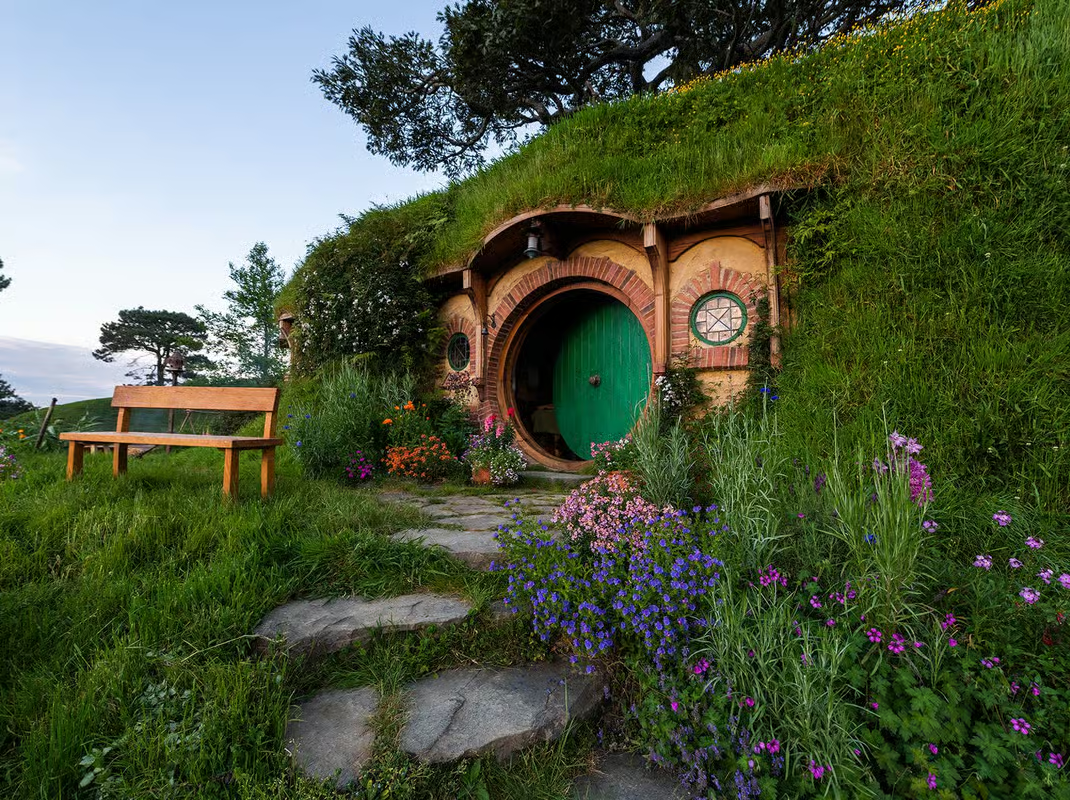
Studio tourism has emerged as a high-yield vertical within leisure travel. Fans of The Lord of the Rings travel internationally to New Zealand, spending on guided tours, themed accommodations, and exclusive merchandise. Similarly, Harry Potter fans purchase premium and VIP experiences at Warner Bros. Studio Tour London, offering behind-the-scenes access to sets, props, and production insights.
Such offerings extend average trip duration and increase per-visitor revenue, making them attractive to tour operators and destination marketers.

Image Courtesy: Youtube
India: Cinema as a Destination Branding Tool
India’s Media and Entertainment industry is projected to reach INR 8,29,390 crore by 2030, with box office collections exceeding INR 12,000 crore in 2023. Several Indian states are actively leveraging cinema to build tourism visibility:
3 Idiots triggered a 2.4x increase in tourist arrivals to Ladakh. Padmaavat, Bajirao Mastani, and Jodhaa Akbar showcased Rajasthan’s forts and palaces, supported by tourism board promotions. Jiya Jale highlighted Kerala’s backwaters, while Baahubali boosted footfall at Athirapally Falls
Film-led visibility has helped convert cultural landmarks into year-round tourism assets.
Representative Image
Tourism Boards as Strategic Partners
Successful film tourism growth is often backed by strong institutional support:
- Iceland saw international arrivals grow from 565,600 in 2011 to over 2.3 million in 2018 following Game of Thrones
- New Zealand welcomed 3.6 million annual visitors by 2018, with an estimated USD 620 million spent solely on LOTR and Hobbit filming locations since 2001
- Scotland capitalised on Outlander through targeted destination marketing
- Jordan continues to promote Petra’s cinematic visibility from Indiana Jones and the Last Crusade
These examples underline the importance of film facilitation policies, marketing partnerships, and post-production tourism planning.
Industry Takeaway
Film and OTT content have evolved into strategic marketing channels for destinations. For travel trade stakeholders—tour operators, DMCs, hotels, and tourism boards—cinema-led tourism offers opportunities to:
- Drive destination awareness at scale
- Create premium, experience-based products
- Increase average spend and length of stay
- Build long-term destination branding
As content consumption grows globally, destinations that align storytelling with tourism infrastructure will remain best positioned to convert screen exposure into sustained travel demand.




