2025 in retrospective: The trends that characterised an eventful year

Travel Daily Media

TDM AWARDS - NOMINATE NOW!

2025 in retrospective: The trends that characterised an eventful year

We run down the trends that shaped global travel throughout 2025

As 2025 draws to its inevitable conclusion, we at Travel Daily Media take a look back at the trends and innovations that have transformed global travel and tourism.

From the greying of the individual traveller and the need for airport reform throughout the globe, to the clamour for inclusivity and accessibility for travellers with both visible and unseen physical concerns, 2025 has its share of significant developments.

In today's post, we break down the most prominent of these trends.

Likewise, we will also share our own forecast on what we see looming on the horizon for global travel in the coming year.

In praise of immersive experiences

2025 saw a significant shift in the way tours are done the world over.

As opposed to the standard guided tours where tourists simply gawk at the sights offered by a destination, today's itineraries include activities that allow travellers to take part in local culture and customs.

Thailand led the way here decades ago with cooking classes that taught interested individuals the nuances of both conventional and royal cuisine, but the country has since branched out by giving travellers the opportunity to take part in traditional crafts such as the creation of floral offerings at temples, or explore their creative side through onsite workshops.

One very good example is the one offered at Khwai Din Daak Art House in Chiang Rai where the owner/artist-in-residence encourages guests to try their hand at painting with indigenous pigments derived from soil, teaching lessons in both self-expression and environmental protection.

Another is the perfume compounding workshop at ScentDom Orchid City on the outskirts of Tainan in Taiwan where participants are introduced to a variety of orchid-derived essential and compound oils they can use to formulate a signature fragrance uniquely their own.

It's time to rethink airport design and management

With the recent opening of Techo International Airport in Cambodia, the impending launch of the New JFK in New York City, and that of Singapore Changi Airport's Terminal 5, we have seen significant developments where global airports are concerned.

However, much as the bells and whistles offered by new and "revitalised" airports look appealing, we feel that airport reform should go beyond aesthetics.

For example: what are today's airports doing about accessibility for the disabled community?

In our coverage of global events throughout 2025, we have noted a lot of issues among airports, particularly for those of us with physical mobility issues as well as the elderly.

Travellators are either out of service or non-existent, especially at provincial airports specifically for domestic routes.

Wheelchair availability at entry gates has to be arranged well beforehand, but what about passengers who meet accidents before arrival?

The way many arrival or boarding gates are structured is also an issue, along with their placement so far from immigration portals.

The introduction of biometrics has been a help for airports, particularly at immigration counters; but we feel that, especially in Southeast Asia and much of the developing world, there is still a great deal of inefficiency that needs to be addressed.

At the same time, we repeat what we have long said about airports giving travellers their first and last impressions of a country.

Unfortunately, airports need to rethink and recalibrate staff training as many travellers struggle to get help at airports owing to unresolved language barriers, as well as the negative attitude of the local staff they encounter.

Here comes the train

High-speed rail travel significantly made its way to Southeast Asia this year, with the latest being the new railway service between the Malaysian cities of Johor Bahru and Kuala Lumpur.

Trips that once took hours on the road now take no longer than about 30 minutes to an hour flat, and passengers can make their way to their destinations in comfort and style.

Now, high-speed rail travel isn't exactly new, but it is still considered a novelty in a region where public transport often gets shunted to the back burner.

With the introduction of the Malaysian Electric Train Service (ETS) and the ongoing popularity of Indonesia's WHOOSH, people's eyes are opening their eyes to a form of travel that takes less time on the road and more time spent with loved ones at their destination of choice.

Also, should high-speed rail travel become more widespread throughout the region, we may eventually see a drastic reduction in road traffic as well as greenhouse emissions.
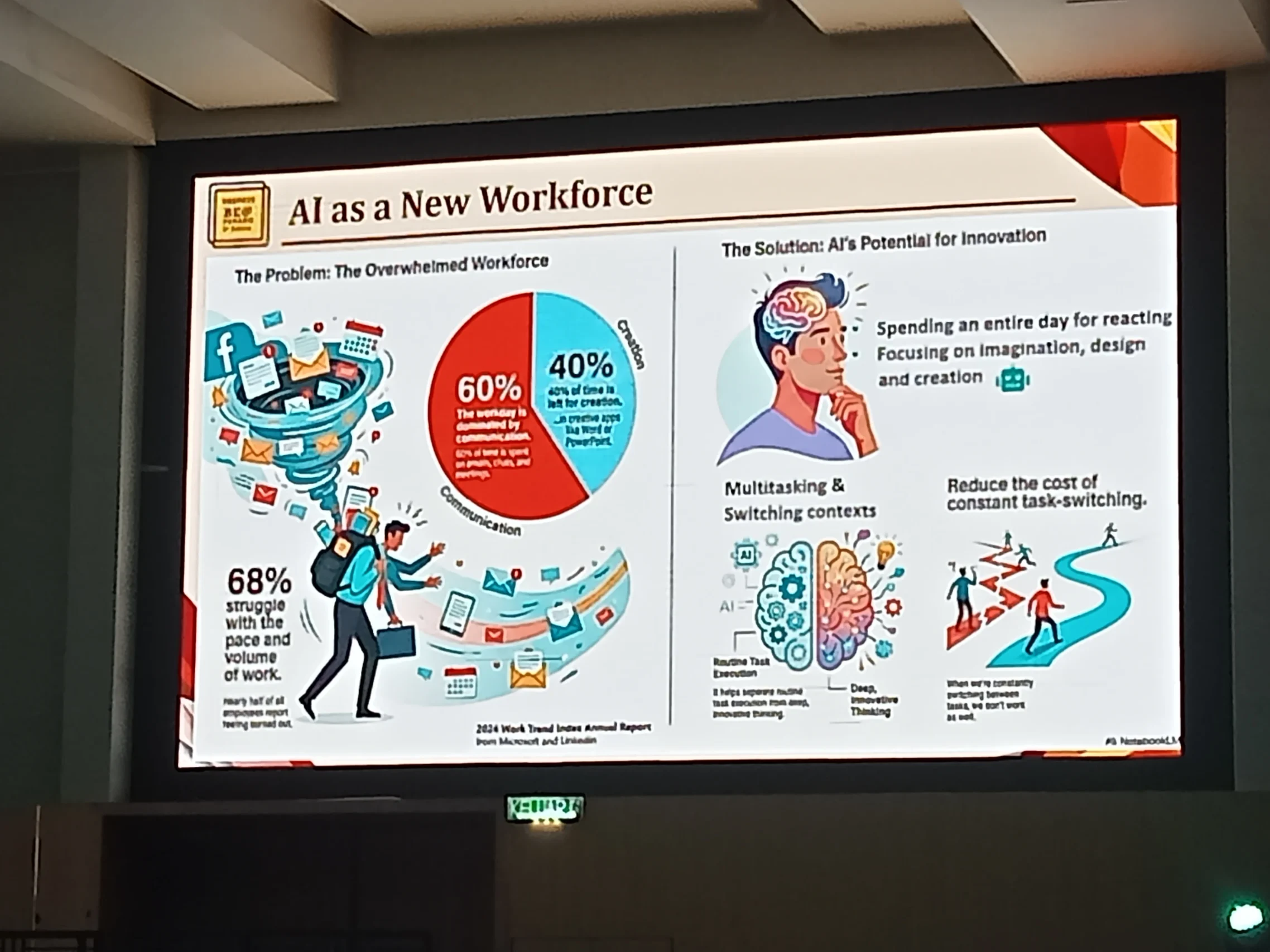
An excerpt from BornTiger CEO Bona Nahyun Lee's talk on the AI-powered future of business events

AI is an ally, not a foe...

In terms of travel technology, artificial intelligence (AI) remains one of the most, if not the most, controversial of topics.

But we have seen over the past year how AI has actually made things easier throughout diverse sectors.

From aviation to hospitality, AI-driven tools have sped up the automation of back-end processes, this boosting overall efficiency and giving staff a break from the repetitive tedium of their tasks.

In terms of trip planning, AI-driven searches have enabled travellers to come to decisions faster, as the technology points them in the right direction, offering the best options available based on their interests and budget, and offering assistance when it comes to booking.

...but people remain the beating heart of hospitality

We're with Adrian Praveen on this one: technology will never replace the human touch, especially in the field of global hospitality.

That said, skills improvement at hotels needs to go beyond teaching people how to use new tools and technologies.

Instead, trainers need to beef up the people skills of hotel staff, improving their demeanour towards guests as their behaviour pretty much dictates whether or not a guest will choose to book the property again.

Language skills are also key, along with sensitivity and inclusivity training to ensure that every guest feels welcomed and special.

Also, accessibility needs to become a part of hospitality management moving forward.

It isn't just a matter of adding ramps to entrances and public areas, but also an increased number of accessibility-centric rooms, signage for the visually and even the hearing impaired, as well as calm rooms for the neurodivergent who need space to collect themselves after a stressful day or to breathe to prevent themselves from getting overwhelmed by sensory overload.

Also, given the silvering of the world's populations, thought must also be given to measures for older guests, not just in the hospitality sector, but also by attractions and transportation providers.

Establishments need to assess accident risks, as well as measures for ensuring guest or passenger comfort, immediate access to key services, and ensuring the availability of relevant medical services at all times.

When people think about other people and take their concerns hands-on, then the hotel experience becomes better and more meaningful for all stakeholders concerned.

With that, we set our sights to the year ahead; may it prove to be a great one for travel, and one that puts a human face and touch on the entire experience.


Join The Community

Join The Community

TDM

x Studio

Connect with your clients by working with our in-house brand studio, using our expertise and media reach to help you create and craft your message in video and podcast, native content and whitepapers, webinars and event formats.

2025 in retrospective: The trends that characterised an eventful year

We run down the trends that shaped global travel throughout 2025

As 2025 draws to its inevitable conclusion, we at Travel Daily Media take a look back at the trends and innovations that have transformed global travel and tourism.

From the greying of the individual traveller and the need for airport reform throughout the globe, to the clamour for inclusivity and accessibility for travellers with both visible and unseen physical concerns, 2025 has its share of significant developments.

In today's post, we break down the most prominent of these trends.

Likewise, we will also share our own forecast on what we see looming on the horizon for global travel in the coming year.

In praise of immersive experiences

2025 saw a significant shift in the way tours are done the world over.

As opposed to the standard guided tours where tourists simply gawk at the sights offered by a destination, today's itineraries include activities that allow travellers to take part in local culture and customs.

Thailand led the way here decades ago with cooking classes that taught interested individuals the nuances of both conventional and royal cuisine, but the country has since branched out by giving travellers the opportunity to take part in traditional crafts such as the creation of floral offerings at temples, or explore their creative side through onsite workshops.

One very good example is the one offered at Khwai Din Daak Art House in Chiang Rai where the owner/artist-in-residence encourages guests to try their hand at painting with indigenous pigments derived from soil, teaching lessons in both self-expression and environmental protection.

Another is the perfume compounding workshop at ScentDom Orchid City on the outskirts of Tainan in Taiwan where participants are introduced to a variety of orchid-derived essential and compound oils they can use to formulate a signature fragrance uniquely their own.

It's time to rethink airport design and management

With the recent opening of Techo International Airport in Cambodia, the impending launch of the New JFK in New York City, and that of Singapore Changi Airport's Terminal 5, we have seen significant developments where global airports are concerned.

However, much as the bells and whistles offered by new and "revitalised" airports look appealing, we feel that airport reform should go beyond aesthetics.

For example: what are today's airports doing about accessibility for the disabled community?

In our coverage of global events throughout 2025, we have noted a lot of issues among airports, particularly for those of us with physical mobility issues as well as the elderly.

Travellators are either out of service or non-existent, especially at provincial airports specifically for domestic routes.

Wheelchair availability at entry gates has to be arranged well beforehand, but what about passengers who meet accidents before arrival?

The way many arrival or boarding gates are structured is also an issue, along with their placement so far from immigration portals.

The introduction of biometrics has been a help for airports, particularly at immigration counters; but we feel that, especially in Southeast Asia and much of the developing world, there is still a great deal of inefficiency that needs to be addressed.

At the same time, we repeat what we have long said about airports giving travellers their first and last impressions of a country.

Unfortunately, airports need to rethink and recalibrate staff training as many travellers struggle to get help at airports owing to unresolved language barriers, as well as the negative attitude of the local staff they encounter.

Here comes the train

High-speed rail travel significantly made its way to Southeast Asia this year, with the latest being the new railway service between the Malaysian cities of Johor Bahru and Kuala Lumpur.

Trips that once took hours on the road now take no longer than about 30 minutes to an hour flat, and passengers can make their way to their destinations in comfort and style.

Now, high-speed rail travel isn't exactly new, but it is still considered a novelty in a region where public transport often gets shunted to the back burner.

With the introduction of the Malaysian Electric Train Service (ETS) and the ongoing popularity of Indonesia's WHOOSH, people's eyes are opening their eyes to a form of travel that takes less time on the road and more time spent with loved ones at their destination of choice.

Also, should high-speed rail travel become more widespread throughout the region, we may eventually see a drastic reduction in road traffic as well as greenhouse emissions.

An excerpt from BornTiger CEO Bona Nahyun Lee's talk on the AI-powered future of business events

AI is an ally, not a foe...

In terms of travel technology, artificial intelligence (AI) remains one of the most, if not the most, controversial of topics.

But we have seen over the past year how AI has actually made things easier throughout diverse sectors.

From aviation to hospitality, AI-driven tools have sped up the automation of back-end processes, this boosting overall efficiency and giving staff a break from the repetitive tedium of their tasks.

In terms of trip planning, AI-driven searches have enabled travellers to come to decisions faster, as the technology points them in the right direction, offering the best options available based on their interests and budget, and offering assistance when it comes to booking.

...but people remain the beating heart of hospitality

We're with Adrian Praveen on this one: technology will never replace the human touch, especially in the field of global hospitality.

That said, skills improvement at hotels needs to go beyond teaching people how to use new tools and technologies.

Instead, trainers need to beef up the people skills of hotel staff, improving their demeanour towards guests as their behaviour pretty much dictates whether or not a guest will choose to book the property again.

Language skills are also key, along with sensitivity and inclusivity training to ensure that every guest feels welcomed and special.

Also, accessibility needs to become a part of hospitality management moving forward.

It isn't just a matter of adding ramps to entrances and public areas, but also an increased number of accessibility-centric rooms, signage for the visually and even the hearing impaired, as well as calm rooms for the neurodivergent who need space to collect themselves after a stressful day or to breathe to prevent themselves from getting overwhelmed by sensory overload.

Also, given the silvering of the world's populations, thought must also be given to measures for older guests, not just in the hospitality sector, but also by attractions and transportation providers.

Establishments need to assess accident risks, as well as measures for ensuring guest or passenger comfort, immediate access to key services, and ensuring the availability of relevant medical services at all times.

When people think about other people and take their concerns hands-on, then the hotel experience becomes better and more meaningful for all stakeholders concerned.

With that, we set our sights to the year ahead; may it prove to be a great one for travel, and one that puts a human face and touch on the entire experience.


Join The Community

Stay Connected

Facebook

101K

Twitter

3.9K

Instagram

1.7K

LinkedIn

19.9K

YouTube

0.2K

TDM

x Studio

Connect with your clients by working with our in-house brand studio, using our expertise and media reach to help you create and craft your message in video and podcast, native content and whitepapers, webinars and event formats.

Scroll to Top


