


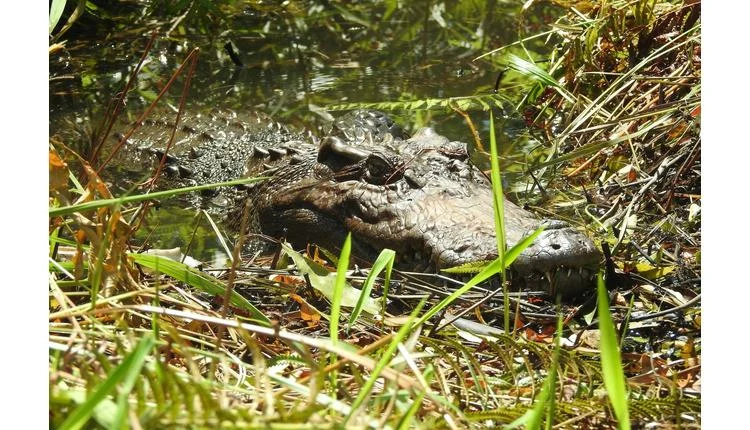
The Wildlife Conservation Society (WCS) has revealed that community-led conservation initiatives in central Laos are successfully reviving the critically endangered Siamese crocodile population. The findings, published in the *Newsletter of the Crocodile Specialist Group*, highlight the role of local stewardship and long-term protection in the Xe Champhone wetland ecosystem, a crucial habitat for these crocodiles.
Siamese crocodiles, once widespread across Southeast Asia, have faced severe declines due to habitat loss, hunting, and egg collection, with fewer than 1,000 adults remaining in the wild. Since 2011, WCS and government partners have collaborated with local communities to reverse this trend. Steven Platt, a WCS conservation scientist, emphasised the importance of integrating local knowledge and cultural values with scientific monitoring, stating, “Recovery is possible—even for species on the edge of extinction.”
The programme's success is largely attributed to Village Conservation Teams, which monitor nests, protect eggs, and assist with incubation and release efforts. Santi Saypanya, WCS Laos Programme Director, noted that these teams leverage cultural beliefs that view crocodiles as spiritual guardians, fostering strong incentives for their protection.
Since 2019, hundreds of head-started Siamese crocodiles have been released into the wetlands, with more being prepared for future release. Colin Poole, WCS Greater Mekong Regional Director, remarked on the broader significance of this work, highlighting its positive impact on wetland conservation and local livelihoods. The recovery of Siamese crocodiles serves as a beacon of hope amidst global biodiversity challenges.
```




