Global tourism industry pivots to halal services as Muslim middle class expands

Travel Daily Media

TDM AWARDS - NOMINATE NOW!

Global tourism industry pivots to halal services as Muslim middle class expands

Halal Travel Goes Mainstream: How Tour Operators Are Adapting to a Growing Market

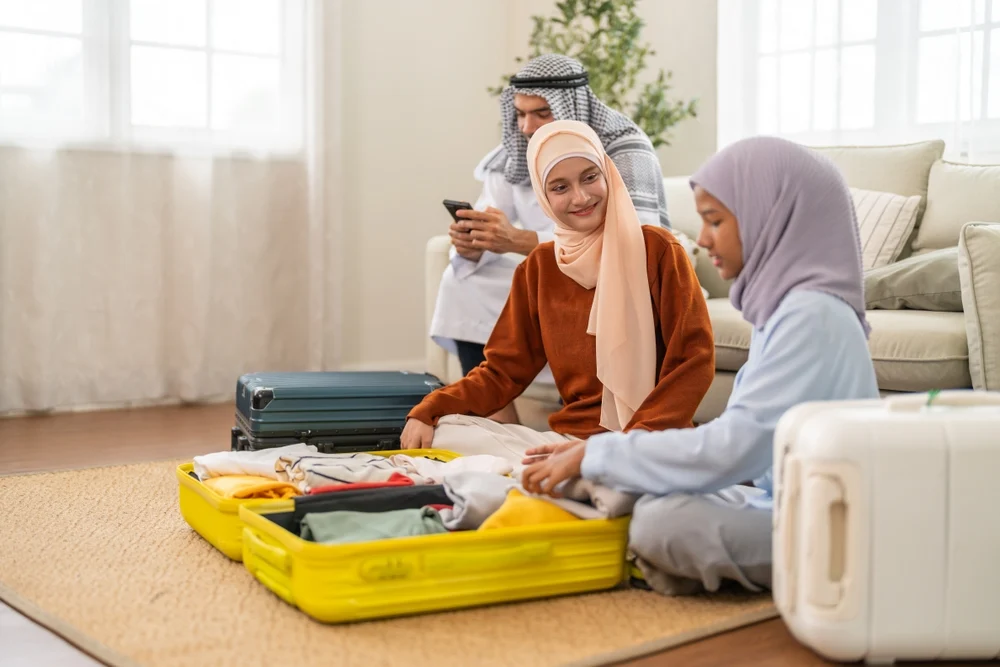
Muslim family preparing luggage for travel trip packing clothes into suitcase for international,


The global halal economy is valued at more than US$2 trillion and is projected to reach US$2.8 trillion in the coming years, presenting growing opportunities well beyond Muslim-majority countries. Tourism is an increasingly important part of this expansion, as destinations and operators respond to rising demand for travel experiences that align with Islamic values.
Halal tourism refers to a specialised segment of the travel industry designed to meet the faith-based needs of Muslim travellers. While halal is often associated with food, in a tourism context it represents a broader lifestyle approach that shapes the entire travel experience โ€” from accommodation and leisure activities to the overall environment.

Young Muslim Asian women wearing headscarves or hijabs enjoy halal food at a Chinese restaurant

For Muslim travellers, halal-friendly travel typically includes dependable access to halal dining, clearly designated prayer spaces such as mosques or prayer rooms, and practical facilities like water access in restrooms for wudu (ablution). In some destinations, it also extends to gender-sensitive leisure options, such as women-only swimming hours or family-friendly beaches, reflecting cultural expectations around privacy and modesty.

Just as important is the surrounding environment. Halal tourism seeks to minimise exposure to activities considered incompatible with Islamic teachings, including alcohol-centric venues, gambling, or certain forms of entertainment. The goal is not restriction, but reassurance โ€” allowing travellers to explore confidently without constantly negotiating their religious or cultural boundaries.
This demand is growing rapidly. Nearly 70 per cent of the global Muslim population is under the age of 40, a young, mobile demographic with a strong appetite for travel and discovery. Combined with the expansion of the Muslim middle class and rising disposable incomes, this has translated into increased international travel and heightened expectations for halal-conscious services.

Portrait Of Happy Muslim Couple With Passports And Tickets In Hands

Halal travel is no longer confined to pilgrimage or religious journeys. According to the Mastercardโ€“CrescentRating Global Muslim Travel Index, it has become one of the fastest-growing segments of global tourism, driven by younger travellers, women, and families seeking experiences that balance faith, culture, and modern travel preferences.
For tour operators, this growth brings both opportunity and responsibility. Successful operators are those who remove uncertainty by clearly communicating what is โ€” and is not โ€” available. Transparency around halal certification, prayer access, and realistic itineraries that account for prayer times or Ramadan observance has become essential. Rather than using โ€œhalalโ€ as a marketing label, leading operators are embedding Muslim-friendly considerations directly into tour design.

HALAL Food truck prepared by Muslim chefs is becoming rather popular in Malaysia

Religious tourism remains a cornerstone of the halal travel market, but it is also under increased scrutiny. In early 2025, Saudi Arabia suspended the licenses of 1,800 foreign Umrah travel agencies for failing to meet service standards, underscoring the importance of accuracy, reliability, and on-ground support in pilgrimage travel.
Beyond infrastructure, industry experts argue that training is critical. Reporting from Salaam Gateway highlights that many service failures stem from gaps in cultural understanding rather than lack of facilities. Tour guides and hotel staff trained in prayer etiquette, modesty norms, halal food handling, and Ramadan operations are better positioned to deliver seamless, respectful experiences.
Women and young Muslim travellers are also reshaping the market. CrescentRating research shows that these groups prioritise safety, flexibility, digital convenience, and experiences that feel meaningful rather than restrictive. Secure transport, optional women-only experiences, transparent pricing, and culturally immersive itineraries are increasingly influential in destination choice.

Two Muslim woman in Burkini swimwear at the Manukan Island beach in Kota Kinabalu, Sabah Borneo

Above all, authenticity has emerged as the new benchmark. Muslim travellers are seeking genuine cultural engagement that respects faith and dignity โ€” not superficial gestures branded as โ€œhalal-friendly.โ€ Community-led experiences, informed storytelling, and honest communication build trust in a market where word-of-mouth and social media play a powerful role.

As halal travel expands beyond pilgrimage into leisure, wellness, and adventure tourism, operators who invest in understanding โ€” not just accommodation โ€” will be best positioned to succeed in a market that values trust as much as experience.

Arab Woman Photographer in a scarf taking picture using Camera on the sunset background.

Join The Community

Join The Community

TDM

x Studio

Connect with your clients by working with our in-house brand studio, using our expertise and media reach to help you create and craft your message in video and podcast, native content and whitepapers, webinars and event formats.

Global tourism industry pivots to halal services as Muslim middle class expands

Halal Travel Goes Mainstream: How Tour Operators Are Adapting to a Growing Market

Muslim family preparing luggage for travel trip packing clothes into suitcase for international,


The global halal economy is valued at more than US$2 trillion and is projected to reach US$2.8 trillion in the coming years, presenting growing opportunities well beyond Muslim-majority countries. Tourism is an increasingly important part of this expansion, as destinations and operators respond to rising demand for travel experiences that align with Islamic values.
Halal tourism refers to a specialised segment of the travel industry designed to meet the faith-based needs of Muslim travellers. While halal is often associated with food, in a tourism context it represents a broader lifestyle approach that shapes the entire travel experience โ€” from accommodation and leisure activities to the overall environment.

Young Muslim Asian women wearing headscarves or hijabs enjoy halal food at a Chinese restaurant

For Muslim travellers, halal-friendly travel typically includes dependable access to halal dining, clearly designated prayer spaces such as mosques or prayer rooms, and practical facilities like water access in restrooms for wudu (ablution). In some destinations, it also extends to gender-sensitive leisure options, such as women-only swimming hours or family-friendly beaches, reflecting cultural expectations around privacy and modesty.

Just as important is the surrounding environment. Halal tourism seeks to minimise exposure to activities considered incompatible with Islamic teachings, including alcohol-centric venues, gambling, or certain forms of entertainment. The goal is not restriction, but reassurance โ€” allowing travellers to explore confidently without constantly negotiating their religious or cultural boundaries.
This demand is growing rapidly. Nearly 70 per cent of the global Muslim population is under the age of 40, a young, mobile demographic with a strong appetite for travel and discovery. Combined with the expansion of the Muslim middle class and rising disposable incomes, this has translated into increased international travel and heightened expectations for halal-conscious services.

Portrait Of Happy Muslim Couple With Passports And Tickets In Hands

Halal travel is no longer confined to pilgrimage or religious journeys. According to the Mastercardโ€“CrescentRating Global Muslim Travel Index, it has become one of the fastest-growing segments of global tourism, driven by younger travellers, women, and families seeking experiences that balance faith, culture, and modern travel preferences.
For tour operators, this growth brings both opportunity and responsibility. Successful operators are those who remove uncertainty by clearly communicating what is โ€” and is not โ€” available. Transparency around halal certification, prayer access, and realistic itineraries that account for prayer times or Ramadan observance has become essential. Rather than using โ€œhalalโ€ as a marketing label, leading operators are embedding Muslim-friendly considerations directly into tour design.

HALAL Food truck prepared by Muslim chefs is becoming rather popular in Malaysia

Religious tourism remains a cornerstone of the halal travel market, but it is also under increased scrutiny. In early 2025, Saudi Arabia suspended the licenses of 1,800 foreign Umrah travel agencies for failing to meet service standards, underscoring the importance of accuracy, reliability, and on-ground support in pilgrimage travel.
Beyond infrastructure, industry experts argue that training is critical. Reporting from Salaam Gateway highlights that many service failures stem from gaps in cultural understanding rather than lack of facilities. Tour guides and hotel staff trained in prayer etiquette, modesty norms, halal food handling, and Ramadan operations are better positioned to deliver seamless, respectful experiences.
Women and young Muslim travellers are also reshaping the market. CrescentRating research shows that these groups prioritise safety, flexibility, digital convenience, and experiences that feel meaningful rather than restrictive. Secure transport, optional women-only experiences, transparent pricing, and culturally immersive itineraries are increasingly influential in destination choice.

Two Muslim woman in Burkini swimwear at the Manukan Island beach in Kota Kinabalu, Sabah Borneo

Above all, authenticity has emerged as the new benchmark. Muslim travellers are seeking genuine cultural engagement that respects faith and dignity โ€” not superficial gestures branded as โ€œhalal-friendly.โ€ Community-led experiences, informed storytelling, and honest communication build trust in a market where word-of-mouth and social media play a powerful role.

As halal travel expands beyond pilgrimage into leisure, wellness, and adventure tourism, operators who invest in understanding โ€” not just accommodation โ€” will be best positioned to succeed in a market that values trust as much as experience.

Arab Woman Photographer in a scarf taking picture using Camera on the sunset background.

Join The Community

Stay Connected

Facebook

101K

Twitter

3.9K

Instagram

1.7K

LinkedIn

19.9K

YouTube

0.2K

TDM

x Studio

Connect with your clients by working with our in-house brand studio, using our expertise and media reach to help you create and craft your message in video and podcast, native content and whitepapers, webinars and event formats.

Scroll to Top