Travellers face longer wait times as Europe rolls out new digital border checks

Travel Daily Media

TDM AWARDS - NOMINATE NOW!

Travellers face longer wait times as Europe rolls out new digital border checks

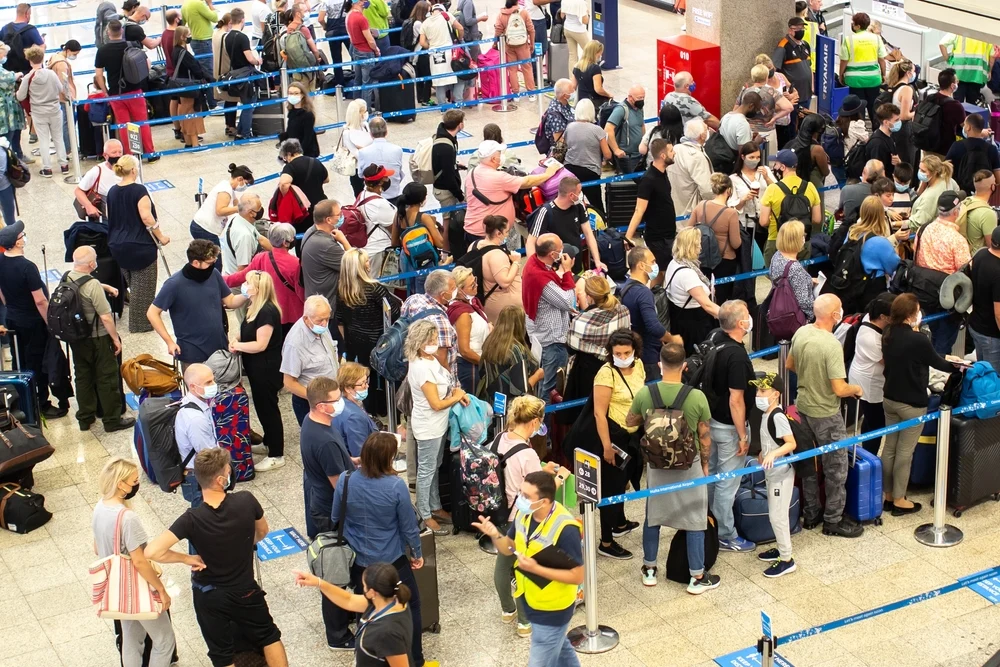
People lining up to check-in counters at the Luqa airport in Malta.

What Steps Can Passengers Take to Avoid Queues Caused by the Entry/Exit System (EES)?

As the EU’s Entry/Exit System (EES) is introduced, queues at borders are a real concern — especially during peak travel periods. While authorities must retain flexibility in how EES is rolled out and operated, passengers can also take practical steps to reduce delays and help the system run smoothly.

  1. Complete Pre-Travel Checks Early

Passengers should ensure passports are valid, biometric details are correct, and travel documents meet entry requirements well before departure. Small issues that were once resolved quickly at the border may now cause longer delays under EES, so early checks reduce the risk of being held up.

  1. Arrive Earlier Than Usual at Border Points

During the initial and transitional phases of EES implementation, processing times may fluctuate. Allowing extra time — particularly at busy airports, ferry terminals, and rail crossings — helps passengers avoid stress and reduces pressure on border staff while the system adapts to real-world conditions.

  1. Use Digital Tools and Information Channels

Passengers should actively use airline, airport, and official EU information platforms to stay updated on EES procedures. Real-time guidance and digital pre-registration tools, where available, can help travellers prepare properly and avoid unnecessary queues caused by misunderstandings or incomplete data.

  1. Travel Outside Peak Periods Where Possible

EES performance will vary depending on travel volumes. Choosing off-peak travel times can significantly reduce waiting times and supports a more balanced system load. This flexibility in passenger behaviour complements the need for authorities to adapt EES operations based on real-time demand.

  1. Follow Border Staff Guidance Patiently

A flexible EES rollout relies on frontline officers being able to adjust processes as challenges emerge. Passengers who follow instructions, remain patient, and cooperate with evolving procedures help maintain efficiency and protect the EU’s image as a welcoming and well-managed travel destination.



Join The Community

Join The Community

TDM

x Studio

Connect with your clients by working with our in-house brand studio, using our expertise and media reach to help you create and craft your message in video and podcast, native content and whitepapers, webinars and event formats.

Travellers face longer wait times as Europe rolls out new digital border checks

People lining up to check-in counters at the Luqa airport in Malta.

What Steps Can Passengers Take to Avoid Queues Caused by the Entry/Exit System (EES)?

As the EU’s Entry/Exit System (EES) is introduced, queues at borders are a real concern — especially during peak travel periods. While authorities must retain flexibility in how EES is rolled out and operated, passengers can also take practical steps to reduce delays and help the system run smoothly.

  1. Complete Pre-Travel Checks Early

Passengers should ensure passports are valid, biometric details are correct, and travel documents meet entry requirements well before departure. Small issues that were once resolved quickly at the border may now cause longer delays under EES, so early checks reduce the risk of being held up.

  1. Arrive Earlier Than Usual at Border Points

During the initial and transitional phases of EES implementation, processing times may fluctuate. Allowing extra time — particularly at busy airports, ferry terminals, and rail crossings — helps passengers avoid stress and reduces pressure on border staff while the system adapts to real-world conditions.

  1. Use Digital Tools and Information Channels

Passengers should actively use airline, airport, and official EU information platforms to stay updated on EES procedures. Real-time guidance and digital pre-registration tools, where available, can help travellers prepare properly and avoid unnecessary queues caused by misunderstandings or incomplete data.

  1. Travel Outside Peak Periods Where Possible

EES performance will vary depending on travel volumes. Choosing off-peak travel times can significantly reduce waiting times and supports a more balanced system load. This flexibility in passenger behaviour complements the need for authorities to adapt EES operations based on real-time demand.

  1. Follow Border Staff Guidance Patiently

A flexible EES rollout relies on frontline officers being able to adjust processes as challenges emerge. Passengers who follow instructions, remain patient, and cooperate with evolving procedures help maintain efficiency and protect the EU’s image as a welcoming and well-managed travel destination.


Join The Community

Stay Connected

Facebook

101K

Twitter

3.9K

Instagram

1.7K

LinkedIn

19.9K

YouTube

0.2K

TDM

x Studio

Connect with your clients by working with our in-house brand studio, using our expertise and media reach to help you create and craft your message in video and podcast, native content and whitepapers, webinars and event formats.

Scroll to Top


