Ras Al Khaimah shifts to ecotourism as UAE neighbors focus on ultra-luxury

Travel Daily Media

TDM AWARDS - NOMINATE NOW!

Ras Al Khaimah shifts to ecotourism as UAE neighbors focus on ultra-luxury

The emirate could change the game for tourism in the region as it is poised to step things up for foreign travellers

Mention the name Ras Al Khaimah and most people will draw a blank, completely unaware of this state within the United Arab Emirates.

One of the seven states making up the country, Ras Al-Khaimah (often referred to by its abbreviation RAK) tends to be in the background when the emirates of Abu Dhabi and Dubai come to the fore as the nation’s leading destinations.

But this could change soon enough: experts see RAK as a destination with a great deal of potential, not just for the Middle East, but for the rest of the Asia Pacific.

As a recent Xinhua interview with Ras Al Khaimah Tourism Development Authority (RAKTDA) chief executive Philippa Harrison pointed out, the emirate is currently working on boosting inbound tourism with the goal of tripling visitor numbers by 2030.

In today’s feature, we take a closer look at the aces in RAK’s hands with regard to its potential as a destination of choice, covering the bases when it comes to adventure tourism, luxury travel, and ecotourism.
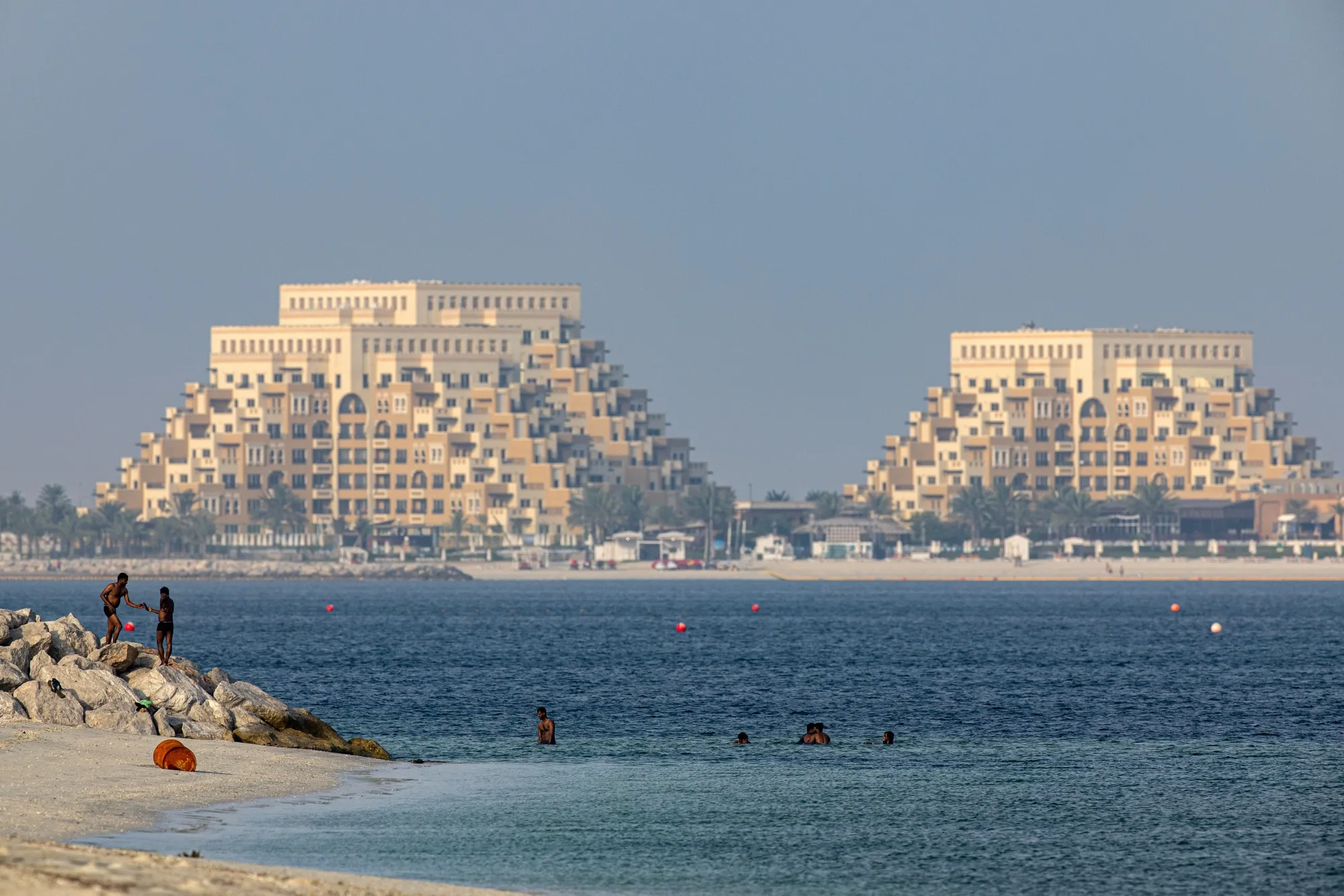
Ras Al Khaimah by the numbers

To understand what exactly is driving RAK’s tourism authorities to raise the emirate’s profile as a tourist destination, we need to see how well the state’s tourism sector performed in the past year.

As of end-2025, Ras Al Khaimah welcomed a total of 1.35 million visitors, significantly higher than the total reported at the end of 2024.

Likewise, tourism revenue was up 12 percent from 2024, spurred on by MICE tourism and a year-on-year increase of 25 percent for events staged within the state.

Harrison likewise pointed out that the tourism sector enjoys the support of the state government which plans to diversify the area’s hospitality offerings through signings with global brands and doubling the current inventory of 8,700 hotel keys before the end of the decade.

It should be noted, however, that tourism only contributes five percent of Ras Al Khaima’s annual gross domestic product (GDP), something that the authorities seek to raise to 25 percent before 2030.

While Russia and the United Kingdom are currently RAK's biggest source markets, RAKTDA is in the process of ramping up promotions to draw in travellers from China, India, and the rest of the Asia Pacific, particularly those seeking an alternative to better-known but increasingly crowded luxury destinations.
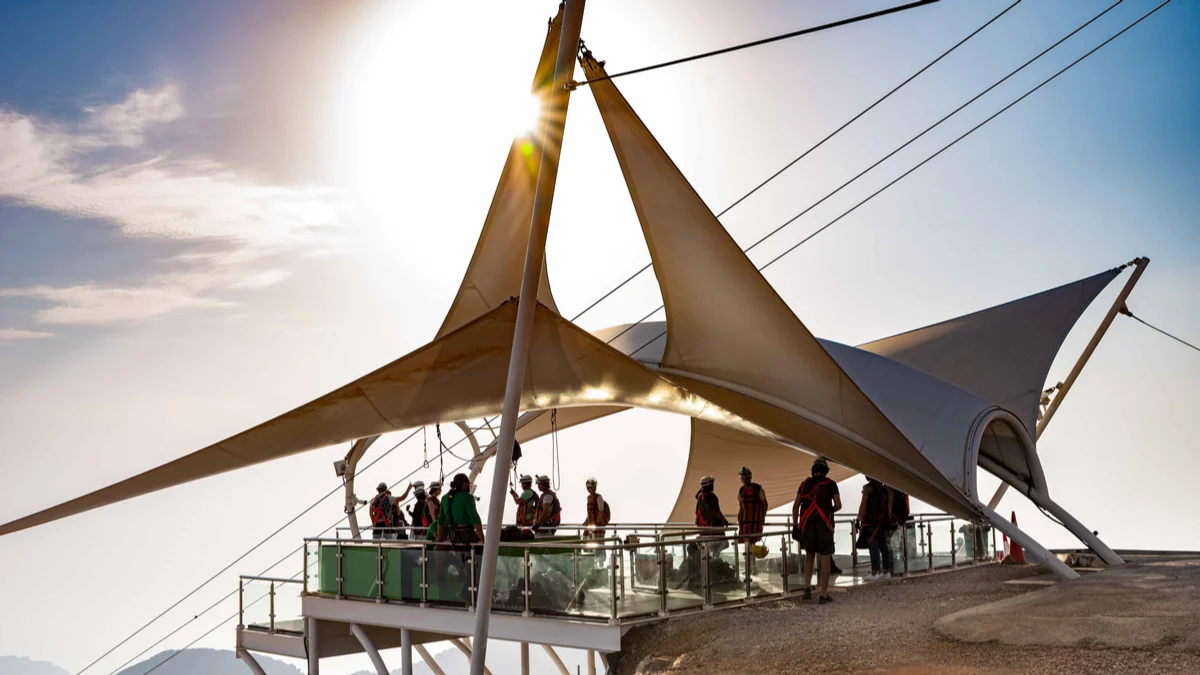
What Ras Al Khaimah has going for it

For the most part, those who travel to Ras Al Khaimah are those on the look out for unique experiences that also offer a touch of serenity and relaxation often absent from major destinations.

It should also be noted that, unlike Dubai and Abu Dhabi which primarily focus on ultra-luxury, RAK prides itself on being the Nature Emirate.

According to RAKTDA vice-president for destination tourism development Iyad Rasbey: “We call ourselves the ‘Nature Emirate’ because we have pristine beaches, vast desert dunes, lush mangroves, and the majestic Hajar Mountains, all within a very short distance. That allows us to offer experiences that you can’t find anywhere else, [and] we truly have a unique landscape that sets us apart, as does our history. We have 7,000 years of continuous human settlement, which is pretty remarkable. That deep cultural heritage is evident in our archaeological sites and traditional villages, which we’re proud of and are committed to preserving and celebrating.”

It should also be noted that four sites in RAK are currently on the UNESCO World Heritage Tentative List and state authorities are working to conserve the area’s cultural and historical sites to offer guests a truly immersive experience rooted in the traditions of Arabian hospitality.

Furthermore, RAK is the first area anywhere in the Middle East to merit EarthCheck’s Silver Certification as the state’s tourism programmes adhere to the environment, social, and governance (ESG) practices aligned with the United Nations’ 17 Sustainable Development Goals (SDGs).

Rasbey also pointed out the state’s successful initiatives for reduced energy consumption, greenhouse gas emissions, and waste output.

Indeed, the Responsible RAK programme for hospitality and tourism continues to encourage hotels, tour operators, and transportation providers to earn certification for sustainable practices throughout their operations.

Join The Community

Join The Community

TDM

x Studio

Connect with your clients by working with our in-house brand studio, using our expertise and media reach to help you create and craft your message in video and podcast, native content and whitepapers, webinars and event formats.

Ras Al Khaimah shifts to ecotourism as UAE neighbors focus on ultra-luxury

The emirate could change the game for tourism in the region as it is poised to step things up for foreign travellers

Mention the name Ras Al Khaimah and most people will draw a blank, completely unaware of this state within the United Arab Emirates.

One of the seven states making up the country, Ras Al-Khaimah (often referred to by its abbreviation RAK) tends to be in the background when the emirates of Abu Dhabi and Dubai come to the fore as the nation’s leading destinations.

But this could change soon enough: experts see RAK as a destination with a great deal of potential, not just for the Middle East, but for the rest of the Asia Pacific.

As a recent Xinhua interview with Ras Al Khaimah Tourism Development Authority (RAKTDA) chief executive Philippa Harrison pointed out, the emirate is currently working on boosting inbound tourism with the goal of tripling visitor numbers by 2030.

In today’s feature, we take a closer look at the aces in RAK’s hands with regard to its potential as a destination of choice, covering the bases when it comes to adventure tourism, luxury travel, and ecotourism.

Ras Al Khaimah by the numbers

To understand what exactly is driving RAK’s tourism authorities to raise the emirate’s profile as a tourist destination, we need to see how well the state’s tourism sector performed in the past year.

As of end-2025, Ras Al Khaimah welcomed a total of 1.35 million visitors, significantly higher than the total reported at the end of 2024.

Likewise, tourism revenue was up 12 percent from 2024, spurred on by MICE tourism and a year-on-year increase of 25 percent for events staged within the state.

Harrison likewise pointed out that the tourism sector enjoys the support of the state government which plans to diversify the area’s hospitality offerings through signings with global brands and doubling the current inventory of 8,700 hotel keys before the end of the decade.

It should be noted, however, that tourism only contributes five percent of Ras Al Khaima’s annual gross domestic product (GDP), something that the authorities seek to raise to 25 percent before 2030.

While Russia and the United Kingdom are currently RAK's biggest source markets, RAKTDA is in the process of ramping up promotions to draw in travellers from China, India, and the rest of the Asia Pacific, particularly those seeking an alternative to better-known but increasingly crowded luxury destinations.

What Ras Al Khaimah has going for it

For the most part, those who travel to Ras Al Khaimah are those on the look out for unique experiences that also offer a touch of serenity and relaxation often absent from major destinations.

It should also be noted that, unlike Dubai and Abu Dhabi which primarily focus on ultra-luxury, RAK prides itself on being the Nature Emirate.

According to RAKTDA vice-president for destination tourism development Iyad Rasbey: “We call ourselves the ‘Nature Emirate’ because we have pristine beaches, vast desert dunes, lush mangroves, and the majestic Hajar Mountains, all within a very short distance. That allows us to offer experiences that you can’t find anywhere else, [and] we truly have a unique landscape that sets us apart, as does our history. We have 7,000 years of continuous human settlement, which is pretty remarkable. That deep cultural heritage is evident in our archaeological sites and traditional villages, which we’re proud of and are committed to preserving and celebrating.”

It should also be noted that four sites in RAK are currently on the UNESCO World Heritage Tentative List and state authorities are working to conserve the area’s cultural and historical sites to offer guests a truly immersive experience rooted in the traditions of Arabian hospitality.

Furthermore, RAK is the first area anywhere in the Middle East to merit EarthCheck’s Silver Certification as the state’s tourism programmes adhere to the environment, social, and governance (ESG) practices aligned with the United Nations’ 17 Sustainable Development Goals (SDGs).

Rasbey also pointed out the state’s successful initiatives for reduced energy consumption, greenhouse gas emissions, and waste output.

Indeed, the Responsible RAK programme for hospitality and tourism continues to encourage hotels, tour operators, and transportation providers to earn certification for sustainable practices throughout their operations.

Join The Community

Stay Connected

Facebook

101K

Twitter

3.9K

Instagram

1.7K

LinkedIn

19.9K

YouTube

0.2K

TDM

x Studio

Connect with your clients by working with our in-house brand studio, using our expertise and media reach to help you create and craft your message in video and podcast, native content and whitepapers, webinars and event formats.

Scroll to Top


