In the Gulf’s B2B travel sector, contracts may be signed in boardrooms — but they are built in relationships. Across the UAE, Saudi Arabia and the wider GCC, 70% to 80% of enterprise buying decisions are heavily influenced by personal relationships. More than 60% of B2B buyers prefer to work with someone they know, even when competitors offer sharper pricing or additional features.
For the travel trade, this insight is not anecdotal — it is commercial reality.
The Majlis Effect on Business
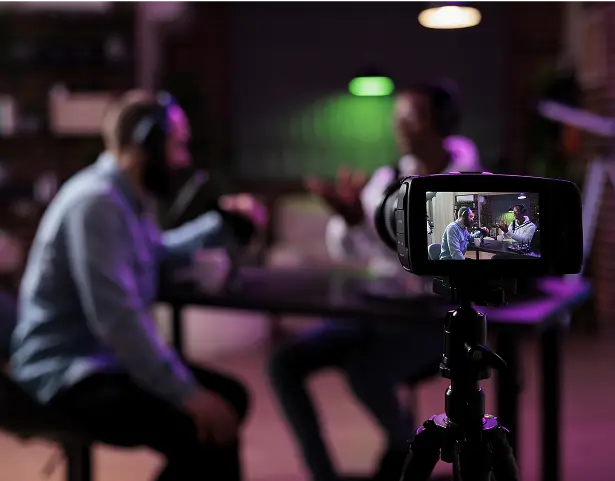
To understand how travel deals are won in the Gulf, one must understand the cultural framework behind them. The majlis — the traditional sitting room — is more than a social space. It is the beating heart of community dialogue, decision-making and trust-building.
Arabic hospitality is intentionally unhurried. Meetings are rarely rushed. Invitations are often framed between prayer times rather than strict clock hours. The purpose is to create a calm environment that encourages perspective and meaningful conversation.
It is perhaps why the majlis is inscribed by Unesco as part of the intangible cultural heritage of the Arab world. It represents a societal commitment to dialogue, connection and tolerance — principles that deeply influence how business is conducted.
In travel trade terms, this means partnerships are evaluated not just on yield, availability or distribution strength — but on familiarity, reputation and long-term presence in the market.

Why Relationship Selling Wins in Travel
Relationship selling — a customer-centric approach focused on long-term engagement rather than quick transactions — aligns perfectly with Gulf business culture.
In an era where global travel distribution is increasingly automated, AI-driven and price-sensitive, the Gulf stands apart. Technology supports efficiency, but it does not replace trust. Sales professionals who invest in authentic engagement consistently outperform those who rely solely on digital tools.
For travel suppliers — airlines, DMCs, hotel groups, technology providers — success in the GCC often depends on:
- Face-to-face market visits
- Consistent in-destination representation
- Regular trade engagement events
- Executive-level accessibility
- Long-term commitment beyond seasonal contracts
In many cases, the strength of the relationship determines preferred partner status more than marginal pricing differences.

Trust as Commercial Currency
In the Gulf travel ecosystem — where family-owned conglomerates, government entities and large regional groups play dominant roles — relationships reduce perceived risk.
A known partner is viewed as reliable. A familiar face signals accountability. A consistent presence demonstrates commitment.
For outbound travel partnerships, corporate travel management and MICE contracts in particular, decision-makers often prioritise long-term alignment over short-term savings. Trust becomes commercial currency.
Capturing the Gulf B2B Travel Market: Five Relationship-Driven Strategies
To successfully penetrate and grow within the Gulf’s B2B travel trade market, companies must adopt a relationship-first strategy: invest in consistent in-market presence rather than relying solely on remote selling; build senior-level connections as decision-making often sits at the top; leverage introductions and referrals to accelerate trust-building; align proposals with long-term partnership value rather than transactional discounts; and maintain culturally aware, personalised follow-up that reinforces reliability and respect. In the GCC, sustainable growth is earned through patience, presence and performance.
The Competitive Advantage
As AI transforms global sales strategies, the Gulf travel market serves as a reminder that human capital remains decisive. Automation may streamline operations, but it cannot replicate sincerity, cultural fluency or shared history.
Breaking bread and business is not symbolic — it is strategic. For B2B travel trade professionals, the lesson is clear: in the Gulf, relationships are not a soft skill. They are the sales strategy.