Given current circumstances, it isn’t surprising that much of the action in terms of travel and tourism for this year is skewing towards Asia, particularly where business travel is concerned.
A couple of weeks ago, we had the privilege of covering the 2026 GBTA APAC Conference wherein it was pointed out that the sector is rapidly evolving in Asia…and the rest of the world needs to keep up.
Based on discussions at the Conference, at our own Travel Daily Media Global Summit in Bangkok last month, as well as other industry events throughout the Asia Pacific, the world has a great deal to learn from its Asian peers when it comes to boosting business travel in the face of challenging times.
Key learnings have been condensed into three fundamental concepts that we will delineate in this feature, and these specifically deal with interpersonal relationship building, leveraging the use of technology, as well as the bleisure trend that is sweeping the global travel scene.
Meeting face to face still matters
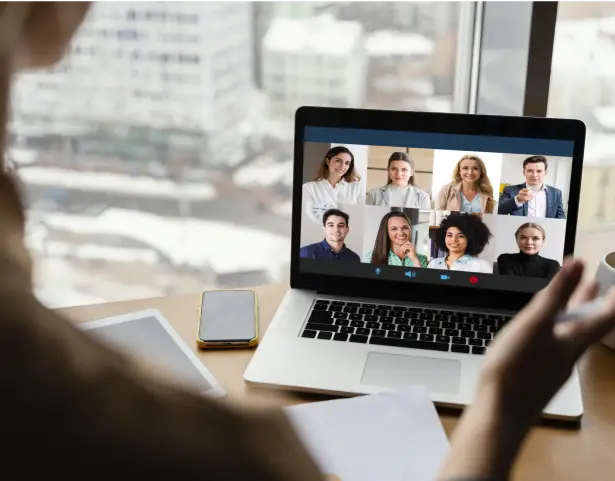
Business travel is one of the sectors that was hit hardest during the pandemic as global restrictions prevented in-person meetings, driving the world to depend on communication platforms such as Microsoft Teams and Slack, as well as conferencing platforms like Zoom.
While much of the western world continues to embrace the virtual conference, their counterparts in Asia welcomed the reopening of the world to reestablish ties with clients and colleagues in person.
This is cultural, as most Asian nations put great value on establishing close relationships in and out of work to ensure good communication and foster trust among involved parties.
Indeed, much like business travellers from East Asia, the rest of the world needs to recognise that in-person gatherings still have more impact than any teleconference will have on one's business.
After all, to quote GBTA chief executive Suzanne Neufang: “During the pandemic, folks like Bill Gates were predicting that internal travel would go away. Internal company travel would completely end thanks to all of this great virtual technology that was being put out. Thankfully, that prediction did not come to pass. In fact, internal travel is at least one of the top two or three reasons why companies still send their people on the road.”
Apps make everything easier in Asia
The thing about the Asian travel scene is that it has more than cottoned on to the benefits of using super-apps.
In Southeast Asia, there’s Air Asia’s MOVE which enables travellers to do everything from flight booking to choosing attractions to visit; and Grab has expanded its capabilities to include hotel and restaurant booking on top of its signature ride-hailing and food delivery services.
In Mainland China and its special autonomous regions, Alipay is more than just another payment solution, but an all-in-one application that can be used to purchase train tickets, hail rides, and even do translations for travellers having trouble with local communication.
These applications were specifically created for a regional market where digital convenience and autonomy are a way of life, and such tools make everything from booking to monitoring easier for business travel managers.
Those on the other side of the world can learn significantly from this, particularly with regard to the implementation of spending visibility tools which ensure compliance with company travel rules whilst giving individual travellers optimal flexibility.
Blurring the lines between business and leisure
While blended trips, those where rest and relaxation follow business or vice versa, have almost always been a given, these have become more common in recent years.
Thanks to digital nomads and younger working travellers, Asian travel policies have become more flexible and agile, enabling employees to extend business trips to ensure personal recreation or add more quality time with the family.
In doing so, Asian business travellers come back to work with greater satisfaction than just the knowledge of a mission accomplished; at the same time, companies are able to maximise returns on what they spent for travel.
As we stated in a previous feature, it’s a great perk for business travellers who run through several meetings in one trip as it enables them to refresh themselves before they head back to report and return to business as usual.