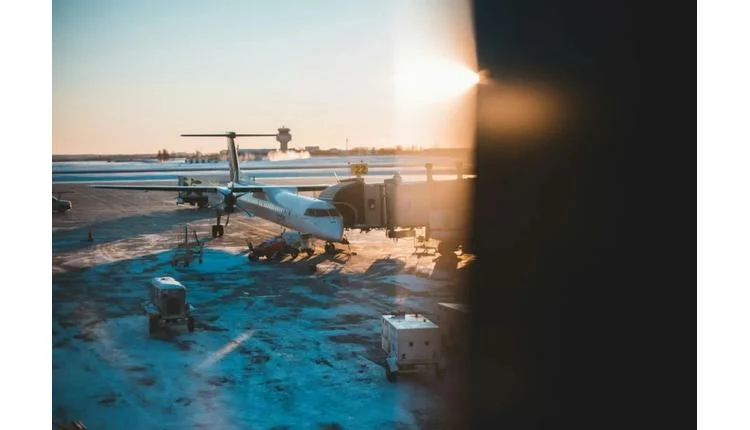
Aeroplane de-icing is a crucial process that ensures flight safety during winter, yet it remains largely unnoticed by passengers. Chapman Freeborn, a global aircraft charter specialist, highlights the importance of this procedure, which is essential for maintaining the aerodynamic efficiency of aeroplane wings and preventing ice-related issues with sensors and engines. According to Luca Zinnemann, Team Leader – Private & Commercial Jets DACH at Chapman Freeborn, de-icing is performed before many flights worldwide in winter, though few travellers understand its significance.
Ice accumulation on aeroplanes can disrupt airflow over the wings, reducing lift and increasing drag. It can also affect sensors, leading to incorrect data on speed and altitude, and potentially impact engine performance. Surprisingly, ice can form even when temperatures are above freezing, due to high humidity and specific atmospheric conditions.
The de-icing process involves assessing weather conditions and deciding on the appropriate method. In mild conditions, heated de-icing fluid is used to remove ice and provide temporary protection. In severe conditions, a two-step method is employed, using a second fluid to prevent re-icing. Timing is critical to ensure effectiveness without causing delays.
De-icing costs, typically ranging from $530 to $8,480 (EUR 500 to 8,000) depending on aeroplane size and weather conditions, are absorbed by airlines in commercial aviation but billed separately in private charters. Chapman Freeborn advises clients on potential de-icing needs and costs during the planning phase, ensuring transparency and safety.
De-icing is a testament to the aviation industry's commitment to safety, with protocols refined over decades to ensure reliable operations in all seasons. Chapman Freeborn collaborates closely with ground teams and airports to maintain these standards
This story was selected and published by a human editor, with content adapted from original press material using AI tools. Spot an error? Report it here.