


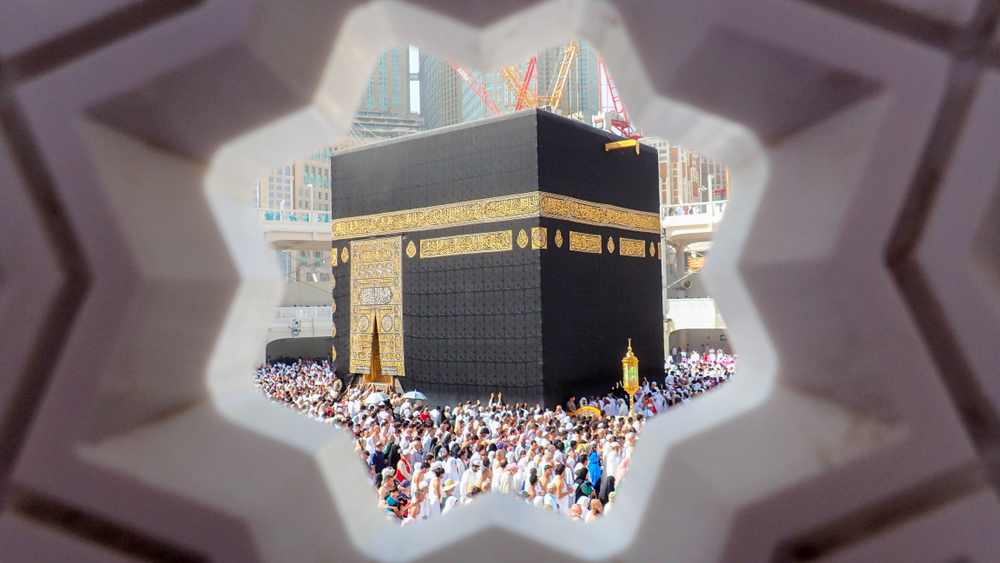
The pilgrimage, scheduled to take place in Saudi Arabia from 26 June to 1 July, is anticipated to draw two million participants. It is expected that the number of pilgrims travelling to Saudi Arabia will resume to its pre-pandemic levels as restrictions on age and travel are lifted. The nation has established operational procedures to handle the increased number of travellers entering the Kingdom. As this year’s Hajj season occurs during the summer, pilgrims can expect to deal with the high summer temperatures and humidity. Therefore, International SOS recommends that organisations encourage their workforce to take the relevant precautions in order to have a safe and healthy Hajj.
Dr Marie Louise Van-Eck, Regional Medical Director at International SOS in Dubai, advises, “Our bodies are naturally designed to maintain a constant temperature of around 37°C (98.6°F). The body automatically balances heat gain and loss; however, if it is unable to effectively cool down, the inner “core” temperature can rise to dangerous levels. This leads to the breakdown of bodily systems. Anyone can be overcome by heat, even people who are fit and healthy. Certain individuals are at higher risk than others, such as young children/babies, pregnant/nursing mothers, the elderly and those with medical conditions, so keeping a close eye on these individuals is important.
The great news is that we can prevent heat-related illnesses. To combat the challenges of extreme heat during the hot season, it is important for pilgrims to maintain proper hydration by drinking plenty of water. It is advisable to avoid excessive consumption of caffeine and sugary drinks as they contribute to dehydration. Wearing suitable attire, such as loose-fitting, lightweight, and preferably light-coloured clothing enables the body to breathe and stay cool. Pilgrims should not forget to protect their head and face with a hat or an umbrella and reapply sunscreen frequently. It is advised to take regular breaks to rest in cool shaded areas and avoid direct exposure to the sun, especially during peak hours between 10 AM- 4 PM. Pilgrims should remember to listen to their bodies and to not overexert themselves. Lastly, it is essential for pilgrims to comply with all health regulations and be mindful of prevalent diseases, such as Middle East Respiratory Syndrome Coronavirus (MERS-CoV), by practising good hygiene.”
Udit Mehta, Executive Vice President at International SOS, said,“Ensuring compliance to all directives issued by local authorities in Saudi Arabia as well as home country government officials is critical for pilgrims undertaking Hajj. All appropriate approvals should be sought ahead of departure and the use of a trusted provider experienced in facilitating pilgrimage tours is highly recommended. Religious congregations like the Hajj are typically accompanied by large crowds which can pose peculiar challenges that necessitate mitigation measures. There are likely to be heightened religious and cultural sensitivities during this period and those visiting Saudi Arabia for purposes other than participating in Hajj are advised to take note and ensure adherence to all local norms. Elevated levels of caution are advised especially in crowded areas and the need to adhere to all directives of government officials is reinforced. Visitors should also prepare for potential disruptions to travel and ensure flexible itineraries to manage through increased demands on infrastructure. Allowing for additional time to transit through airports across Saudi Arabia is critical in conjunction with general considerations for flexibility while visiting the country during this period.”
International SOS provides the following top advice for organisations and their workforce to ensure the health and safety of pilgrims during the hot season:
o Encourage employees to stay hydrated to avoid heatstroke. It is important to select safer food and beverages, such as using bottled water, washing fruits and vegetables thoroughly, ensuring thorough cooking of meat and avoiding non-pasteurised dairy items.
o Emphasise the importance of dressing appropriately by wearing loose, lightweight clothing made of natural fibres such as cotton or linen, which are cooler than synthetic materials. Advise the use of light-coloured clothes that reflect heat and recommend the use of wide-brimmed hats or umbrellas to protect against the sun.
o Highlight the need for rest and frequent breaks in cool places. Encourage individuals to listen to their bodies and avoid overexertion in hot weather. Remind individuals to protect their skin by applying sunscreen and applying it according to the manufacturer's instructions.
o Educate your employees about the symptoms of heat-related illnesses such as heat rash, heat cramps, heat syncope (heat collapse), heat exhaustion, and heat stroke. Emphasise the importance of taking these symptoms seriously and seeking medical attention if needed.
o Recommend the use of cool showers, baths, or sponging off with cool water to help lower body temperature and suggest the use of cool water sprays and fans to create a breeze and relieve the heat.
o Raise awareness about high-risk groups such as young children, elderly people, pregnant or nursing mothers, and those with underlying medical conditions or on medications who may be more susceptible to heat-related illnesses. Encourage extra precautions and monitor their well-being.
o If organisations are involved in conducting the pilgrimage, emphasise the importance of complying with instructions provided by Hajj operators. Inform individuals about the set times organised by Saudi Arabian authorities to minimise the potential for overcrowding. Advise pilgrims to be mindful of their belongings when moving through the crowds.
o Remind individuals to pay attention to people who may appear sick, to maintain distance, wash hands frequently, and avoid touching their faces.
Instruct pilgrims to avoid direct contact with animals, including camels, due to the potential presence of the Middle East Respiratory Syndrome Coronavirus (MERS-CoV) in camels and their products.
o Advise individuals to save emergency contacts on their mobile phones and ensure their phones are charged. Recommend including important contacts such as police, ambulance services, embassy, and local contacts.
o Encourage the workforce to monitor the situation and stay updated with the latest news and recommendations.
o Encourage pilgrims and travellers to familiarise themselves with the surroundings, including designated exits and to remain alert whilst in crowds. Individuals should be mindful of the valuables that they carry with them whilst in crowds.
o Stress the need for heightened caution regarding religious and cultural sensitivities, particularly on social media platforms. Remind employees to respect all local legal, religious, and cultural conventions at all times.
o Forewarn about the likelihood of tighter securityat transport hubs, increased traffic and congestion, as well as increased demand for various services, including transport and accommodation during the pilgrimage.




