Is Convening the New C in TMC?

Travel Daily Media

TDM AWARDS - NOMINATE NOW!

Is Convening the New C in TMC?

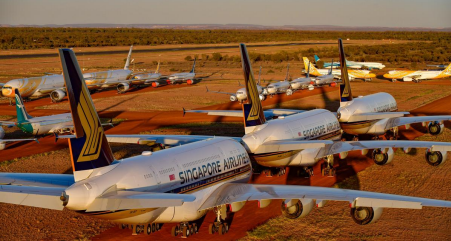
What were once empty spaces are now congested. As the skies begin to empty and fall silentย  in April 2020, desert storage facilities for aircraft are quickly carpeted with long streaks ofย  metal and carbon, decorated in the liveries of the worldโ€™s airlines. Facility managers boast theyย  can โ€˜walk you around the world in less than an hour.โ€™ย ย 

No region is untouched, no airline immune to the pandemic. By June 2020 two thirds of theย  worldโ€™s passenger fleet has been taken out of operational service and grounded. In a rareย  moment, airlines are no longer focused on keeping their planes up in the air but busy tryingย  to find space for them down on the ground. Hunting for space is a nightmare. Normal facilities,ย  desert storage or โ€˜boneyardsโ€™ are the first to fill, forcing lesser used regional airports to makeย  available their aprons and taxiways for aircraft parking. Yet, still more planes need to be accommodated. With little alternative the worldโ€™s once busiest airports convert their prime real estate into open air storage plots. Runaways, taxiways, and aprons are soon flooded withย  aircraft.ย ย 

โ€œSchiphol is packedโ€ KLM Community Manager Annemiek Cornielje told Time magazine. Sheย  continued โ€œNot with passengers, unfortunately, but with the many aircraft parked on the rampย  and even on a runway. Choreographing this is sad, and a parking-puzzle.โ€ Schiphol wasnโ€™tย alone. In Europe Frankfurt, Copenhagen, Paris, and Vienna were nose to tail in idle aircraft; inย  the US it was Pittsburgh and Tulsa and Atlanta and Phoenix and Houston and San Antonio. Inย  Asia, Seoul, Hong Kong, Sydney, Melbourne, Brisbane, and Delhi housed hundreds ofย  motionless aircraft between them.ย ย 

2020 was a watershed moment for travel. It was a rare occasion when all stakeholders wereย  simultaneously forced to re-assess and re-define the industry, and how it would function goingย  forward. Rules were re-written, priorities re-ordered, and its evolutionary trajectoryย  permanently altered. The impact of the pandemic was so dramatic on travel you sensed theย  response would be equally significant.ย ย 

Travel Management Companies (TMC) have been vocal about their response. Compelled toย  react to their clients new working practices, along with changes in traveller behaviours, TMCsย  are re-thinking their service offerings and re-engineering their operations. I am curious aboutย  how these initiatives might tell a bigger story of change, so I recently spoke with four TMCย  heavyweights. They shared their insights and priorities, and where they are placing their bigย  bets. While they are unanimous, the future looks promising, they differ on the best way ofย  getting there. They are presented in alphabetical order, so letโ€™s dig in.ย ย 


Rachel Tonge is Vice President SME Client Management EMEA at American Express Globalย  Business Travel (Amex GBT). She has been part of the Amex GBT line up for six years, and priorย  roles include General Manager UK and Director of Global Strategic Transformation. Beforeย  joining Amex GBT, Rachel cut her change management teeth at Accenture, with clients suchย  as Shell and Walt Disney. Rachel is well versed in the mechanics of big transformation, and sheย  brings these highly valuable skills and experiences to Amex GBT at a critical time.

It's a Wednesday afternoon and we speak via Zoom. Rachel begins by framing ourย  conversation: โ€œBusiness travel is playing a very central role in the post COVID modernย  workforce.โ€ Rachelโ€™s focus on workforce, rather than traveller, is illuminating and speaks toย  Amex GBTโ€™s ambitions to broaden its services, widen its appeal, and play a bigger role inย  supporting its clients. Rachel elaborates, outlining what Amex GBT see as the key areas ofย  change.ย ย 

Firstly, there is a change in traveller behaviour. There are fewer day trips but an increase in โ€œmeaningful travelโ€ where trips are more thought-out, more deliberate, and less last minute.ย  Itineraries are also more considerate of traveller wellbeing, with all aspects of the trip cateredย  for to remove as much trip related stress as possible. Historically, it has been the secondaryย  elements of the trip, transfers or on airport parking for example, that were overlooked andย  underserved. That is fast changing.ย ย 

Secondly, there is material uptick in smaller meetings and internal events as companiesย  navigate hybrid and remote working practices. With the physical office now less of a node inย  the network of inter and intra organisational relationships, companies are proactivelyย  orchestrating rapport building and team bonding experiences. As a result, โ€œthere is growingย  demand for Amex GBTโ€™s Meetings and Events (M&E) function.โ€ย ย 

Thirdly, sustainability is no longer an optional extra but a core element of the trip. Amex GBTย  has โ€œweaved green insights into the booking processโ€ to ensure clients and travellers areย  making informed choices. These insights include reporting on the โ€œend-to-end life cycle ofย  emissions and providing for both off-setting and in-setting initiatives.โ€ Amex GBT has alsoย  super charged its consulting team, who can work with clients to reduce travel related emissions.ย ย 

Amex GBT places its commitment to continuous improvement and operational excellence atย  the highest level of the organisation through a Transformation function intrinsically linked toย  the companyโ€™s strategy and business priorities.

Led by a Chief Transformation Officer, the function is dedicated to creating incremental valueย  at scale by โ€œdriving operational efficiencies, leading strategic initiatives, and enhancingย  organisational agility through change management.โ€ย 

Among current transformation priorities is Amex GBTโ€™s service optimisation program, whichย  is focused on delivering ongoing customer experience enhancements through technology,ย  data insights, and end-to-end process reengineering.ย 

The function also operates as an incubator for talent by attracting and developing high potential individuals of diverse backgrounds, who can deliver material impact while learningย  the business as they progress through the company.ย ย 

Rachel speaks frequently of the need for a โ€œseamless end-to-end service,โ€ and of theย  complexities in providing that service. Corporate travel is a complicated ecosystem,ย  comprising a wide range of data touchpoints across a range of technology platforms. Justย  consider the number of bespoke travel policies, negotiated fares and special rates, travellerย  profiles, disruption management reports, and Duty-of-Care reporting, and you have a senseย  of whatโ€™s involved.ย ย 

What โ€˜end-to-endโ€™ means is the million-dollar question. Amex GBT recognise they have movedย  beyond pure people logistics and expense management. They now provide services andย  expertise that more directly contribute to a clientโ€™s overall employee experience as well as their productivity.ย ย 

I ask Rachel whether the term travel management company is big enough for Amex GBTโ€™s ambitions.ย ย 

โ€œItโ€™s a really good question. Our focus is becoming a one stop shop, offering as big andย  diverse a marketplace as possible. Travel is now much more than a simple city-to-cityย  pairing. Itโ€™s about the logistics of people, it's about the trip from the moment the travellerย  steps out of their door, and how the trip fits into the travellerโ€™s overall employee experience.ย 

We support our clients through all of this with the largest and most valuable B2Bย  marketplace in travel," Rachel concludes.ย ย 


I join Jorge Cruz, a twenty-five-year veteran of BCD, the day after a strategy workshop involvingย  the companyโ€™s top leadership. Present for part of the meeting is Stephan Baars, BCDโ€™sย  incoming CEO. Baars will formally take up his role on July 1st but is already known to theย  company having worked at BCD previously.ย ย 

Jorge, Executive Vice President, Global Sales and Marketing, welcomes a โ€œsmooth leadershipย  transitionโ€ recognising they are all too rare in todayโ€™s operating environment. He is equallyย  upbeat about where the industry is heading, and what that means for BCD.ย ย 

BCD is a distinctive entity that remains understated and reserved despite its undisputableย  growth and success. It is a brand humbled by its accomplishments. Here is a company thatย  nurtures home grown talent, outgoing CEO John Snyder spent thirty years at the company. It has been voted โ€˜most admiredโ€™ travel management company a record ten times by readers ofย  travel publication The Beat, most recently in 2022. It signed the first-ever sustainable aviationย  fuel (SAF) agreement for a TMC. In 2023 it won its sixth gold Stevieยฎ Award for its TripSourceย  app, and was recognised as a standout company for taking the lead in achieving gender equityย  in the tech space by Women Impact Tech 100.ย ย 

Jorge graciously acknowledges the wins but steers the conversation back to BCDโ€™s foundingย  principle: customer satisfaction. It may sound quaint, but Jorgeโ€™s sincerity is both striking andย  refreshing in a hurried, digitally submerged world. Plus, it has served BCD well over the years,ย  creating a travel powerhouse.ย 

Jorge says BCD is maintaining its โ€œcustomer centric focusโ€ to ensure it isinnovating in the rightย  product areas.ย ย 

I ask Jorge what those areas are post COVID. He responds โ€œduty of care, including travellerย  wellbeingโ€ tops the list. Sustainability has firmly established itself as another key customerย  requirement, and the need to manage and deliver effective virtual meetings is now aย  permanent feature of the corporate landscape.ย ย 

Being close to its customers has allowed BCD to read the market. Pre COVID it had alreadyย  sensed changing requirements in the M&E space, and it pursued an acquisitive strategyย  culminating in its 2019 purchase of L37 Creative to bolster BCDโ€™s engagement offerings. Withย  this โ€œwide range of scope and servicesโ€ BCDโ€™s M&E unit is currently recording faster growthย  than its traditional travel business, which is still dependent on overall market volumesย  returning to 2019 levels.ย 

Like its peers, BCD is deploying new technology at scale within the more traditional parts ofย  its business. Jorge shares the process is channelled through the product development team,ย  is more evolutionary than revolutionary, due to the complex nature of corporate travel, and isย  focused on simplification. Innovations include wider use of AI in both new and existingย  products, and enhancing the shopping experience, while increased investment is being madeย  to access multi source data and provide enriched analytics. To process all this activity BCDย  went on a hiring drive in 2022 adding 3,000 new associates.ย ย 

BCD are supporting clients with a more diverse set of products and services, and I am againย  challenged by the growing awkwardness of the term TMC. I feel compelled to raise it withย  Jorge.ย ย 

โ€œI see your pointโ€ he says. โ€œIn addition to describing ourselves as a TMC, which is more of anย  industry term, we are a digital travel services company.โ€ There is an emphasis on the wordย  services, and its elasticity across client needs. The fundamental management of travel is stillย  needed, he continues, but a more diverse set of services are also being offered and used. BCDย  invests heavily in tech solutions and builds, buys, and partners across its portfolio to meet theย changing needs of the market. They offer a dynamic marketplace of technology partners andย  provide open access to data and systems for their clients.ย 

BCDโ€™s declared mission is โ€˜to help people and companies travel smart and achieve more,โ€™ andย  it appears BCD is attempting to define what โ€˜moreโ€™ is. The organisation scores highly inย  employee engagement and culture, in the top five percent of similar sized companiesย  according to Comparably, so one assumes it wonโ€™t take them long to work it out.ย ย 


Minneapolis to Cairo is a trip across three continents, one ocean and one sea. Luckily for meย  John Pelantโ€™s trip includes a short stopover in Paris on a bright Tuesday morning. Despiteย  travelling through the night John, CWTโ€™s Chief Experience & Technology Officer, is wide awake.ย  His remit stretches across large swathes of the organisation and the globe.ย ย 

John starts our conversation by listing CWTโ€™s current priorities based on shifting market needs:ย  ESG, with an emphasis on the Environmental component, capturing, displaying, analysing, andย  reporting emissions data; digitalisation across all touch points to create a truly omni-channelย  experience; enhancing connectedness with the end-user; seeking operating efficienciesย  through technology; traveller wellbeing that extends beyond safety and risk management;ย  being Diversity, Equity and Inclusion (DEI) compliant by re-working user interfaces. Itโ€™s an intoxicating to-do list, and one assumes the lights are burning late into the night at CWTโ€™sย  Minneapolis offices.ย ย 

John has been at CWT for fifteen years and ridden the waves of previous industry changes. Heย  started in IT, moved to IT Operations, then Product Development, held the role of CIO and isย  now CTO and head of Customer Experience. He is in the eye of the storm, although youย  wouldnโ€™t sense it from his calm and measured manner.ย 

I ask John about technology.ย ย 

โ€œWhen we talk about tech, we donโ€™t talk just about tech, itโ€™s really the people plus technologyโ€ John says. โ€œAt the end of the day, we want to create a best-in-class experience for the end userย  โ€“ whether theyโ€™re managing travel arrangements independently or reaching out to a travelย  counsellor for assistance.โ€ In the past 12 months, CWT has added a host of new capabilitiesย  to the web and mobile channels of its myCWT platform. At the same time, the TMC has beenย  arming its travel counsellors with โ€œadvanced tools and tech to operate more efficiently andย  provide better service.โ€ย 

For home grown innovation John shares โ€œwe do it very intentionally, but not specificallyย  through a transformation office. We have a product innovation team within our Experienceย  and Technology organization, but innovation is embedded in our culture and happens acrossย  all parts of the business.โ€ It is amongst the functions that CWT is shaking things up the most.ย  In March it announced it was combining its Traveller Experience, Product and Technology groups under Johnโ€™s leadership. This is a bold move and departs from industry norms. Johnย  suggests it is an โ€œevolutionaryโ€ path, the natural coming together of three inter-relatedย  functions, and will create a single-line-of-sight to the end-user, be it counsellor or traveller.ย ย 

Like its peers CWT is also scaling its M&E arm, and John confirms โ€œdemand is strong.โ€ Jumpย  onto their web site and you are offered help in arranging your โ€˜hybrid and virtual events.โ€™ Scrollย  down and you can โ€˜book your next meeting room in a few clicks.โ€™ John underscores theย  changing nature of the M&E space, sharing that CWT are actively examining how to fosterย  better collaboration within the meetings it is arranging on behalf of its client companies.ย  Across an increasing number of client touch points CWT is showing up as a business partner, providing a growing range of services from booking travel to consulting, from sustainability toย  setting up internal meetings.ย 


On the 7th of February 2023, TripActions, a leading corporate booking platform, changed itsย  name to Navan (a combination of navigate and avant (as in avant-garde)). The name changeย  marked the next stage in the companyโ€™s evolution which โ€˜would unify its travel, corporate cardย  and expense platforms into a single application.โ€™ย 

On April 1st 2023, Navan issued a press release apologising to customers for any confusion,ย  and announced it was re-branding back to TripActions. Ariel Cohen, co-founder and CEO elaborated: โ€œFirst, Iโ€™d like to apologize to our customers, users, and investors for the confusionย  this has caused. This was a rash decision made without any market research.โ€ He continuedย  โ€œMy habit of drinking champagne prior to 9am wasn't helpful.โ€ย ย 

The second announcement was an April Fools prank, but effectively communicates how Navanย  sees itself, and its maverick status in the TMC space. Navan has always punched above itsย  weight; it has a disproportionate share-of-voice, which on occasion elicits envy disguised asย  dismissiveness from its more established peers.ย ย 

But Navan is very serious about its ambitions to up-end the corporate travel market with aย  digital first offering. No surprise then that its EVP and GM, Nina Herold, is ex-Uber. Nina joinedย  Navan a little over five years ago and oversaw operations and product before assuming herย  current role, where she added leadership of both business and personal travel units, as wellย  as design and user research to her portfolio of responsibilities. The latter two clearly signalย  the digital nature of Navan.ย ย 

I start by asking Nina to explain the rebrand.ย ย 

The re-brand is about expanding the stage Navan play on. โ€œWe are more than just travel. Weย  are an end-to-end, all in one experience [that] keeps the end user front and centre of whatย  we do.โ€ Dropping the TripActions name wasnโ€™t an easy decision Nina shares. It had a lot ofย recognition but โ€œour company, and our thinking, and our approach have really evolved overย  the last eight years to more than just solving the specific needs of the business traveller.โ€ย 

Nina lists how Navan helps clients today: Core to what we do is allowing users to easily book,ย  view, and manage their business travel and expenses, but we also support the administrationย  of travel programmes, provide personal travel, offer M&E services, and support group andย  guest travel. It becomes clear Navan has morphed beyond solving a single use case, a greatย  user experience for the corporate traveller, and is โ€œnow solving multiple pain points.โ€ Ninaโ€™sย  vocabulary serves as a reminder of the companyโ€™s Palo Alto roots. She wraps up the brandingย  conversation by highlighting how an acute focus on the end-user creates a flywheel effect,ย  which I assume helped Navan achieve its $9.2 billion market valuation in October 2022.ย ย 

Navan has a strong track record in raising working capital and leverages its financial prowessย  effectively. In April of 2021 it acquired UK based Reed & Mackay, in 2022 it acquired Europeanย  firms Comtravo, Resia, and Atlanta Events & Corporate Travel Consultants, and in April 2023 itย  acquired Indiaโ€™s Tripeur. It feels like the buying spree may not be over just yet.ย ย 

If the end-user is the first priority in Navanโ€™s operating model, technology must be a closeย  second. Navan has weaved together an effective combination of cloud infrastructure andย  mobile point-of-delivery, with content categorised and sorted by AI, and rendered throughย  user-friendly interfaces.ย ย 

I wonder if accessing talent is an issue for Navan, especially considering their heavy relianceย  on progressive technologies. I raise the question with Nina.ย ย 

Attracting tech talent is made easier by being a digital first shop. For Navan, technology isnโ€™tย  a โ€œbolt onโ€ and its internal processes and operating design feel very familiar to new hires fromย  other digital entities. Navan is also very deliberate about its working arrangements, expressingย  a preference for in-person offices that foster collaboration and provide a palpable vibe ofย  belonging. Itโ€™s a culture thing, itโ€™s a style thing and โ€œbeing big on in-person is how we operateย  our companyโ€ says Nina. โ€œWe lean heavily into those in person interactions wheneverย  possible.โ€

After my discussion with Nina, I visit Navanโ€™s website. Clicking on โ€˜About Usโ€™ I am presentedย  with its principles for software development: Enable human connections; Help businesses runย  operations efficiently and make better decisions based on data and insights; Meet the needsย  of users based on modern standards and expectations. I am left wondering whether theseย  principles extend beyond software.ย ย 


โ€œThe future has arrived โ€” itโ€™s just not evenly distributed yet.โ€ย 


William Gibson is an American-Canadian author of speculative fiction whose work exploresย  the future implications of technology. His 1984 novel, Neuromancer, helped popularise theย  term cyberspace, but Gibson is best remembered for his 1992 comment โ€œThe future hasย  arrived โ€” itโ€™s just not evenly distributed yet.โ€ย 

The quote serves as an effective frame for the current TMC landscape. The basic plumbing ofย  search, shop, and book remains critical, as does reporting and policy compliance and duty ofย  care. Tactical, incremental, and continuous innovations are needed to ensure the plumbing isย  fit for purpose and the system functions.ย ย 

But to create future value TMCs are going to need to migrate from doing only what is probableย  to helping clients enact what is possible. Early signs of this entrepreneurial value creation areย evident across all four of the TMCs I spoke with. Each is experimenting and discovering andย  trialling, and when they hit a vein, they are scaling.ย ย 

On my desk is an infographic of the employee experience technology stack. TMCs are included towards the bottom, in the โ€˜Self-Service Productivity Toolsโ€™ section. The category above isย  called โ€˜Collaboration and Communicationโ€™ and already feels outdated. I wonder if a third C isย  missing: Convening.ย ย 

Convening is the word that has lingered โ€“ unsaid โ€“ in my conversations. It is the essence ofย  what todayโ€™s TMCs are performing, and ironically, they are doing even more of it despiteย  putting fewer people on planes. What the TMCs are building are marketplaces comprising ofย  basic infra-structure and utility like transactional functions, layered with knowledge richย  services, all aimed at enabling the productive and effective convening of work teams andย  communities.ย ย 

Look hard enough and you can see the future has already arrived, itโ€™s just not evenlyย  distributed. But I sense the big four TMCs are busying themselves, puzzling their way to a newย  definition of who they are.

Join The Community

Join The Community

TDM

x Studio

Connect with your clients by working with our in-house brand studio, using our expertise and media reach to help you create and craft your message in video and podcast, native content and whitepapers, webinars and event formats.

Is Convening the New C in TMC?

What were once empty spaces are now congested. As the skies begin to empty and fall silentย  in April 2020, desert storage facilities for aircraft are quickly carpeted with long streaks ofย  metal and carbon, decorated in the liveries of the worldโ€™s airlines. Facility managers boast theyย  can โ€˜walk you around the world in less than an hour.โ€™ย ย 

No region is untouched, no airline immune to the pandemic. By June 2020 two thirds of theย  worldโ€™s passenger fleet has been taken out of operational service and grounded. In a rareย  moment, airlines are no longer focused on keeping their planes up in the air but busy tryingย  to find space for them down on the ground. Hunting for space is a nightmare. Normal facilities,ย  desert storage or โ€˜boneyardsโ€™ are the first to fill, forcing lesser used regional airports to makeย  available their aprons and taxiways for aircraft parking. Yet, still more planes need to be accommodated. With little alternative the worldโ€™s once busiest airports convert their prime real estate into open air storage plots. Runaways, taxiways, and aprons are soon flooded withย  aircraft.ย ย 

โ€œSchiphol is packedโ€ KLM Community Manager Annemiek Cornielje told Time magazine. Sheย  continued โ€œNot with passengers, unfortunately, but with the many aircraft parked on the rampย  and even on a runway. Choreographing this is sad, and a parking-puzzle.โ€ Schiphol wasnโ€™tย alone. In Europe Frankfurt, Copenhagen, Paris, and Vienna were nose to tail in idle aircraft; inย  the US it was Pittsburgh and Tulsa and Atlanta and Phoenix and Houston and San Antonio. Inย  Asia, Seoul, Hong Kong, Sydney, Melbourne, Brisbane, and Delhi housed hundreds ofย  motionless aircraft between them.ย ย 

2020 was a watershed moment for travel. It was a rare occasion when all stakeholders wereย  simultaneously forced to re-assess and re-define the industry, and how it would function goingย  forward. Rules were re-written, priorities re-ordered, and its evolutionary trajectoryย  permanently altered. The impact of the pandemic was so dramatic on travel you sensed theย  response would be equally significant.ย ย 

Travel Management Companies (TMC) have been vocal about their response. Compelled toย  react to their clients new working practices, along with changes in traveller behaviours, TMCsย  are re-thinking their service offerings and re-engineering their operations. I am curious aboutย  how these initiatives might tell a bigger story of change, so I recently spoke with four TMCย  heavyweights. They shared their insights and priorities, and where they are placing their bigย  bets. While they are unanimous, the future looks promising, they differ on the best way ofย  getting there. They are presented in alphabetical order, so letโ€™s dig in.ย ย 


Rachel Tonge is Vice President SME Client Management EMEA at American Express Globalย  Business Travel (Amex GBT). She has been part of the Amex GBT line up for six years, and priorย  roles include General Manager UK and Director of Global Strategic Transformation. Beforeย  joining Amex GBT, Rachel cut her change management teeth at Accenture, with clients suchย  as Shell and Walt Disney. Rachel is well versed in the mechanics of big transformation, and sheย  brings these highly valuable skills and experiences to Amex GBT at a critical time.

It's a Wednesday afternoon and we speak via Zoom. Rachel begins by framing ourย  conversation: โ€œBusiness travel is playing a very central role in the post COVID modernย  workforce.โ€ Rachelโ€™s focus on workforce, rather than traveller, is illuminating and speaks toย  Amex GBTโ€™s ambitions to broaden its services, widen its appeal, and play a bigger role inย  supporting its clients. Rachel elaborates, outlining what Amex GBT see as the key areas ofย  change.ย ย 

Firstly, there is a change in traveller behaviour. There are fewer day trips but an increase in โ€œmeaningful travelโ€ where trips are more thought-out, more deliberate, and less last minute.ย  Itineraries are also more considerate of traveller wellbeing, with all aspects of the trip cateredย  for to remove as much trip related stress as possible. Historically, it has been the secondaryย  elements of the trip, transfers or on airport parking for example, that were overlooked andย  underserved. That is fast changing.ย ย 

Secondly, there is material uptick in smaller meetings and internal events as companiesย  navigate hybrid and remote working practices. With the physical office now less of a node inย  the network of inter and intra organisational relationships, companies are proactivelyย  orchestrating rapport building and team bonding experiences. As a result, โ€œthere is growingย  demand for Amex GBTโ€™s Meetings and Events (M&E) function.โ€ย ย 

Thirdly, sustainability is no longer an optional extra but a core element of the trip. Amex GBTย  has โ€œweaved green insights into the booking processโ€ to ensure clients and travellers areย  making informed choices. These insights include reporting on the โ€œend-to-end life cycle ofย  emissions and providing for both off-setting and in-setting initiatives.โ€ Amex GBT has alsoย  super charged its consulting team, who can work with clients to reduce travel related emissions.ย ย 

Amex GBT places its commitment to continuous improvement and operational excellence atย  the highest level of the organisation through a Transformation function intrinsically linked toย  the companyโ€™s strategy and business priorities.

Led by a Chief Transformation Officer, the function is dedicated to creating incremental valueย  at scale by โ€œdriving operational efficiencies, leading strategic initiatives, and enhancingย  organisational agility through change management.โ€ย 

Among current transformation priorities is Amex GBTโ€™s service optimisation program, whichย  is focused on delivering ongoing customer experience enhancements through technology,ย  data insights, and end-to-end process reengineering.ย 

The function also operates as an incubator for talent by attracting and developing high potential individuals of diverse backgrounds, who can deliver material impact while learningย  the business as they progress through the company.ย ย 

Rachel speaks frequently of the need for a โ€œseamless end-to-end service,โ€ and of theย  complexities in providing that service. Corporate travel is a complicated ecosystem,ย  comprising a wide range of data touchpoints across a range of technology platforms. Justย  consider the number of bespoke travel policies, negotiated fares and special rates, travellerย  profiles, disruption management reports, and Duty-of-Care reporting, and you have a senseย  of whatโ€™s involved.ย ย 

What โ€˜end-to-endโ€™ means is the million-dollar question. Amex GBT recognise they have movedย  beyond pure people logistics and expense management. They now provide services andย  expertise that more directly contribute to a clientโ€™s overall employee experience as well as their productivity.ย ย 

I ask Rachel whether the term travel management company is big enough for Amex GBTโ€™s ambitions.ย ย 

โ€œItโ€™s a really good question. Our focus is becoming a one stop shop, offering as big andย  diverse a marketplace as possible. Travel is now much more than a simple city-to-cityย  pairing. Itโ€™s about the logistics of people, it's about the trip from the moment the travellerย  steps out of their door, and how the trip fits into the travellerโ€™s overall employee experience.ย 

We support our clients through all of this with the largest and most valuable B2Bย  marketplace in travel," Rachel concludes.ย ย 


I join Jorge Cruz, a twenty-five-year veteran of BCD, the day after a strategy workshop involvingย  the companyโ€™s top leadership. Present for part of the meeting is Stephan Baars, BCDโ€™sย  incoming CEO. Baars will formally take up his role on July 1st but is already known to theย  company having worked at BCD previously.ย ย 

Jorge, Executive Vice President, Global Sales and Marketing, welcomes a โ€œsmooth leadershipย  transitionโ€ recognising they are all too rare in todayโ€™s operating environment. He is equallyย  upbeat about where the industry is heading, and what that means for BCD.ย ย 

BCD is a distinctive entity that remains understated and reserved despite its undisputableย  growth and success. It is a brand humbled by its accomplishments. Here is a company thatย  nurtures home grown talent, outgoing CEO John Snyder spent thirty years at the company. It has been voted โ€˜most admiredโ€™ travel management company a record ten times by readers ofย  travel publication The Beat, most recently in 2022. It signed the first-ever sustainable aviationย  fuel (SAF) agreement for a TMC. In 2023 it won its sixth gold Stevieยฎ Award for its TripSourceย  app, and was recognised as a standout company for taking the lead in achieving gender equityย  in the tech space by Women Impact Tech 100.ย ย 

Jorge graciously acknowledges the wins but steers the conversation back to BCDโ€™s foundingย  principle: customer satisfaction. It may sound quaint, but Jorgeโ€™s sincerity is both striking andย  refreshing in a hurried, digitally submerged world. Plus, it has served BCD well over the years,ย  creating a travel powerhouse.ย 

Jorge says BCD is maintaining its โ€œcustomer centric focusโ€ to ensure it isinnovating in the rightย  product areas.ย ย 

I ask Jorge what those areas are post COVID. He responds โ€œduty of care, including travellerย  wellbeingโ€ tops the list. Sustainability has firmly established itself as another key customerย  requirement, and the need to manage and deliver effective virtual meetings is now aย  permanent feature of the corporate landscape.ย ย 

Being close to its customers has allowed BCD to read the market. Pre COVID it had alreadyย  sensed changing requirements in the M&E space, and it pursued an acquisitive strategyย  culminating in its 2019 purchase of L37 Creative to bolster BCDโ€™s engagement offerings. Withย  this โ€œwide range of scope and servicesโ€ BCDโ€™s M&E unit is currently recording faster growthย  than its traditional travel business, which is still dependent on overall market volumesย  returning to 2019 levels.ย 

Like its peers, BCD is deploying new technology at scale within the more traditional parts ofย  its business. Jorge shares the process is channelled through the product development team,ย  is more evolutionary than revolutionary, due to the complex nature of corporate travel, and isย  focused on simplification. Innovations include wider use of AI in both new and existingย  products, and enhancing the shopping experience, while increased investment is being madeย  to access multi source data and provide enriched analytics. To process all this activity BCDย  went on a hiring drive in 2022 adding 3,000 new associates.ย ย 

BCD are supporting clients with a more diverse set of products and services, and I am againย  challenged by the growing awkwardness of the term TMC. I feel compelled to raise it withย  Jorge.ย ย 

โ€œI see your pointโ€ he says. โ€œIn addition to describing ourselves as a TMC, which is more of anย  industry term, we are a digital travel services company.โ€ There is an emphasis on the wordย  services, and its elasticity across client needs. The fundamental management of travel is stillย  needed, he continues, but a more diverse set of services are also being offered and used. BCDย  invests heavily in tech solutions and builds, buys, and partners across its portfolio to meet theย changing needs of the market. They offer a dynamic marketplace of technology partners andย  provide open access to data and systems for their clients.ย 

BCDโ€™s declared mission is โ€˜to help people and companies travel smart and achieve more,โ€™ andย  it appears BCD is attempting to define what โ€˜moreโ€™ is. The organisation scores highly inย  employee engagement and culture, in the top five percent of similar sized companiesย  according to Comparably, so one assumes it wonโ€™t take them long to work it out.ย ย 


Minneapolis to Cairo is a trip across three continents, one ocean and one sea. Luckily for meย  John Pelantโ€™s trip includes a short stopover in Paris on a bright Tuesday morning. Despiteย  travelling through the night John, CWTโ€™s Chief Experience & Technology Officer, is wide awake.ย  His remit stretches across large swathes of the organisation and the globe.ย ย 

John starts our conversation by listing CWTโ€™s current priorities based on shifting market needs:ย  ESG, with an emphasis on the Environmental component, capturing, displaying, analysing, andย  reporting emissions data; digitalisation across all touch points to create a truly omni-channelย  experience; enhancing connectedness with the end-user; seeking operating efficienciesย  through technology; traveller wellbeing that extends beyond safety and risk management;ย  being Diversity, Equity and Inclusion (DEI) compliant by re-working user interfaces. Itโ€™s an intoxicating to-do list, and one assumes the lights are burning late into the night at CWTโ€™sย  Minneapolis offices.ย ย 

John has been at CWT for fifteen years and ridden the waves of previous industry changes. Heย  started in IT, moved to IT Operations, then Product Development, held the role of CIO and isย  now CTO and head of Customer Experience. He is in the eye of the storm, although youย  wouldnโ€™t sense it from his calm and measured manner.ย 

I ask John about technology.ย ย 

โ€œWhen we talk about tech, we donโ€™t talk just about tech, itโ€™s really the people plus technologyโ€ John says. โ€œAt the end of the day, we want to create a best-in-class experience for the end userย  โ€“ whether theyโ€™re managing travel arrangements independently or reaching out to a travelย  counsellor for assistance.โ€ In the past 12 months, CWT has added a host of new capabilitiesย  to the web and mobile channels of its myCWT platform. At the same time, the TMC has beenย  arming its travel counsellors with โ€œadvanced tools and tech to operate more efficiently andย  provide better service.โ€ย 

For home grown innovation John shares โ€œwe do it very intentionally, but not specificallyย  through a transformation office. We have a product innovation team within our Experienceย  and Technology organization, but innovation is embedded in our culture and happens acrossย  all parts of the business.โ€ It is amongst the functions that CWT is shaking things up the most.ย  In March it announced it was combining its Traveller Experience, Product and Technology groups under Johnโ€™s leadership. This is a bold move and departs from industry norms. Johnย  suggests it is an โ€œevolutionaryโ€ path, the natural coming together of three inter-relatedย  functions, and will create a single-line-of-sight to the end-user, be it counsellor or traveller.ย ย 

Like its peers CWT is also scaling its M&E arm, and John confirms โ€œdemand is strong.โ€ Jumpย  onto their web site and you are offered help in arranging your โ€˜hybrid and virtual events.โ€™ Scrollย  down and you can โ€˜book your next meeting room in a few clicks.โ€™ John underscores theย  changing nature of the M&E space, sharing that CWT are actively examining how to fosterย  better collaboration within the meetings it is arranging on behalf of its client companies.ย  Across an increasing number of client touch points CWT is showing up as a business partner, providing a growing range of services from booking travel to consulting, from sustainability toย  setting up internal meetings.ย 


On the 7th of February 2023, TripActions, a leading corporate booking platform, changed itsย  name to Navan (a combination of navigate and avant (as in avant-garde)). The name changeย  marked the next stage in the companyโ€™s evolution which โ€˜would unify its travel, corporate cardย  and expense platforms into a single application.โ€™ย 

On April 1st 2023, Navan issued a press release apologising to customers for any confusion,ย  and announced it was re-branding back to TripActions. Ariel Cohen, co-founder and CEO elaborated: โ€œFirst, Iโ€™d like to apologize to our customers, users, and investors for the confusionย  this has caused. This was a rash decision made without any market research.โ€ He continuedย  โ€œMy habit of drinking champagne prior to 9am wasn't helpful.โ€ย ย 

The second announcement was an April Fools prank, but effectively communicates how Navanย  sees itself, and its maverick status in the TMC space. Navan has always punched above itsย  weight; it has a disproportionate share-of-voice, which on occasion elicits envy disguised asย  dismissiveness from its more established peers.ย ย 

But Navan is very serious about its ambitions to up-end the corporate travel market with aย  digital first offering. No surprise then that its EVP and GM, Nina Herold, is ex-Uber. Nina joinedย  Navan a little over five years ago and oversaw operations and product before assuming herย  current role, where she added leadership of both business and personal travel units, as wellย  as design and user research to her portfolio of responsibilities. The latter two clearly signalย  the digital nature of Navan.ย ย 

I start by asking Nina to explain the rebrand.ย ย 

The re-brand is about expanding the stage Navan play on. โ€œWe are more than just travel. Weย  are an end-to-end, all in one experience [that] keeps the end user front and centre of whatย  we do.โ€ Dropping the TripActions name wasnโ€™t an easy decision Nina shares. It had a lot ofย recognition but โ€œour company, and our thinking, and our approach have really evolved overย  the last eight years to more than just solving the specific needs of the business traveller.โ€ย 

Nina lists how Navan helps clients today: Core to what we do is allowing users to easily book,ย  view, and manage their business travel and expenses, but we also support the administrationย  of travel programmes, provide personal travel, offer M&E services, and support group andย  guest travel. It becomes clear Navan has morphed beyond solving a single use case, a greatย  user experience for the corporate traveller, and is โ€œnow solving multiple pain points.โ€ Ninaโ€™sย  vocabulary serves as a reminder of the companyโ€™s Palo Alto roots. She wraps up the brandingย  conversation by highlighting how an acute focus on the end-user creates a flywheel effect,ย  which I assume helped Navan achieve its $9.2 billion market valuation in October 2022.ย ย 

Navan has a strong track record in raising working capital and leverages its financial prowessย  effectively. In April of 2021 it acquired UK based Reed & Mackay, in 2022 it acquired Europeanย  firms Comtravo, Resia, and Atlanta Events & Corporate Travel Consultants, and in April 2023 itย  acquired Indiaโ€™s Tripeur. It feels like the buying spree may not be over just yet.ย ย 

If the end-user is the first priority in Navanโ€™s operating model, technology must be a closeย  second. Navan has weaved together an effective combination of cloud infrastructure andย  mobile point-of-delivery, with content categorised and sorted by AI, and rendered throughย  user-friendly interfaces.ย ย 

I wonder if accessing talent is an issue for Navan, especially considering their heavy relianceย  on progressive technologies. I raise the question with Nina.ย ย 

Attracting tech talent is made easier by being a digital first shop. For Navan, technology isnโ€™tย  a โ€œbolt onโ€ and its internal processes and operating design feel very familiar to new hires fromย  other digital entities. Navan is also very deliberate about its working arrangements, expressingย  a preference for in-person offices that foster collaboration and provide a palpable vibe ofย  belonging. Itโ€™s a culture thing, itโ€™s a style thing and โ€œbeing big on in-person is how we operateย  our companyโ€ says Nina. โ€œWe lean heavily into those in person interactions wheneverย  possible.โ€

After my discussion with Nina, I visit Navanโ€™s website. Clicking on โ€˜About Usโ€™ I am presentedย  with its principles for software development: Enable human connections; Help businesses runย  operations efficiently and make better decisions based on data and insights; Meet the needsย  of users based on modern standards and expectations. I am left wondering whether theseย  principles extend beyond software.ย ย 


โ€œThe future has arrived โ€” itโ€™s just not evenly distributed yet.โ€ย 


William Gibson is an American-Canadian author of speculative fiction whose work exploresย  the future implications of technology. His 1984 novel, Neuromancer, helped popularise theย  term cyberspace, but Gibson is best remembered for his 1992 comment โ€œThe future hasย  arrived โ€” itโ€™s just not evenly distributed yet.โ€ย 

The quote serves as an effective frame for the current TMC landscape. The basic plumbing ofย  search, shop, and book remains critical, as does reporting and policy compliance and duty ofย  care. Tactical, incremental, and continuous innovations are needed to ensure the plumbing isย  fit for purpose and the system functions.ย ย 

But to create future value TMCs are going to need to migrate from doing only what is probableย  to helping clients enact what is possible. Early signs of this entrepreneurial value creation areย evident across all four of the TMCs I spoke with. Each is experimenting and discovering andย  trialling, and when they hit a vein, they are scaling.ย ย 

On my desk is an infographic of the employee experience technology stack. TMCs are included towards the bottom, in the โ€˜Self-Service Productivity Toolsโ€™ section. The category above isย  called โ€˜Collaboration and Communicationโ€™ and already feels outdated. I wonder if a third C isย  missing: Convening.ย ย 

Convening is the word that has lingered โ€“ unsaid โ€“ in my conversations. It is the essence ofย  what todayโ€™s TMCs are performing, and ironically, they are doing even more of it despiteย  putting fewer people on planes. What the TMCs are building are marketplaces comprising ofย  basic infra-structure and utility like transactional functions, layered with knowledge richย  services, all aimed at enabling the productive and effective convening of work teams andย  communities.ย ย 

Look hard enough and you can see the future has already arrived, itโ€™s just not evenlyย  distributed. But I sense the big four TMCs are busying themselves, puzzling their way to a newย  definition of who they are.

Join The Community

Stay Connected

Facebook

101K

Twitter

3.9K

Instagram

1.7K

LinkedIn

19.9K

YouTube

0.2K

TDM

x Studio

Connect with your clients by working with our in-house brand studio, using our expertise and media reach to help you create and craft your message in video and podcast, native content and whitepapers, webinars and event formats.

Scroll to Top