Mon-go-go-go-lia: The rise of Mongolian tourism

Travel Daily Media

TDM AWARDS - NOMINATE NOW!

Mon-go-go-go-lia: The rise of Mongolian tourism

In the past, Mongolia was often used as a by-word for an inaccessible or obscure location, thanks to the hardy nature of its landscapes and distant geographical position slap bang between Russia and China โ€“ historically not the two most open nations.

More famous as the birthplace of Genghis Khan, leader of the Mongol Hordes, than as a tourism destination, in modern times Mongolia has relied on mining as its main source of income, with 80% of its exports coming from the substantial mineral deposits found inside its borders.

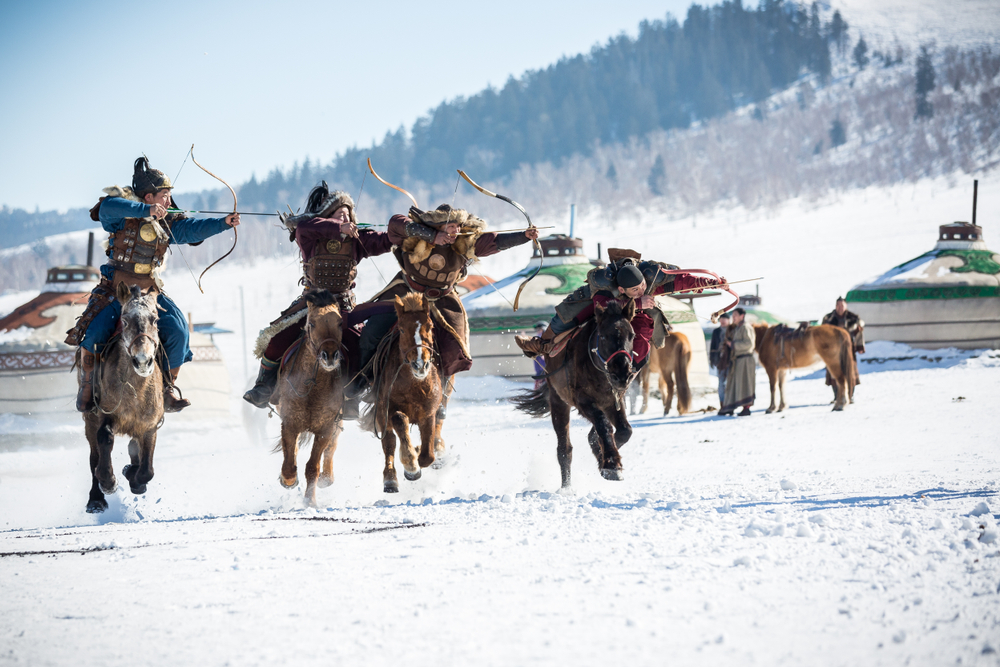
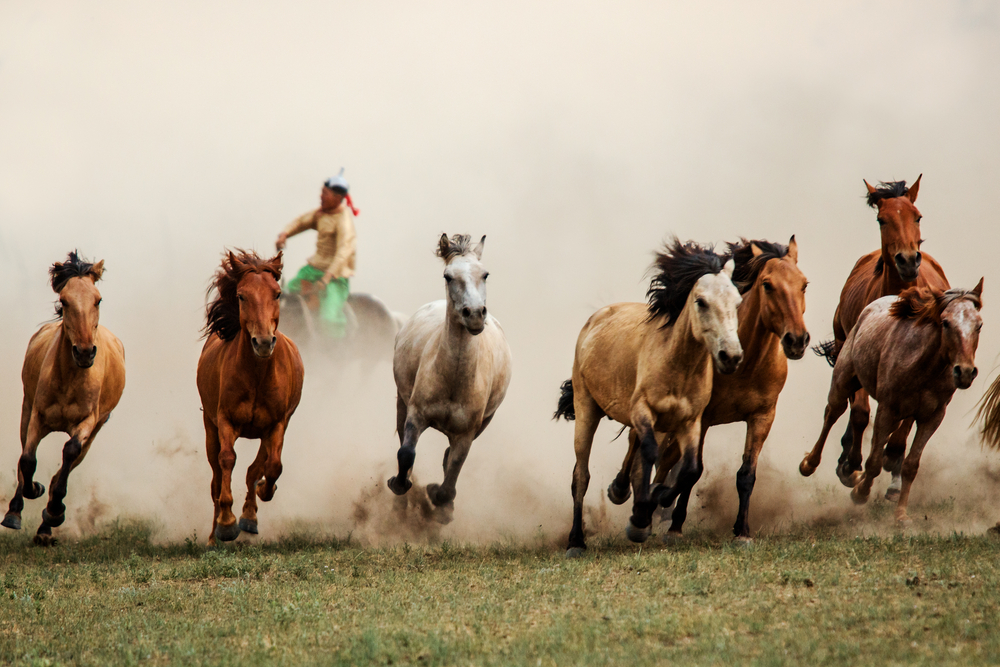
However, thanks to the rise in popularity of experience drive holidays, with events such as the annual Nadaam festival, where participants celebrate Mongolians' rich heritage with horse races, archery contests and wrestling, the country is now drawing tourists from Russia, China and APAC as well as Europe and the States.
Compounding this tourism trend, Mongolia also introduced a measure to drive the countryโ€™s potential by abolishing tourism licences and the introduction of a tax exemption scheme which offers up to 10% of total investment to companies building โ€œhigh-rated hotels and tourist complexesโ€.

This has resulted in Mongolia witness a slow, but steady, increase in the number of international visitors, creeping up to 471,094 in 2017, a 28.3% increase on 2016โ€™s figure. The numbers may be slow but progress is progress, and growth of more than a quarter is still impressive.
One company seeking to take advantage of the uptick in interest to Mongolia is Hunnu Air, Mongoliaโ€™s second largest airline, who have announced a new deal with Sabre corporation which will see the carrierโ€™s content rolled out via the tech providerโ€™s marketplace platform used by more than 425,000 global travel agents.

โ€œHunnu Air has taken on a new direction, more committed than ever to providing convenient domestic and regional flight options to travellers. In conjunction with our growing fleet and numerous scheduling options, we are eager to leverageย Sabreย and the platform that we need to continue to grow our operations, and further anchor ourselves within the countryโ€™s travel landscape,โ€ said Munkhjargal Purevjal, CEO of Hunnu Air.

โ€œSabreย understands the Mongolia market"

Rakesh Narayanan, vice president, of airline business for Sabreย Travel Network,ย Asia Pacific, said: โ€œSabreย understands the Mongolia market and is well positioned to support Hunnu Airโ€™s growth through the distribution of new bookable content. We are proud to support the carrierโ€™s strategic considerations and to distribute their content throughย Sabreโ€™s leading global travel marketplace.โ€

Join The Community

Join The Community

TDM

x Studio

Connect with your clients by working with our in-house brand studio, using our expertise and media reach to help you create and craft your message in video and podcast, native content and whitepapers, webinars and event formats.

Mon-go-go-go-lia: The rise of Mongolian tourism

In the past, Mongolia was often used as a by-word for an inaccessible or obscure location, thanks to the hardy nature of its landscapes and distant geographical position slap bang between Russia and China โ€“ historically not the two most open nations.

More famous as the birthplace of Genghis Khan, leader of the Mongol Hordes, than as a tourism destination, in modern times Mongolia has relied on mining as its main source of income, with 80% of its exports coming from the substantial mineral deposits found inside its borders.

However, thanks to the rise in popularity of experience drive holidays, with events such as the annual Nadaam festival, where participants celebrate Mongolians' rich heritage with horse races, archery contests and wrestling, the country is now drawing tourists from Russia, China and APAC as well as Europe and the States.

Compounding this tourism trend, Mongolia also introduced a measure to drive the countryโ€™s potential by abolishing tourism licences and the introduction of a tax exemption scheme which offers up to 10% of total investment to companies building โ€œhigh-rated hotels and tourist complexesโ€.

This has resulted in Mongolia witness a slow, but steady, increase in the number of international visitors, creeping up to 471,094 in 2017, a 28.3% increase on 2016โ€™s figure. The numbers may be slow but progress is progress, and growth of more than a quarter is still impressive.

One company seeking to take advantage of the uptick in interest to Mongolia is Hunnu Air, Mongoliaโ€™s second largest airline, who have announced a new deal with Sabre corporation which will see the carrierโ€™s content rolled out via the tech providerโ€™s marketplace platform used by more than 425,000 global travel agents.

โ€œHunnu Air has taken on a new direction, more committed than ever to providing convenient domestic and regional flight options to travellers. In conjunction with our growing fleet and numerous scheduling options, we are eager to leverageย Sabreย and the platform that we need to continue to grow our operations, and further anchor ourselves within the countryโ€™s travel landscape,โ€ said Munkhjargal Purevjal, CEO of Hunnu Air.

โ€œSabreย understands the Mongolia market"

Rakesh Narayanan, vice president, of airline business for Sabreย Travel Network,ย Asia Pacific, said: โ€œSabreย understands the Mongolia market and is well positioned to support Hunnu Airโ€™s growth through the distribution of new bookable content. We are proud to support the carrierโ€™s strategic considerations and to distribute their content throughย Sabreโ€™s leading global travel marketplace.โ€

Join The Community

Stay Connected

Facebook

101K

Twitter

3.9K

Instagram

1.7K

LinkedIn

19.9K

YouTube

0.2K

TDM

x Studio

Connect with your clients by working with our in-house brand studio, using our expertise and media reach to help you create and craft your message in video and podcast, native content and whitepapers, webinars and event formats.

Scroll to Top