


Europe's introduction of the biometric Entry/Exit System (EES) for non-EU travellers is causing significant delays at border controls, with knock-on effects throughout the travel experience. The system requires passengers entering the Schengen Area to register biometric data, including fingerprints and facial images, upon their first entry. This has increased processing times at border controls by up to four or five times, according to industry groups representing airports.
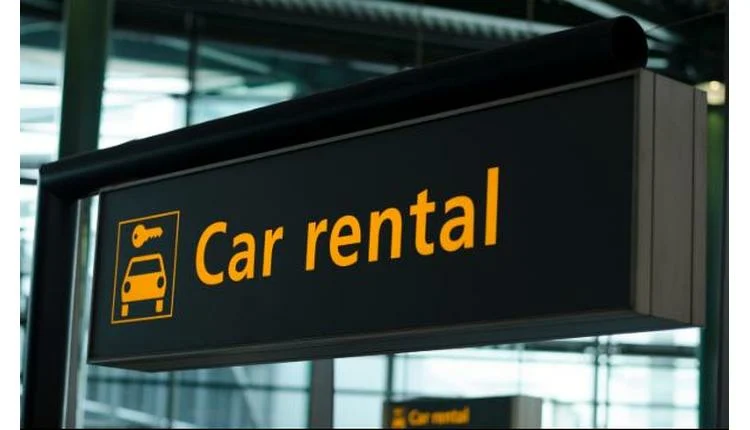
The delays extend beyond passport control, impacting car rental services, transport pickups, and hotel check-ins, particularly during peak holiday periods. Ričardas Šukys, CEO of Woop Drive, highlighted that the congestion at car rental desks is exacerbated by delayed arrivals. In response, Woop Drive has launched a fully digital car rental platform, offering desk-free, app-based rentals in popular destinations such as Greece, Spain, and the United Arab Emirates.
The shift towards digitalisation aims to streamline the arrival process. Woop Drive's platform allows travellers to complete verification and access their cars via a mobile app, bypassing traditional rental counters and paperwork. A study by JD Power revealed that skipping the counter results in a 36% faster pickup and increases customer satisfaction by up to 8%.
As the EES rollout continues through 2026, airports and travel associations warn that the situation could worsen during peak travel periods like Easter and summer. Non-EU travellers should anticipate longer arrival times and consider digital solutions to reduce friction post-border control. The travel industry is reassessing how arrivals are managed, moving away from manual processes to meet the evolving needs of non-EU tourists
This story was selected and published by a human editor, with content adapted from original press material using AI tools. Spot an error? Report it here.




