


While regional peers like Thailand, Malaysia, and Vietnam report surging international arrivals, the Philippines is struggling to regain momentum.
Industry observers point to a complex brew of political friction, diplomatic tensions, and severe logistical bottlenecks that make holidaying in the country far more onerous than it ought to be.
While the Department of Tourism has expanded its promotional budgets to counter negative coverage, marketing alone cannot overcome foundational friction.
Politics continue to tarnish the image of national stability
Although domestic political drama rarely disrupts tourists directly, international coverage of the escalating Marcos-Duterte rift and persistent institutional corruption continues to tarnish the nation's destination brand.
Systemic friction manifests at various levels, from high-profile political disputes down to immigration red tape and petty scams.
Experts point out: “Travellers frequently voice frustration online over feeling treated as walking ATMs by local entities. When combined with sporadic travel advisories from key source markets like South Korea and Japan regarding localized crime, cautious Asian travelers often opt for less fraught destinations.”
More measurable damage stems from diplomatic tensions in the West Philippine Sea and persistent geopolitical friction,
Chinese tourist arrivals have plummeted throughout much of this year, leaving direct flight capacity between the two nations languishing at a mere 45 percent of pre-pandemic levels.
The glaring cost and infrastructure gap
Yet, travel analysts argue that politics is merely the backdrop: the primary deterrents keeping foreign leisure travelers at bay are rooted in day-to-day operational realities.
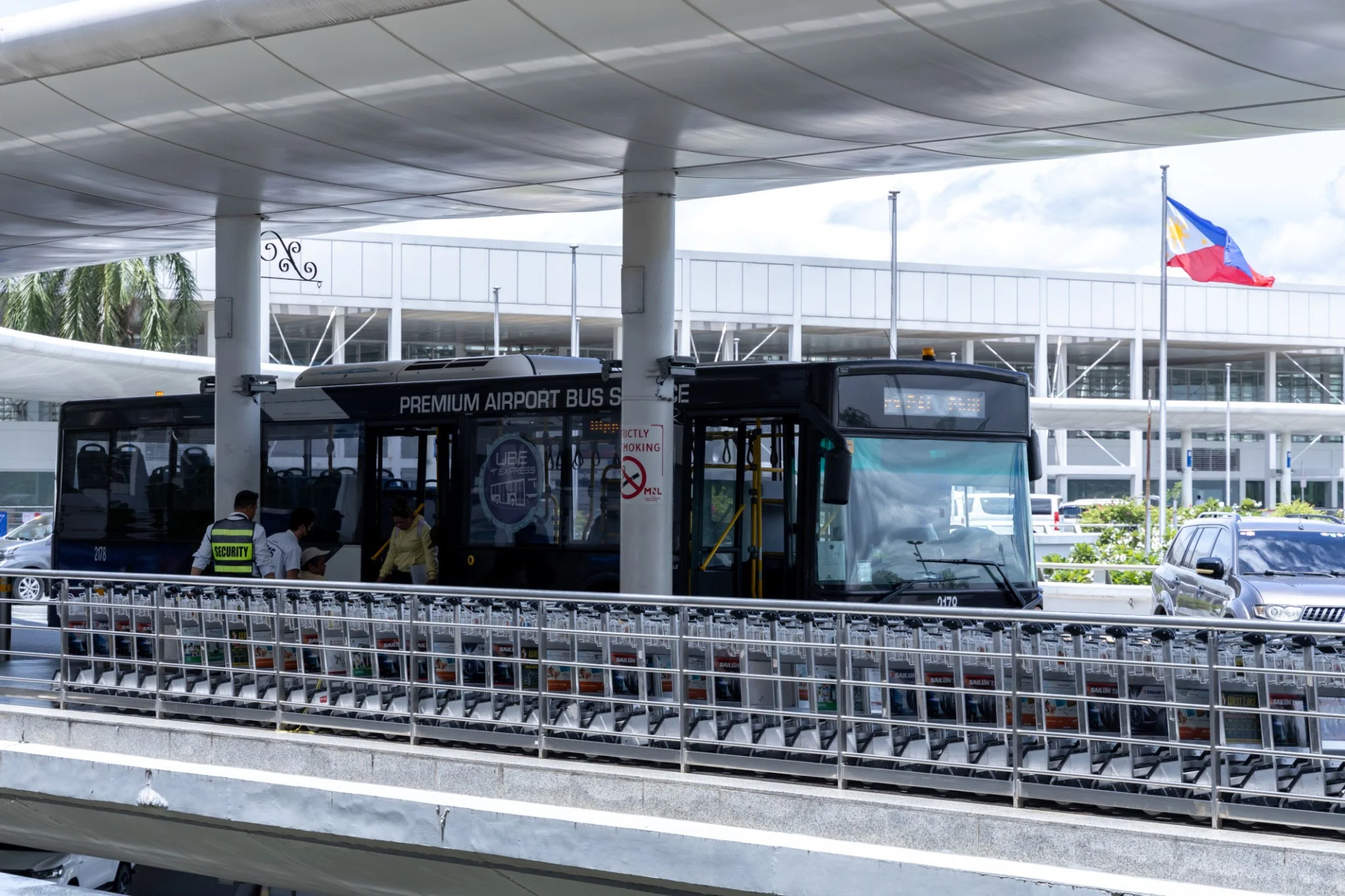
Main entry points, particularly Manila’s Ninoy Aquino International Airport (NAIA), remain notorious for flight delays and poor terminal connectivity. Inter-island transfers are equally fragmented, requiring long coach journeys and rough road journeys before visitors ever reach a beach.
At the same time, a week-long itinerary in the Philippines typically costs US$100 to $200 more than comparable holidays in Vietnam, Bali, or Thailand.
High domestic airfares and complex logistics have also served to quickly erode the country’s competitive edge.
Finally, mobile connectivity, frequent power outages, and basic service gaps hinder appeal among long-stay remote workers and digital nomads.
Moving forward, if systemic corruption and infrastructural deficits remain unresolved, the Philippines risks remaining on the sidelines of Southeast Asia's booming travel recovery.






