


When the subject of budget hospitality comes up, it is often part of the conversation regarding the democratisation of travel.
Along with low-cost carriers, the rise of low-cost accommodations helped drive the boom in travel throughout much of the past two decades, enabling those on tight budgets to find affordable stays in their destinations of choice.
In fact, The Business Research Company pointed out in a recent report that the budget hotel segment earned around US$300.83 billion in 2025, and that it is growing at a compound annual growth rate (CAGR) of 5.6 percent per annum.
But with consumer preferences evolving at a rapid clip in recent years, how is the budget accommodations segment adjusting and will it be able to sustain its growth?

How big a field are we looking at?
A report authored by Atul Ramgade points out that budget and mid-scale accommodations currently make up around 61 percent of the total global hospitality industry.
Also, especially in high-demand regions, the budget segment accounts for up to 80 percent of new signings and openings.
The segment’s overall strength may be attributed to the growing number of budget-conscious travellers worldwide, as well as the listing of properties from the category on a growing number of online travel agencies (OTAs) and booking engines.
The popularity of such properties likewise stems from a general need for clean and safe accommodation, often without frills and just the most basic of comforts.
In terms of global tourism, budget hospitality has been a boon to the industry in terms of its economic growth.
Aside from earning revenues, low-cost accommodations have provided employment, boosted for local businesses operating within the vicinity, promoting cultural exchange between travellers and locals, and driven infrastructural development.

Franchises are driving the boom
According to Facilities & Service Management, franchises are one of the key drivers of the substantial and rapid growth of the budget accommodations segment.
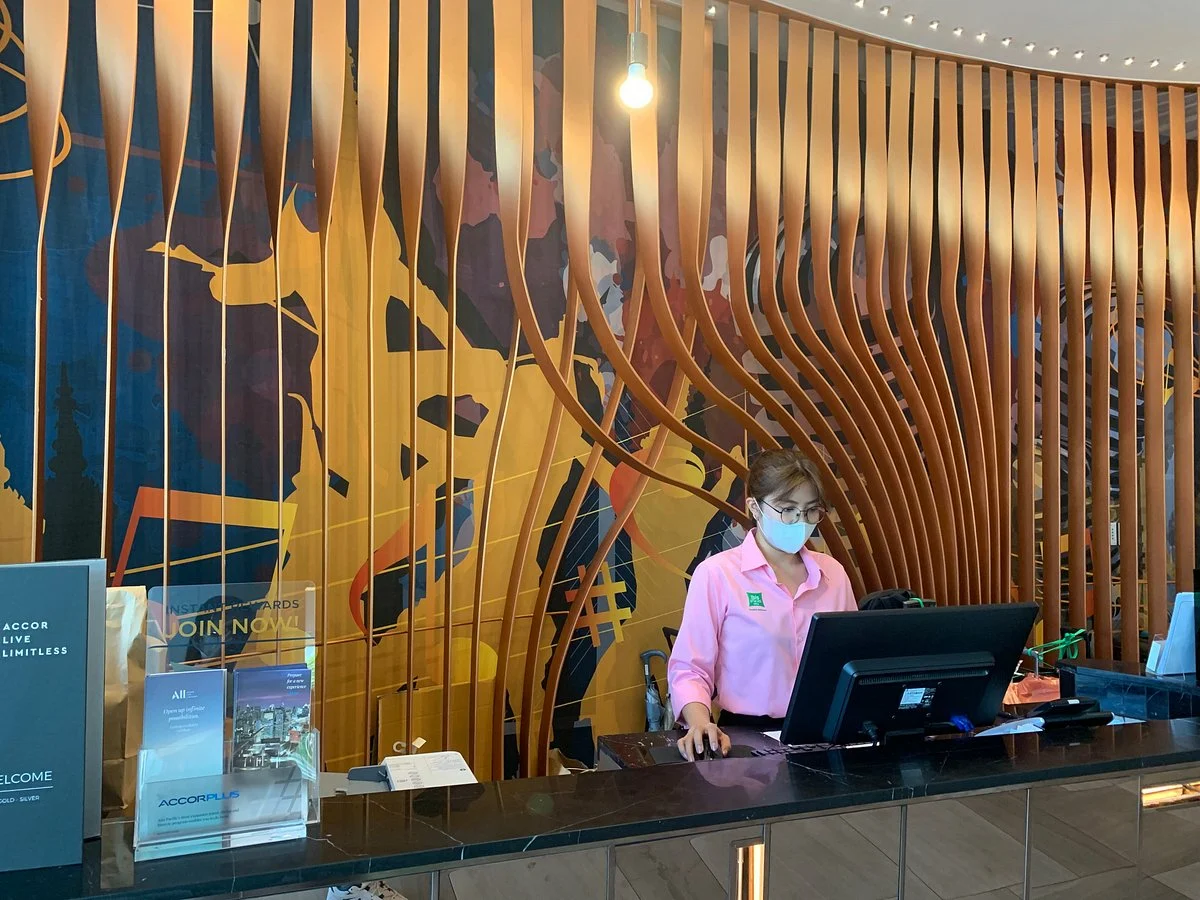
Independents like Travelodge and OYO Rooms have long spurred their growth through this model, and even global giants like Accor and IHG have long catered to budget travellers through brands like Ibis and Holiday Inn.
These franchises can attribute their growth and success to the following factors:
Rapid market penetration By partnering with local entrepreneurs and using existing facilities, both domestic and global chains are able to enter markets faster thanks to those who understand local market preferences and relevant regulations governing hospitality in the area;
Lower financial risks Franchisees only need to invest in property and operations. Other matters, including brand standards, relevant technologies, and marketing, are handled by the parent company;
Pairing local expertise with global standards Local businesses partnering with bigger players opens a fount of useful local knowledge which can be interwoven with the latter’s time-honoured standards to build property identity and to offer unique yet consistent experiences to guests; and
Growth becomes scalable Franchising can significantly speed up growth for chains, enabling them to grow their portfolio from one of dozens to one of thousands within a shorter period of time.

Key issues impacting budget hospitality
Even a major growth sector like budget hospitality has not been immune to the issues that have plagued tourism and the greater hospitality industry since 2020.
Like its premium and luxury counterparts, budget hospitality continues to struggle with a human resources shortage, especially where housekeeping is concerned.
While hotels are actively and constantly hiring, the primary issue is that employee turnover also remains high; experts at FSM point out that staff hired, say, today do not tend to stick around for long and often come in straight out of university or vocational training, lacking many of the skills necessary for the positions.
While this is not necessarily the fault of the hotels, it also reveals a gap in professional training for those seeking to enter the hospitality sector.
Tight budgets dictated by an equally stringent operational model also mean little is allocated for onsite training, particularly among smaller independent properties.
Safety and security of guests are also a cause for concern, especially given how a number of properties are in less than ideal locations, thus forcing many budget hotels to rely on surveillance equipment that may not necessarily cover their entire premises.
Also, while we cannot really say that their popularity is on the wane, short-term rental services like AirBnB are giving budget hotels a run for their money, offering homey accommodations in excellent locations at a good price to travellers.
The way forward
Budget hospitality, nevertheless, has remained resilient; but for it to remain so, operators need to take a number of things into consideration.
Niche marketing is key Knowing your specific market segment (business travellers, students, families, etc) enables properties and chains to create targeted campaigns to boost their visibility among potential guests. Along with this and catering to the specific needs of the market, properties can elevate themselves from simply being another generic hotel into one with a specific identity recognised by guests;
Technology is a boon Budget accommodations, especially those operated by smaller independent firms, can team up with third-party tech solution providers to make use of advanced systems to improve operations. Take a cue from our interview with ZUZU Hospitality Solutions’ Vikram Malhi: innovations like AI will help level the playing field for these operators, enabling them to compete with the global industry's bigger players; and
Be one with the local community Integration with the local community is a good way for budget hotels to even the odds with the local experiences offered by short-term rental providers. Along with partnerships with local enterprises like restaurants and attractions, it is also prudent to consider those with tour operators and local guide groups to help guests get the most out of their stay, definitely delivering more bang for their bucks.




