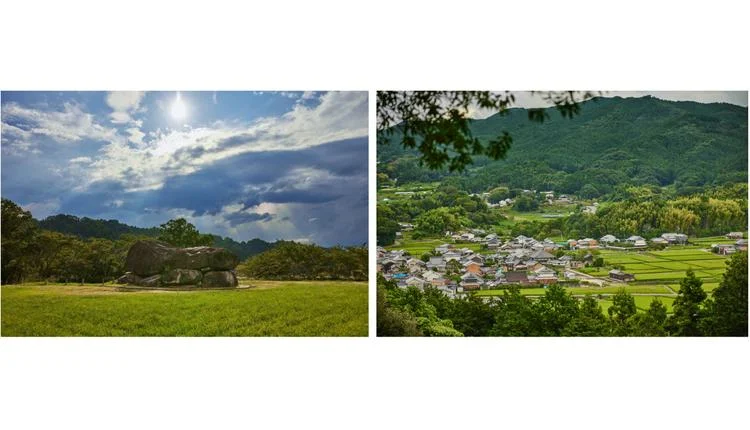
Japan's ancient capitals gain UNESCO status

Travel Daily Media

e30e53cd-2026-tdm-awards-logo_new-gold

TDM AWARDS - NOMINATE NOW!

The Ancient Capitals of Asuka and Fujiwara have been officially inscribed as a UNESCO World Heritage Site as of 26 July 2026. This designation highlights the archaeological significance of Japan's earliest capitals, established between the late sixth and early eighth centuries, and opens the gateway to the culturally rich Kii Peninsula. This region, often referred to as Japan's spiritual heart, offers a unique blend of history, spirituality, and living traditions.

The Kii Peninsula, encompassing the prefectures of Nara, Wakayama, and Mie, is home to sacred mountains, ancient pilgrimage routes, and vibrant cultural practices. Hiroyasu Takeda, Vice Chair of the Kii Peninsula Tourism Authority, remarked, "The inscription of Ancient Capitals of Asuka and Fujiwara marks an important new chapter for the Kii Peninsula. It invites travellers to continue their journey through some of Japan's most significant cultural and spiritual landscapes."

Visitors to Asuka can explore palace sites, temple ruins, and ancient burial mounds, all set within a rural landscape that has remained largely unchanged for centuries. The village itself is a living community, with rice fields, family-run cafés, and quiet country lanes offering a glimpse into traditional Japanese life.

Beyond Asuka, the journey through the Kii Peninsula includes destinations such as Yoshino, Mount Koya, and the Kumano Kodo pilgrimage routes, culminating at Ise Jingu, Japan's most revered Shinto shrine. These sites collectively offer an immersive cultural experience, encouraging travellers to delve deeper into Japan's history and traditions.

Asuka is also developing as a destination for extended stays, with new accommodations like BRANCHERA Ishibutai Terrace and BRANCHERA VILLA ASUKA enhancing its appeal. The upcoming HOSHINOYA Asuka, set to open in 2027, is expected to further attract visitors seeking to immerse themselves in Japan's ancient history


This story was selected and published by a human editor, with content adapted from original press material using AI tools and checked by the editor before publication. Spot an error? Report it here.

TDM

x Studio

Connect with your clients by working with our in-house brand studio, using our expertise and media reach to help you create and craft your message in video and podcast, native content and whitepapers, webinars and event formats.

Japan’s ancient capitals gain UNESCO status

The Ancient Capitals of Asuka and Fujiwara have been officially inscribed as a UNESCO World Heritage Site as of 26 July 2026. This designation highlights the archaeological significance of Japan's earliest capitals, established between the late sixth and early eighth centuries, and opens the gateway to the culturally rich Kii Peninsula. This region, often referred to as Japan's spiritual heart, offers a unique blend of history, spirituality, and living traditions.

The Kii Peninsula, encompassing the prefectures of Nara, Wakayama, and Mie, is home to sacred mountains, ancient pilgrimage routes, and vibrant cultural practices. Hiroyasu Takeda, Vice Chair of the Kii Peninsula Tourism Authority, remarked, "The inscription of Ancient Capitals of Asuka and Fujiwara marks an important new chapter for the Kii Peninsula. It invites travellers to continue their journey through some of Japan's most significant cultural and spiritual landscapes."

Visitors to Asuka can explore palace sites, temple ruins, and ancient burial mounds, all set within a rural landscape that has remained largely unchanged for centuries. The village itself is a living community, with rice fields, family-run cafés, and quiet country lanes offering a glimpse into traditional Japanese life.

Beyond Asuka, the journey through the Kii Peninsula includes destinations such as Yoshino, Mount Koya, and the Kumano Kodo pilgrimage routes, culminating at Ise Jingu, Japan's most revered Shinto shrine. These sites collectively offer an immersive cultural experience, encouraging travellers to delve deeper into Japan's history and traditions.

Asuka is also developing as a destination for extended stays, with new accommodations like BRANCHERA Ishibutai Terrace and BRANCHERA VILLA ASUKA enhancing its appeal. The upcoming HOSHINOYA Asuka, set to open in 2027, is expected to further attract visitors seeking to immerse themselves in Japan's ancient history


This story was selected and published by a human editor, with content adapted from original press material using AI tools and checked by the editor before publication. Spot an error? Report it here.

Join The Community

Stay Connected

Facebook

101K

Twitter

3.9K

Instagram

1.7K

LinkedIn

19.9K

YouTube

0.2K

TDM

x Studio

Connect with your clients by working with our in-house brand studio, using our expertise and media reach to help you create and craft your message in video and podcast, native content and whitepapers, webinars and event formats.

Scroll to Top