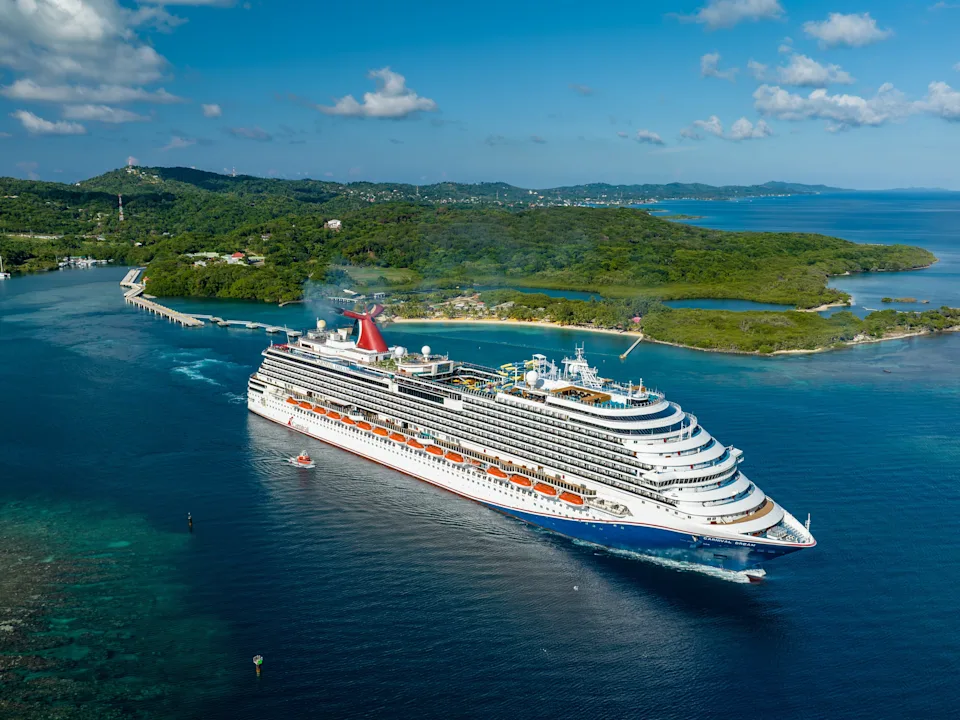
Ports upgrade green infrastructure as cruise sector faces growing overtourism risks

Travel Daily Media

e30e53cd-2026-tdm-awards-logo_new-gold

TDM AWARDS - NOMINATE NOW!

We take a look at the global cruise sector’s way of making the shift to more sustainable yet still profitable operations

In December of last year, the Good Tourism Institute published a report stating that sustainable tourism is the best chance for tour operators to limit the negative effects of tourism on specific location.

This, in turn, enables the industry to focus on maximising its work’s positive effects instead. 

However, it is important to note at this point that sustainable tourism goes beyond mere marketing gimmicks.

Rather, it should be seen more as a way to ensure the future of the industry through the preservation of locations and natural resources.

We have already seen in numerous instances how hospitality and commercial aviation have been working on their sustainability profiles; so what could we possibly see from the global cruise sector in this context?

Contemplating growth without compromise

Just last month, the Asian Development Bank’s Southeast Asia Development Solutions (ADB-SEADS) published its report Growth Without Compromise: The Case for Sustainable Cruise Ports.

Based on the ADB’s fourth webinar in its Green and Resilient Ports series, the report points out how growth alone does not guarantee long-term value.

Indeed, the main point of consideration lies in how cruise and tourism ports manage rising passenger volumes whilst protecting communities, ecosystems, and destination quality.

This will determine whether the industry strengthens regional economies or gradually erodes the very destinations on which it depends.

With regard to the Southeast Asian cruise sector, the report specifically states:

Southeast Asia stands at an important moment for its cruise tourism sector. The region’s natural landscapes, cultural heritage, and expanding middle class position it well to attract a larger share of global cruise itineraries. Capturing that opportunity sustainably will require coordinated action across several fronts, including investing in port infrastructure, improving environmental practices and standards, developing local tourism products, and enhancing coordination among destinations in the region.”

According to ADB senior tourism industry specialist Jesse McComb, regardless of wherever these may be in the world, poorly managed tourism initiatives, especially cruise-related ones, can place significant pressure on destinations. 

Per the report:

“Waste management systems become overwhelmed, water and energy infrastructure is strained, and fragile coastal and marine environments can be damaged. In extreme cases, overtourism can degrade the cultural and natural assets that attract visitors in the first place. Cruise operations also introduce environmental risks. Ballast water discharge, for example, can spread invasive species, which experts rank among the top global threats to biodiversity.”

What needs to be done

If we are to go by the guidelines set out by the Cruise Lines International Association (CLIA), making global cruise operations more sustainable needs to align with the industry-wide goal of net-zero carbon emissions by 2050.

In which case, it should begin with the adoption of lower-emission marine fuels like liquefied natural gas (LNG), green biofuels,.

This also means a shift towards fuel-flexible engines that can transition to zero-emission fuels.

Likewise, the industry in general needs to develop and implement energy-saving innovations, including air lubrication systems to cut hull friction and waste-heat recovery systems.

With regard to port and shore infrastructure, it may become mandatory to equip vessels and port facilities with onshore power capabilities so ships can turn off their engines while docked.

Closing regional infrastructure gaps, particularly outside Europe and China, is also necessary for making shore-side electricity widely available.

Those on the infra side must also consider multi-use port facilities designed in such a way that they  benefit local communities and protect delicate coastal ecosystems from over-expansion. 

As for waste and water management, operations personnel need to install advanced wastewater treatment systems to eliminate untreated discharges.

There is also a need to implement biodigesters and gasification systems to process food waste onboard into energy or harmless biochar.

Finally, as with both hospitality and commercial aviation, the cruise sector must finally do away with single-use plastics and source their food and goods locally at destinations.

TDM

x Studio

Connect with your clients by working with our in-house brand studio, using our expertise and media reach to help you create and craft your message in video and podcast, native content and whitepapers, webinars and event formats.

Ports upgrade green infrastructure as cruise sector faces growing overtourism risks

We take a look at the global cruise sector’s way of making the shift to more sustainable yet still profitable operations

In December of last year, the Good Tourism Institute published a report stating that sustainable tourism is the best chance for tour operators to limit the negative effects of tourism on specific location.

This, in turn, enables the industry to focus on maximising its work’s positive effects instead. 

However, it is important to note at this point that sustainable tourism goes beyond mere marketing gimmicks.

Rather, it should be seen more as a way to ensure the future of the industry through the preservation of locations and natural resources.

We have already seen in numerous instances how hospitality and commercial aviation have been working on their sustainability profiles; so what could we possibly see from the global cruise sector in this context?

Contemplating growth without compromise

Just last month, the Asian Development Bank’s Southeast Asia Development Solutions (ADB-SEADS) published its report Growth Without Compromise: The Case for Sustainable Cruise Ports.

Based on the ADB’s fourth webinar in its Green and Resilient Ports series, the report points out how growth alone does not guarantee long-term value.

Indeed, the main point of consideration lies in how cruise and tourism ports manage rising passenger volumes whilst protecting communities, ecosystems, and destination quality.

This will determine whether the industry strengthens regional economies or gradually erodes the very destinations on which it depends.

With regard to the Southeast Asian cruise sector, the report specifically states:

Southeast Asia stands at an important moment for its cruise tourism sector. The region’s natural landscapes, cultural heritage, and expanding middle class position it well to attract a larger share of global cruise itineraries. Capturing that opportunity sustainably will require coordinated action across several fronts, including investing in port infrastructure, improving environmental practices and standards, developing local tourism products, and enhancing coordination among destinations in the region.”

According to ADB senior tourism industry specialist Jesse McComb, regardless of wherever these may be in the world, poorly managed tourism initiatives, especially cruise-related ones, can place significant pressure on destinations. 

Per the report:

“Waste management systems become overwhelmed, water and energy infrastructure is strained, and fragile coastal and marine environments can be damaged. In extreme cases, overtourism can degrade the cultural and natural assets that attract visitors in the first place. Cruise operations also introduce environmental risks. Ballast water discharge, for example, can spread invasive species, which experts rank among the top global threats to biodiversity.”

What needs to be done

If we are to go by the guidelines set out by the Cruise Lines International Association (CLIA), making global cruise operations more sustainable needs to align with the industry-wide goal of net-zero carbon emissions by 2050.

In which case, it should begin with the adoption of lower-emission marine fuels like liquefied natural gas (LNG), green biofuels,.

This also means a shift towards fuel-flexible engines that can transition to zero-emission fuels.

Likewise, the industry in general needs to develop and implement energy-saving innovations, including air lubrication systems to cut hull friction and waste-heat recovery systems.

With regard to port and shore infrastructure, it may become mandatory to equip vessels and port facilities with onshore power capabilities so ships can turn off their engines while docked.

Closing regional infrastructure gaps, particularly outside Europe and China, is also necessary for making shore-side electricity widely available.

Those on the infra side must also consider multi-use port facilities designed in such a way that they  benefit local communities and protect delicate coastal ecosystems from over-expansion. 

As for waste and water management, operations personnel need to install advanced wastewater treatment systems to eliminate untreated discharges.

There is also a need to implement biodigesters and gasification systems to process food waste onboard into energy or harmless biochar.

Finally, as with both hospitality and commercial aviation, the cruise sector must finally do away with single-use plastics and source their food and goods locally at destinations.

Join The Community

Stay Connected

Facebook

101K

Twitter

3.9K

Instagram

1.7K

LinkedIn

19.9K

YouTube

0.2K

TDM

x Studio

Connect with your clients by working with our in-house brand studio, using our expertise and media reach to help you create and craft your message in video and podcast, native content and whitepapers, webinars and event formats.

Scroll to Top


