

Search Results fordelhi

LOT Polish Airlines launches Delhi-San Francisco route
LOT Polish Airlines has announced the commencement of a new direct flight service between Delhi and San Francisco, starting on 6 May. This new route aims to strengthen the connectivity between India and the United States, offering passengers a convenient travel option between the two major cities. The introduction of this service is part of LOT Polish Airlines' strategy to expand its global network and cater to the growing demand for international travel. The airline, headquartered in Warsaw, is known for its extensive European and transatlantic routes, and this addition marks a significant step in enhancing its presence in the North American market. The Delhi-San Francisco route will provide passengers with a direct link, reducing travel time and offering a seamless experience. This move is expected to benefit both business and leisure travellers, facilitating easier access to the vibrant tech hub of San Francisco and the cultural richness of Delhi. LOT Polish Airlines has been actively expanding its services, and this new route is a testament to its commitment to providing more travel options for its customers. The airline's focus on customer satisfaction and connectivity is evident in its continued efforts to introduce new routes and enhance its service offerings. With the launch of this new service, LOT Polish Airlines is poised to play a crucial role in fostering stronger ties between India and the US, potentially boosting tourism and business exchanges between the two nations This story was selected and published by a human editor, with content adapted from original press material using AI tools. Spot an error? Report it here.

IndiGo expands with second A321XLR on Delhi-Istanbul route
Magnificent panoramic views of the Bosphorus and the historic center of Istanbul. Istanbul rooftop with traditional colorful Turkish carpet and pillows IndiGo, India's leading airline, is set to deploy its second Airbus A321XLR on the Delhi-Istanbul route starting 19 April 2026. This strategic move aims to strengthen IndiGo's international connectivity, offering seamless onward connections to over 50 destinations through its codeshare partnership with Turkish Airlines. The introduction of the A321XLR on this route marks the first time IndiGo will offer a dual-class configuration, featuring 183 Economy seats and 12 IndiGoStretch seats, a bespoke business product. Passengers will enjoy complimentary hot meals and beverages inspired by global and local cuisines, with vegetarian options as standard and non-vegetarian meals available for pre-booking. Alcoholic beverages can be purchased in Economy or pre-booked, whilst they are complimentary for IndiGoStretch customers. The aircraft is also equipped with a next-generation digital inflight entertainment system, allowing passengers to stream a variety of content directly on their personal devices. Earlier in the year, IndiGo became the first Indian airline to introduce the Airbus A321XLR, launching operations to Athens. This new-generation aircraft offers enhanced range, fuel efficiency, and cabin comfort, enabling IndiGo to explore new long-haul markets and improve the travel experience for its customers. IndiGo's expansion on the Delhi-Istanbul route is part of its broader internationalisation strategy, aiming to provide affordable fares, punctual flights, and a hassle-free travel experience. With a fleet of over 400 aircraft, IndiGo operates more than 2,200 daily flights, connecting numerous domestic and international destinations This story was selected and published by a human editor, with content adapted from original press material using AI tools. Spot an error? Report it here.

Roseate House New Delhi targets record RevPAR as airport proximity drives MICE surge
Kush Kapoor, CEO Roseate Hotels and Resorts As the Indian hospitality sector navigates the dual pressures of global travel uncertainty and rising domestic overheads, Roseate House New Delhi is pivoting toward a "meaningful luxury" model for 2026. CEO Kush Kapoor discusses the brand's resilience in the face of Middle Eastern tensions and explains why a "strong digital presence" is now non-negotiable for RevPAR growth. This interview dives into the trade partnerships and specialised MICE strategies that are keeping Roseate at the forefront of the capital’s luxury landscape. In an interview with Travel Daily Media, Kush Kapoor, CEO Roseate Hotels and Resorts shares more… Travel Daily Media (TDM): What are the new plans and vision that you have for Roseate House New Delhi for 2026? Kush Kapoor (KK): For 2026, our vision for Roseate House New Delhi is to further strengthen its position as a modern luxury lifestyle hotel that offers unique and memorable guest experiences. Our focus will be on enhancing personalised service, innovation, and overall guest comfort. We also plan to introduce more technology-driven services to make the guest journey smoother, while still maintaining the warm and personal hospitality that Roseate is known for. At the same time, sustainability remains a key priority, with continued efforts towards reducing environmental impact through responsible sourcing, energy efficiency, and eco-friendly practices. Additionally, we aim to position Roseate House as a vibrant hub for dining, culture, and social experiences in New Delhi by hosting curated events, culinary collaborations, and lifestyle experiences for both travellers and local guests. Our goal is to ensure every guest enjoys a stay that is both luxurious and meaningful. TDM: What are the latest trends in hotel room sales and marketing that are taking the industry by storm? What is the strategy that you are utilising to ensure good occupancy and RevPAR numbers? KK: The hotel industry is seeing trends like greater use of technology, digital bookings, and more personalised services for guests. Travellers today expect convenience, quick service, and unique experiences during their stay. We focus on a strong digital presence, smart pricing strategies, and partnerships with travel platforms and corporate clients to maintain good occupancy. At the same time, we enhance the guest experience through technology-driven services and personalised touches like our butler service, which adds comfort and exclusivity to the stay. By combining technology, personalised hospitality, and effective revenue management, we aim to maintain strong occupancy and healthy RevPAR while ensuring guests have a memorable experience. TDM: What are you doing to forge a long term mutually beneficial partnership with your travel trade partners? KK: We believe our travel trade partners are very important to our long-term success, and we focus on building strong relationships through regular communication, transparency, and consistent support. We work closely with our partners by offering competitive packages, special promotions, and flexible booking options that help them sell our property more effectively. We also organise familiarisation trips, training sessions, and networking events so that partners can better understand our hotel and the unique experiences we offer. In addition, our trade partners are assigned dedicated account managers from our front office team, which makes coordination and communication seamless for both sides. This personalised approach has been very well received by our partners. Our goal is to create a mutually beneficial partnership, where both Roseate and our travel partners grow together while delivering exceptional experiences to guests. TDM: What are you doing to grow your business travel and MICE segment? Can you share the details of a few of the main corporate events that took place at your hotels? What trends do you see for MICE in 2026? Especially since your hotel is in close proximity to the international airport. KK: At Roseate House New Delhi, the business travel and MICE segment is a key focus, especially because of our close proximity to Indira Gandhi International Airport, which makes the hotel very convenient for corporate travellers and international delegates. We support this segment with modern meeting spaces, advanced technology, and personalised services like butlers for premium guests to ensure a smooth and comfortable experience. Over the past year, we have hosted several corporate meetings, leadership events, and product launches at the hotel. Looking ahead to 2026, we see MICE events becoming more technology-driven and experience-focused, and our aim is to continue offering seamless services and world-class facilities for corporate events. We are also excited about our upcoming hotel in Noida, which is being developed with a strong focus on the MICE segment, further strengthening our presence in the corporate events space. TDM: What are the main challenges that you have faced in your career as a hotelier and which decisions that you took left a mark? KK: In my career as a hotelier, one of the main challenges has been adapting to constant changes in the hospitality industry, especially during uncertain times such as the global pandemic and shifting travel patterns. It required quick decision-making, flexibility, and a strong focus on guest safety and service quality. One important decision that left a strong impact was focusing on innovation and experience-led hospitality, while also investing in technology and personalised services such as butler assistance to enhance the guest experience. I have also always believed in building strong teams and empowering people, as hospitality is ultimately about serving people. These decisions have helped us grow stronger and continue delivering meaningful experiences to our guests. TDM: What are the main challenges that the hospitality industry is facing in India today? KK: The hospitality industry in India is currently facing a few important challenges. One of the key challenges is rising operational costs, including energy, food, and overall maintenance, while still maintaining the high standards that guests expect from luxury hotels. Another challenge is the movement of skilled hospitality professionals to international markets in search of higher wages. However, at Roseate Hotels & Resorts, we strongly believe in supporting and valuing talent. We offer one of the best salary packages and growth opportunities for freshers, along with strong training and development programs to build long-term careers in hospitality. Despite these challenges, the industry in India continues to grow rapidly, and with a focus on innovation, quality service, and investing in people, the future of hospitality remains very positive. TDM: How has the US-Israel-Iran conflict impacted the hospitality and tourism industry in India? KK: The US–Israel–Iran conflict has created some uncertainty in global travel, mainly affecting flight routes, fuel costs, and travel sentiment in certain regions. For the hospitality industry, such geopolitical tensions can sometimes lead to short-term fluctuations in international travel. However, India’s tourism and hospitality sector has remained quite resilient. In many cases, India continues to attract both business and leisure travellers, especially because it is seen as a stable and attractive destination in the region. For hotels like Roseate House New Delhi, our strong business travel, MICE demand, and proximity to the international airport help us stay well connected with global travellers. While global events may create temporary shifts in travel patterns, the overall demand for travel to India continues to remain strong.

Odisha Parba 2026 draws record crowds in New Delhi
The ninth edition of Odisha Parba, a three-day cultural festival celebrating Odisha's heritage, concluded at Jawaharlal Nehru Stadium in New Delhi, attracting over 1.7 lakh visitors. The event, organised by the Odia Samaj, featured traditional crafts, cuisine, and performances, drawing diverse crowds and reaffirming its status as a major cultural celebration in the capital. The festival's final day was graced by Odisha Governor Hari Babu Kambhampati, who praised the vibrant spirit of the Odia community. "I appreciate the Odia Samaj for organising this wonderful festival that beautifully showcases Odisha’s cultural legacy," he stated. Delhi's Chief Minister Rekha Gupta also attended, highlighting the community's connection to its roots. Inaugurated by Union Education Minister Dharmendra Pradhan, the festival showcased Odisha's artistic excellence. Visitors enjoyed traditional Odia dance and music, as well as exhibitions of handloom and handicrafts like Pattachitra art and silver filigree. A new addition, ‘Pratibha Utsava,’ provided a platform for emerging artists to perform. The event also hosted seminars under the theme “Talk Today, Transform Tomorrow,” focusing on Odisha's development and future vision. Food enthusiasts relished iconic Odia dishes at the festival's food court. Siddharth Pradhan, President of Odia Samaj, noted the festival's role in enhancing Odisha's visibility across India. As the event concluded, organisers expressed gratitude to all contributors, marking another successful year for Odisha Parba This story was selected and published by a human editor, with content adapted from original press material using AI tools. Spot an error? Report it here.

Centrum Air boosts Tashkent–Delhi flight frequency
Centrum Air has announced an increase in its Tashkent–Delhi route frequency, with flights set to operate three times a week starting 29 March 2026. The airline will run services on Tuesdays, Fridays, and Sundays using its modern Airbus A320 family aircraft, offering passengers greater flexibility for both business and leisure travel. Fares begin at $256 (US$256) for a round-trip, excluding baggage. The decision to increase flight frequency is driven by growing demand and aims to strengthen Tashkent's role as a transit hub, connecting Indian travellers to destinations across Central Asia, the Middle East, and Europe. Abhishek Goyal, Executive Director and CEO of Aeroprime Group, Centrum Air's exclusive General Sales Agent in India, stated, “The increase in frequency on the Tashkent–Delhi route reflects Centrum Air’s growing commitment to the Indian market.” This expansion aligns with Centrum Holding's strategy to enhance Tashkent's position as an international aviation hub. The airline's network includes key destinations such as Tbilisi, Batumi, Guangzhou, Istanbul, and Tel Aviv. Tickets are now available through Centrum Air's official sales channels. Centrum Air, a private airline based in Tashkent, is part of Centrum Holding and is actively expanding its route network across Asia, the Middle East, and Europe. The airline aims to be a preferred carrier for both leisure and business travellers, offering competitive fares and convenient schedules This story was selected and published by a human editor, with content adapted from original press material using AI tools. Spot an error? Report it here.

Delhi hotel tariffs spike as Altman, Pichai arrive for AI summit
At Delhi's Shangri-La Eros, a robot greets guests arriving for the AI summit. Image Courtesy: Hindustan Times The AI Impact Summit 2026, being held from February 16 to 20 at Bharat Mandapam in New Delhi, not only positioned India at the center of global conversations on artificial intelligence but also sent hotel room tariffs soaring across Delhi-NCR. With an unprecedented lineup of global leaders, tech CEOs, and AI pioneers attending the five-day event, demand for accommodation surged sharply, driving up prices in luxury and mid-scale hotels alike. The summit drew an elite gathering that included Alphabet CEO Sundar Pichai, OpenAI CEO Sam Altman, Google DeepMind CEO Demis Hassabis, Anthropic CEO Dario Amodei, and Mistral AI CEO Arthur Mensch. Nvidia CEO Jensen Huang was also expected to attend, alongside Microsoft founder Bill Gates, Microsoft President Brad Smith, Adobe CEO Shantanu Narayen, Accenture CEO Julie Sweet, Qualcomm CEO Cristiano Amon, and Palo Alto Networks CEO Nikesh Arora. AI thought leaders such as Yann LeCun, Yoshua Bengio, and Stuart Russell further elevated the summit’s global profile. With such high-profile attendees descending on the capital, hotel occupancy levels rose dramatically. Premium properties near Bharat Mandapam, Aerocity, and central Delhi experienced the most pressure. Security considerations, proximity to the venue, and demand for private meeting spaces pushed many delegates toward five-star and luxury accommodations. Ahead of the summit, hotel industry representatives reportedly met Tourism Minister Gajendra Singh Shekhawat amid concerns about rising tariffs. The Hotel Association of India (HAI) stated that most standard rooms had been contracted in advance at rates between INR 10,000 and INR 12,000 per night. According to HAI, the higher rates being reported were largely reflective of luxury suites and premium inventory rather than standard rooms. However, market conditions told a broader story. Strong parallel demand due to the ongoing wedding season and the T20 World Cup significantly tightened room availability. As a result, average rates at several premium hotels reportedly climbed to between INR 40,000 and INR 60,000 per night during peak summit days. Last-minute bookings, in particular, bore the brunt of dynamic pricing. The impact extended beyond Delhi’s central districts. Hotels in Gurugram, Noida, and Faridabad also recorded noticeable spikes around February 18, with tariffs considerably higher than rates seen in early March. The AI Impact Summit effectively transformed the entire National Capital Region into an extended hospitality zone, with spillover demand spreading across business and leisure corridors. While price surges during mega events are not unusual, the scale of the AI Summit’s impact reflects the growing economic power of global technology gatherings. Traditionally, sporting tournaments and diplomatic summits have driven such spikes. However, the AI Impact Summit demonstrated that technology-focused events now command similar market influence, especially when they attract world leaders and top-tier executives. Hotels also leveraged the summit to highlight their own technological advancements. Shangri-La Eros, New Delhi, introduced a humanoid robot named “Echo” to greet guests attending the event. According to a Hindustan Times report, Echo is designed to welcome delegates, answer queries, and assist with wayfinding in the hotel lobby. Featuring an expressive LED face and dressed in a saree like the hotel staff, the robot blended cultural aesthetics with cutting-edge innovation — a symbolic nod to the AI-driven theme of the summit. For the hospitality industry, the summit offered a significant revenue opportunity. High occupancy, premium pricing, and ancillary spending on dining, events, and logistics contributed to strong short-term gains. At the same time, the spike reignited debates about dynamic pricing, transparency, and the balance between supply-demand economics and affordability during major international events. From a broader economic perspective, such events generate substantial multiplier effects. Airlines, transport operators, restaurants, event planners, and local vendors benefit from the influx of global delegates. As India strengthens its positioning as a global AI and digital innovation hub, similar high-profile gatherings are likely to become more frequent. If the AI Impact Summit 2026 is any indication, the convergence of technology leadership and hospitality economics will continue to reshape demand patterns in Delhi-NCR. For five days in February, the capital became not just a center of AI dialogue — but also one of the most expensive hotel markets in the country.
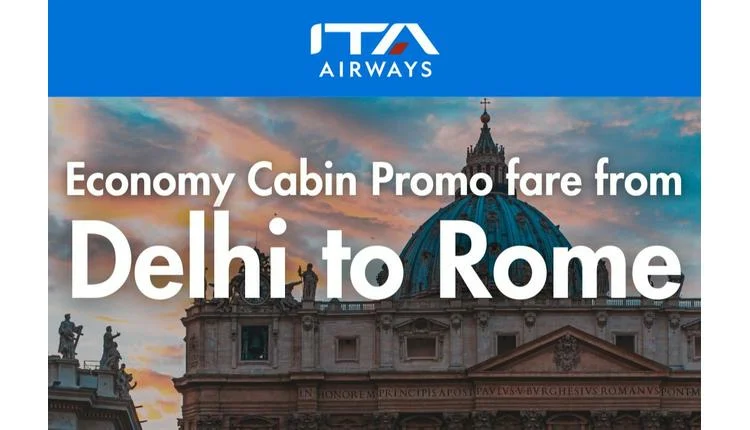
ITA Airways extends Delhi-Rome promo fares
ITA Airways, Italy's flagship carrier, has announced the extension of its promotional fares for flights from Delhi to Rome. The offer, available in the Economy Cabin, allows passengers to experience premium travel at a competitive price. The selling period for these fares is open immediately and will continue until 24 February 2026, with travel possible until 30 July 2026. The promotional fare is set at EUR 519, equivalent to INR 56,660, for a round trip. This offer is available across Saver, Base, and Flex brands, with the booking class designated as K. Notably, there are no blackout dates, providing flexibility for travellers planning their trips to the Italian capital. This initiative by ITA Airways is aimed at enhancing travel options for passengers originating from India, offering them a chance to explore Rome at an attractive price point. The fares are available through published distribution channels, and travel agents are encouraged to check their Global Distribution Systems (GDS) for further details. The extension of these promotional fares underscores ITA Airways' commitment to providing value-driven travel solutions for its customers. With no blackout dates and a wide travel window, the offer is expected to appeal to a broad range of travellers seeking to visit Italy This story was selected and published by a human editor, with content adapted from original press material using AI tools. Spot an error? Report it here.
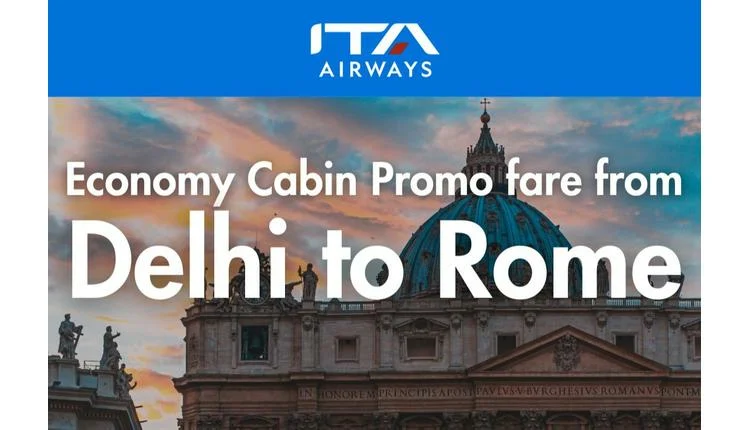
ITA Airways launches special fares from Delhi to Rome
ITA Airways, Italy's national airline, has announced a new promotional fare for flights from Delhi to Rome, providing an opportunity for travellers to experience premium travel at a reduced cost. The special offer is available for booking immediately and will remain open until 31 January 2026, with travel valid until 30 July 2026. The promotional fare is set at $557 (€527) or $667 (55,460 INR) for a round trip in the Economy Cabin, with no blackout dates, making it an attractive option for those planning a trip to Italy. The fare is available through published distribution channels, and interested travellers are encouraged to check their Global Distribution System (GDS) for more details. This initiative by ITA Airways aims to enhance travel accessibility between India and Italy, offering a seamless and cost-effective travel experience. The airline's decision to introduce this fare underscores its commitment to providing value to its customers whilst promoting tourism between the two countries. Travellers and travel agents can contact ITA Airways for further support and information regarding reservations and ticketing. The airline's office in New Delhi is open from 09:30 AM to 05:30 PM, Monday to Saturday, with additional support available after office hours via a toll-free number. This promotional offer is expected to boost travel between Delhi and Rome, encouraging more passengers to explore the cultural and historical richness of Italy. ```

‘Value is the new volume’: TAT New Delhi director outlines shift in India outreach
Khun Nattachit Oonsiam, Director of Tourism Authority of Thailand (TAT)-Mumbai Thailand is pivoting its 2026 India strategy toward "value-led growth," targeting a 10% increase in tourism revenue by prioritising high-spending travellers over sheer arrival volumes. Following a year where Indian arrivals surged to 2.48 million, the Tourism Authority of Thailand (TAT) is now shifting its focus toward increasing the length of stay and promoting secondary destinations to combat overtourism in hubs like Bangkok and Phuket. Travel Daily Media interviews Nattachit Oonsiam, Director, Tourism Authority of Thailand (TAT), Mumbai Office to find out more about the destinations marketing plans in India. Wat-Arun-Temple-Bangkok-Thailand Travel Daily Media (TDM): Thailand is a very popular destination with Indian tourists. To further promote the destination, what all campaigns did you launch in India in 2025? Can you also share the numbers of tourists that have visited Thailand in 2025 globally and statistics from India as well? Nattachit Oonsiam (NO): In 2025, our focus in India was on targeted engagement rather than broad-based promotion. Campaigns such as ASEAN + India Shoppers in Thailand, Living It Up in Thailand, and Celebrations with Care and Inner Shine, corporate and incentive group scheme were designed around evolving travel preferences of not just Indians but global travellers, including shopping, culture, food, weddings, and milestone travel. These were supported by sustained trade activity, roadshows, and familiarisation programmes, and aligned under the Amazing Thailand Grand Tourism and Sports Year 2025, which gave us a strong year-round cultural and experiential framework. Thailand welcomed 32.97 million international visitors in 2025. From India, arrivals crossed 2.48 million, marking a 17 per cent year-on-year increase and reinforcing India’s position as one of Thailand’s top three source markets. Chiang Rai - Wat Rong Suea Ten - Blue Temple TDM: Which parts of India are you getting the maximum tourists from? What are you doing to promote the destination in Tier-2 cities? Which are the main airlines that connect to your country from India? NO: Metros like Delhi, Mumbai, Bengaluru, Chennai and Hyderabad continue to be our strongest source markets, while Tier-2 cities like Nagpur, Kochi, Indore, Coimbatore etc are showing consistent growth. To support this, we expanded our trade efforts like workshops, sales calls to these cities with the aim to improve product knowledge and encourage more diverse itineraries even from Tier- 2 markets. Air connectivity plays a crucial role. Direct services by IndiGo, Air India, Thai Airways, Thai AirAsia, SpiceJet, and Thai VietJet now connect multiple Indian cities to Thailand’s key gateways. Combined with visa-free entry, this has supported repeat visits and family travel from across India. Scuba Diving at Koh Tao TDM: Going forward, what will be the direction of your marketing and promotional strategies for 2026? What are your targets for 2026? Which new source markets for tourism are you looking at in 2026? NO: Our approach for 2026 is firmly centered on value-led growth. We expect tourism to grow by a minimum of 10 per cent year-on-year, with a stronger focus on quality, length of stay, spends per person and experience depth rather than volume alone. India will remain a priority market, particularly for luxury travel, wellness, event-led travel, weddings & MICE. TDM: Seeing the progress that Thailand tourism has made, many other SE destinations are promoting themselves further for tourism. Which destinations are your competitors, and how well geared are you to face the competition? NO: Vietnam, Malaysia, Indonesia, and Singapore are all actively engaging the Indian market. Thailand’s advantage lies in its diversity and maturity as a destination. Beaches, cities, culture, wellness, and gastronomy can all be experienced within a single journey. Our focus is now on raising service standards, promoting sustainability, and highlighting secondary destinations alongside established hubs such as Bangkok, Phuket, and Chiang Mai, allowing Thailand to remain competitive while offering depth and balance. Phang Nga, Thailand TDM: Crowds and congestion completely destroy a destination and irk the locals. Which destinations in Thailand have succumbed to overtourism? What are you doing to reduce the same? NO: Destinations such as Bangkok, Phuket, and Pattaya do experience seasonal pressure at certain times of the year due to their popularity. Acknowledging this openly is important. Our focus has been on managing growth more responsibly so that tourism does not come at the cost of local communities or the environment. Measures include promoting secondary cities and regions to spread visitor flows, introducing capacity controls in environmentally sensitive areas, and strengthening community-led tourism so local stakeholders benefit directly. These efforts are supported by close coordination between provincial authorities, tourism bodies, and the private sector, with clearer visitor guidelines and improved infrastructure. The objective is to reduce pressure on key hotspots while maintaining a positive, well-managed experience for travellers. Railay beach, Krabi, Thailand TDM: How do you see the traveller profiles changing going into 2026? What new tourism trends will rule 2026? How can travel advisors get well prepared for the same? NO: Travellers are becoming more intentional in their choices. In 2026, we expect stronger demand for wellness travel, longer stays, regional exploration, hidden places and culturally immersive experiences, particularly among millennials and families. Travel advisors who move beyond standard packages and develop expertise in regional destinations and thematic travel will be better placed to meet these evolving expectations. Khao Sok National Park TDM: Can you share for our readers lesser-known beautiful destinations in Thailand worth exploring? NO: For travellers looking to venture beyond Thailand's most popular hubs, several destinations provide depth, character, and a strong sense of place. Nan: Known for its heritage temples and peaceful townscape. Mae Hong Son & Ban Rak Thai: Mountain landscapes and slow-paced village life & A Yunnan-influenced village with tea culture. Lampang: Preserved architecture and traditional charm. Chiang Rai and Doi Tung: Royal Gardens and Hill Country Views Trat (Koh Kood, Koh Mak and Koh Chang): Quiet beaches and low-impact island stays, Community-led tourism and relaxed island life Trang Islands: Pristine islands with limited development. Khao Sok National Park: It features ancient rainforest and freshwater landscapes. Kanchanaburi: Waterfalls, Caves, and Historical Sites These destinations promote slower travel and more evenly distributed tourism, thereby supporting long-term growth and providing visitors with more meaningful experiences. Surat Thani-Ko Samui-Bang Rak Beach
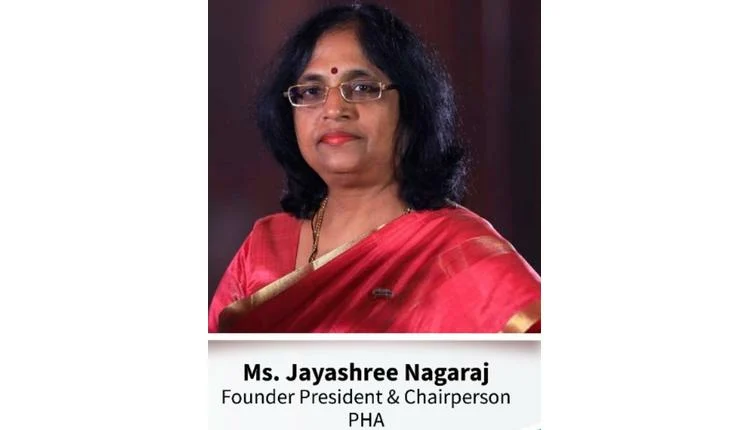
PHA hosts 8th National Housekeepers Convention in Delhi
The Professional Housekeepers Association (PHA) is set to host its 8th National Housekeepers Convention on 30 May 2026 at the Eros Hotel in New Delhi. This event will gather housekeeping professionals, hospitality leaders, and industry experts to discuss emerging trends and best practices in professional housekeeping. The convention, themed "Stewards of Standards," aims to highlight the evolving role of housekeeping leaders as custodians of quality, safety, and consistency in hospitality operations. The event will explore how housekeepers are now pivotal in upholding brand promises, ensuring guest trust, and driving sustainable practices. Building on the success of the 2025 convention in Bangalore, which attracted over 220 delegates, the 2026 edition is expected to draw more than 300 participants. The previous event featured strategic keynote addresses, case study presentations, and solution showcases, emphasising skill development and career pathways for housekeeping professionals. Jayashree Nagaraj, Founder President and Chairperson of PHA, stated, “Housekeeping has transitioned from a back-of-house function to a strategic pillar in hospitality operations. In 2026, we aim to deepen this conversation with actionable insights and practical solutions tailored to modern operational realities.” Bharti Singh Kalappa, National Vice President of PHA-North Chapter, added that the New Delhi edition will focus on operational innovation, sustainable practices, and technologies that enhance housekeeping performance. The convention will spotlight key trends such as AI-assisted workflows, sustainability standards, and digital quality assurance practices, positioning housekeeping leaders as drivers of excellence in modern hospitality. ```

delhicg
Delhi
Park Plaza Delhi CBD Shahdara
Park Plaza Delhi CBD Shahdara, Vishwas Nagar Extension, Vishwas Nagar, Shahdara, Delhi, India
The Leela Palace New Delhi
The Leela Palace, New Delhi, Delhi, India
Aloft New Delhi Aerocity
Aloft New Delhi Aerocity, Aerocity, New Delhi, Delhi, India
The Roseate New Delhi
The Roseate, National Highway 8, D Block, Samalka, New Delhi, Delhi, India

Jaypee Siddharth, New Delhi
Jaypee Siddharth - Hotel, Rajendra Place, New Delhi, Delhi, India
Radisson Blu Towers Kaushambi Delhi NCR
Radisson Blu Towers Kaushambi Delhi NCR, Kaushambi, Ghaziabad, Uttar Pradesh, India

Radisson Blu Kaushambi Delhi NCR
Radisson Blu Kaushambi Delhi NCR, Modipon Vihar, Sector14, Kaushambi, Ghaziabad, Uttar Pradesh, India
Roseate House Delhi
Roseate House, Northern Access Road, Aerocity, Hospitality District, Indira Gandhi International Airport, New Delhi, Delhi, India

Eros Hotel New Delhi Nehru Place
Eros Hotel New Delhi Nehru Place, Nehru Place, New Delhi, Delhi, India
Le Méridien Gurgaon, Delhi NCR
Le Méridien Gurgaon, Delhi NCR, Border, Sikanderpur, Sector 26, Gurugram, Haryana, India
Radisson Blu Plaza Delhi Airport
Radisson Blu Plaza Delhi Airport, Nh 8, near Mahipalpur Extension, Block R, Mahipalpur Village, Mahipalpur, New Delhi, Delhi, India
No Event found matching your search.
Return To Home