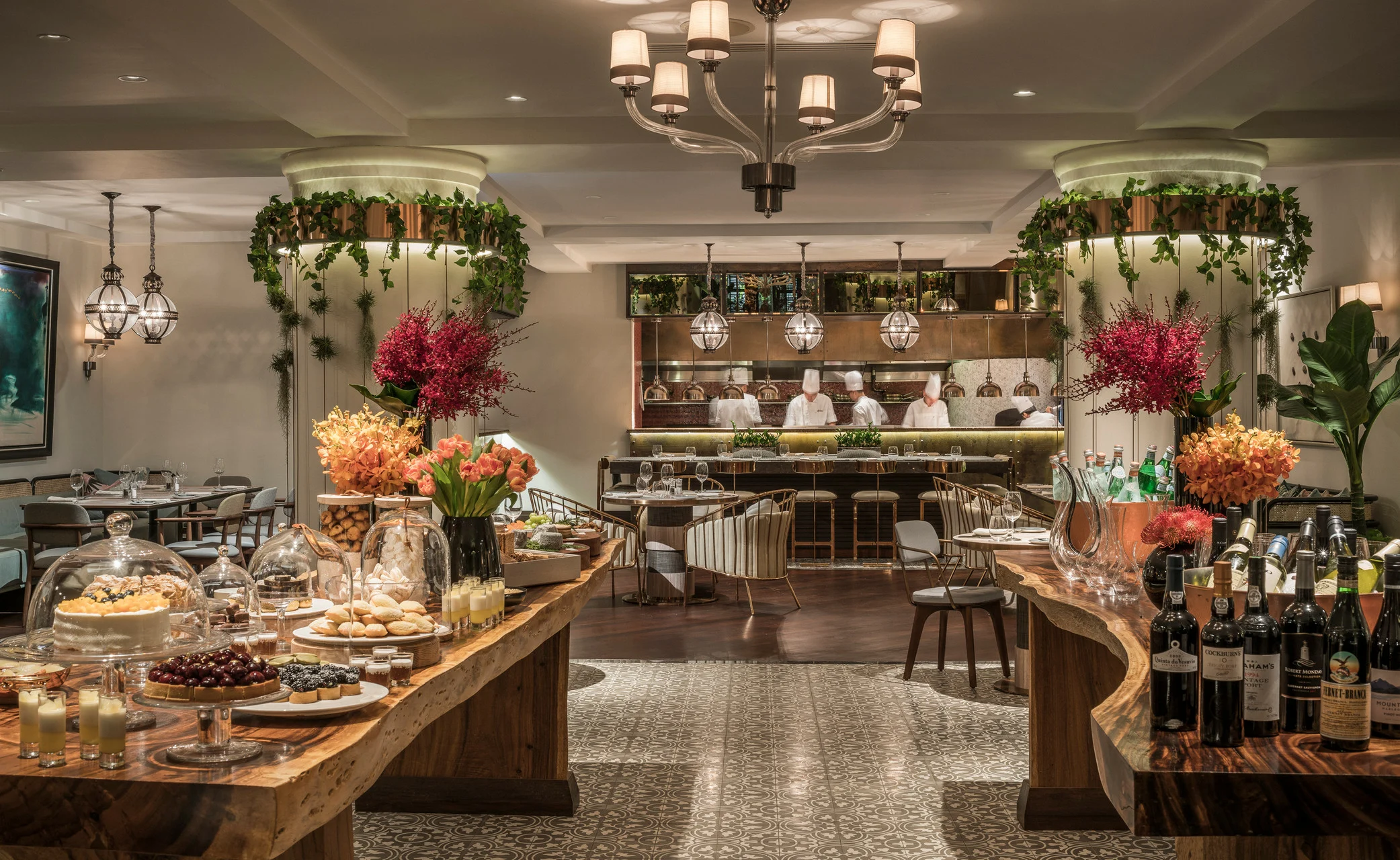
A seismic shift is underway across a hospitality landscape previously dominated by traditional western hotel empires.
The pinnacle of ultra-luxury travel is firmly shifting eastward, mostly fuelled by explosive wealth creation, cultural authenticity, and a nuanced understanding of modern luxury.
With that said, Asia is no longer merely a high-growth destination as it is rapidly emerging as the definitive global hub for luxury hospitality.
At the heart of this transformation are homegrown Asian powerhouses that continue to outpace their international rivals.
The power players
Brands such as Capella Hotels & Resorts, Mandarin Oriental Hotel Group, The Peninsula Hotels, Banyan Group, and Thailand's Minor Hotels have mastered the art of combining deep regional heritage with distinct, hyper-localized service models.
For example, Capella’s commitment to deep cultural immersiondemonstrates that today’s discerning traveler craves emotional resonance over standardized grandeur.
Similarly, Mandarin Oriental continues to expand its iconic footprint across Southeast Asia and China, while The Peninsula anchors its golden standard of asset ownership in gateway hubs like Hong Kong, Shanghai, and Manila.
Meanwhile, Banyan Group has crossed a landmark milestone of 100 resorts, scaling its eco-conscious luxury ethos worldwide, and Minor Hotels’ rapid lifestyle expansion continues to dominate regional market choice.
Service matters
Crucially, Asia’s competitive edge lies in its incomparable service philosophy.
Far from mechanical speed, Asian hospitality is rooted in intuitive awareness and genuine attentiveness.
Cultural philosophies like Japan’s omotenashi prioritize deep personal anticipation, creating high-touch, emotionally resonant guest experiences that traditional luxury frameworks struggle to replicate.
Key challenges
This cultural strength is matched by extraordinary economic dynamics.
A surge in high-net-worth and ultra-high-net-worth individuals across India, China, and Southeast Asia is driving robust domestic and intra-regional travel.
At the same time, affluent jetsetters from Singapore, Tokyo, Seoul, and Mumbai are embarking on more frequent, purpose-driven wellness and experiential journeys close to home.
To capture this demand, billions of dollars are pouring into visionary mega-developments. Integrated urban landmarks like Bangkok’s One Bangkok seamlessly blend elite residences, curated retail, and flagship hospitality.
Simultaneously, the horizon of luxury is expanding beyond mature hubs into high-growth secondary playgrounds across Bali, Vietnam, and the Philippines.
As regional investment soars and service paradigms evolve, Asia is doing far more than hosting the world’s luxury travelers.
Today, it is actively setting entirely new standards for the future of global hospitality.