Bangkok city scape at dusk. 90270Family / Shutterstock.com
Bangkok has the hotels, convention facilities, international connectivity and hospitality to compete with the region's leading business events destinations. Its appeal is reflected in Cvent's 2026 Asia-Pacific Top Meeting Destinations ranking, which places the Thai capital second in the region.
Thailand also holds leading positions in ASEAN for meetings and exhibitions, according to rankings cited by the Thailand Incentive and Convention Association (TICA).
However, the country's next MICE opportunity may lie in places and experiences that international event planners have yet to discover.
At RISE Thailand 2026, Cvent highlighted a significant digital visibility gap among Thai unique venues. Meanwhile, TICA president Prachoom Tantiprasertsuk outlined a broader vision for transforming Thailand's MICE industry through collaboration, innovation and trust.
Together, their perspectives point to an important shift: Thailand must move beyond attracting events and create a more competitive, accessible and sustainable business events ecosystem.
Thailand's hidden MICE venues offer untapped potential
One of the most striking findings presented at RISE Thailand concerned the digital visibility of the country's unique event venues.
A September 2026 survey by Cvent and Machwan, covering 100 Thai unique venues, found that 91% were not listed on any international venue discovery platform. Meanwhile, 87% relied mainly on Facebook to promote their properties. Only 4% offered 3D or virtual tours, while just 1% used digital diagrams.
The findings reveal a disconnect between Thailand's rich supply of distinctive event spaces and the way international planners search for them.
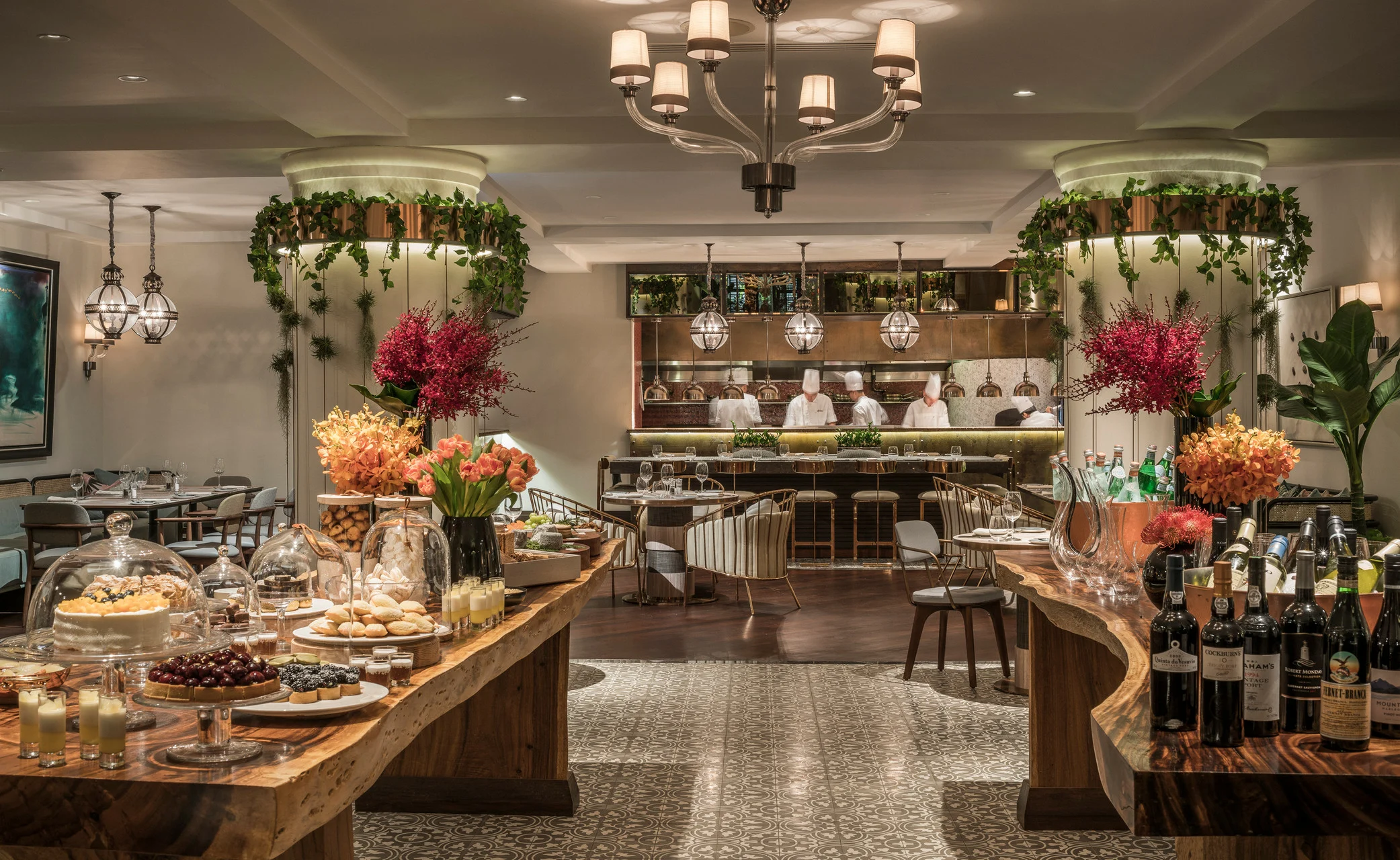
Beyond conventional hotel ballrooms, Thailand offers restaurants, heritage properties, cultural spaces, entertainment venues and other locations that can give corporate events a stronger sense of place. These venues can help organisers create memorable experiences for conference delegates and incentive groups.
Demand for alternative event spaces is growing. Cvent's 2026 Planner Sourcing Report found that 46% of Thai planners were sourcing special-event venues.
However, an attractive setting is no longer enough. Planners need to know whether a venue can accommodate their delegates, how its spaces can be configured and whether it offers the technical facilities required.
Cvent's research found that 66% of Thai planners said floor plans or diagrams influenced their decision to submit a request for proposal (RFP). A further 34% found it difficult to determine whether a venue was suitable, while 38% struggled to receive adequate responses within the required deadline.
For independent venues, these shortcomings can mean losing business before a potential client even visits the property.
AI transforms MICE venue discovery
Artificial intelligence (AI) is adding urgency to the need for better digital visibility.
Cvent highlighted that 86% of Thai planners use AI tools when sourcing venues. As AI-assisted searches become more common, hotels and independent operators need to ensure their online information is accurate, comprehensive and accessible to digital platforms.
Cvent outlined four steps for venues seeking to turn online discovery into bookings: be found, be understood, be pictured and be chosen.
The process starts with a complete digital profile, followed by detailed information about meeting capacities, room configurations, catering, audiovisual facilities and accessibility. Floor plans, event diagrams, 3D views and virtual tours then help planners visualise their events.
The final step is converting interest into business through timely and complete responses.
An example presented at RISE was Convene, a meeting-space hospitality brand operating 37 locations in the United States and the United Kingdom. In 2024, it received US$34 million in RFP value through Cvent, while awarded RFP value increased by 27%. It also created 9,600 event diagrams across 2,300 events.
The example demonstrates how digital tools can support venue sales by helping planners assess spaces before making a booking. For Thailand, better digital visibility could help independent venues compete more effectively with established hotel groups and reach international buyers beyond traditional referrals.
TICA calls for reinvention of Thailand's MICE industry
While digital transformation is changing how events are sourced, TICA believes Thailand's longer-term competitiveness depends on a broader reinvention of its tourism industry.

TICA president Ms Prachoom emphasised that recovery alone would not be sufficient to secure Thailand's future. The country needs to strengthen its value proposition, attract higher-value visitors and build trust among international travellers, event organisers and investors.
Tourism contributes approximately 20% of Thailand's GDP and directly employs more than seven million people, according to figures presented by Ms Prachoom. The MICE industry contributes an estimated THB319.9 billion, equivalent to 1.65% of GDP, supports more than 300,000 jobs and generates THB25.1 billion in tax revenue.
Beyond direct spending, MICE tourism supports year-round travel, knowledge sharing, infrastructure development and local economic activity.
Thailand retains several competitive advantages, including its internationally recognised tourism brand, geographical diversity, Thai hospitality, cultural heritage and improving infrastructure. Its value-for-money proposition also remains attractive despite rising costs.
However, changing traveller expectations and stronger regional competition mean these strengths cannot be taken for granted. Visitors increasingly seek meaningful experiences, wellness, authenticity, sustainability, personalisation and convenience. Shorter booking windows and higher service expectations are also reshaping the industry. Her central message was that Thailand must move beyond recovery and reinvent its tourism proposition to attract higher-value business.
Building a trusted Thailand MICE destination
At the centre of TICA's vision is a proposal to position Thailand as Asia's most trusted destination for living, investing, innovating and experiencing authentic culture.
The proposed destination brand is built around six pillars of trust: reliability, authenticity, responsibility, safety and security, credibility, and sustainability.
For international event organisers, these qualities matter as much as attractive venues and competitive hotel rates. Organisers need confidence that events will run smoothly, delegates will be safe, transport will be reliable and suppliers will deliver what they promise.
Ms Prachoom also identified eight priorities for the future of Thailand's tourism and MICE industry: people development, technology and digital transformation, infrastructure and accessibility, regulatory reform, safety and security, sustainability, the creative economy and stronger collaboration through Team Thailand.
People remain central to this approach. Technology can improve efficiency, but trained professionals deliver the personal connections and memorable service that distinguish Thailand from competing destinations.
Creative economy and regional expansion drive new MICE opportunities
Thailand's creative economy offers another opportunity to differentiate its MICE proposition.
The country's strengths in cuisine, culture, entertainment, fashion, wellness and design can provide distinctive experiences for international delegates. She also highlighted opportunities in digital content, gaming, animation, film production, music, architecture, food innovation and creative tourism.
These industries can help organisers move beyond conventional conference programmes by combining business meetings with local experiences and opportunities to engage with Thai culture.
Regional expansion is equally important. Ms Prachoom outlined an ambition to extend MICE activities beyond Bangkok to 16 secondary cities, creating opportunities to distribute tourism revenue and business activity more widely.
Achieving this will require continued investment in roads, railways, airports and reliable internet connectivity, alongside stronger accommodation, meeting facilities and professional services.
Regulatory reform and more efficient government approval processes will also be necessary to make it easier for organisers to stage events across different destinations.
Sustainability and carbon-conscious practices are becoming increasingly important as international buyers place greater emphasis on responsible event management.
Thailand's MICE strategy shifts towards investment and economic impact
Thailand's MICE strategy is evolving beyond attracting events and generating visitor spending.
The future direction outlined by Ms Prachoom positions MICE as an economic catalyst, ecosystem builder, strategic integrator and multiplier of local economic impact.
This means connecting business events with trade, investment, innovation and knowledge exchange, while strengthening Thailand's position in high-value industries.
The country's international rankings provide a strong foundation. Figures cited in the TICA presentation placed Thailand 24th globally and first in ASEAN for meetings in the ICCA 2025 rankings. It also ranked first in ASEAN for exhibitions according to UFI.
Bangkok placed second in Asia-Pacific for meetings in Cvent's 2026 rankings, while Thailand topped the Asia MICE Destination Index 2025, ahead of Singapore and Taiwan, according to the presentation.
Nevertheless, further progress is needed in creative soft power, decarbonisation, advanced technology, sustainability and urban quality of life to maintain this competitive position.
The discussions at RISE Thailand 2026 underline a common message: Thailand already has many of the ingredients to remain a leading business events destination, but its next phase of MICE growth will depend on how effectively it connects these strengths.
For a country with an established MICE reputation, the next competitive advantage will come from making its venues easier to discover, its destinations more accessible and its experiences more meaningful. Ultimately, success will be measured not only by the number of international events hosted, but also by the investment, knowledge and lasting economic benefits they bring to Thailand.