South Korea's foodservice sector, known as HoReCa (Hotels, Restaurants, and Catering), experienced substantial growth in 2023, reaching a value of approximately $146.7 billion, an 8.3% increase from the previous year, according to the USDA Foreign Agricultural Service. This growth is largely fuelled by rising consumer spending on dining out, which saw a more than 6% increase in 2024 compared to the previous year, and a 17% rise from 2022. Dining out now constitutes nearly 15% of total household expenditure, with almost half of all food and beverage spending directed towards the HoReCa sector.
As the market expands, the foodservice sector's expectations are evolving. Restaurants and catering companies are increasingly seeking products that offer consistent quality, reliable supply, and versatility. This shift is reflected in the growing popularity of "cheapremium" offers, which combine affordability with high quality, influencing menu development and product selection.
The demand for products used in professional kitchens is also rising, highlighting the importance of stable supply sources. Notably, South Korea imported over 30% more poultry meat from the European Union in January and February 2026 compared to the same period the previous year, indicating a growing interest in EU poultry.
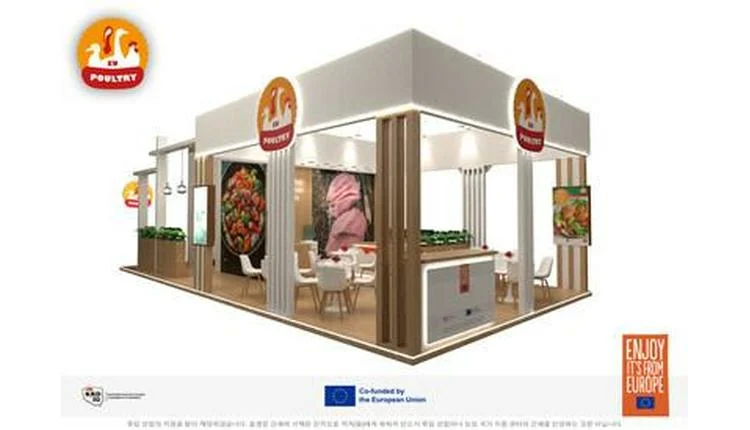
In response to this demand, EU poultry producers will showcase their offerings at the Seoul Food & Hotel 2026 trade fair from 9 to 12 June. Dariusz Goszczyński, President of the National Poultry Council in Poland, emphasised the importance of this event for engaging with partners and presenting European poultry as a modern foodservice solution. The European Poultry campaign, co-financed by the EU, aims to promote the quality and transparency of European poultry production
This story was selected and published by a human editor, with content adapted from original press material using AI tools and checked by the editor before publication. Spot an error? Report it here.