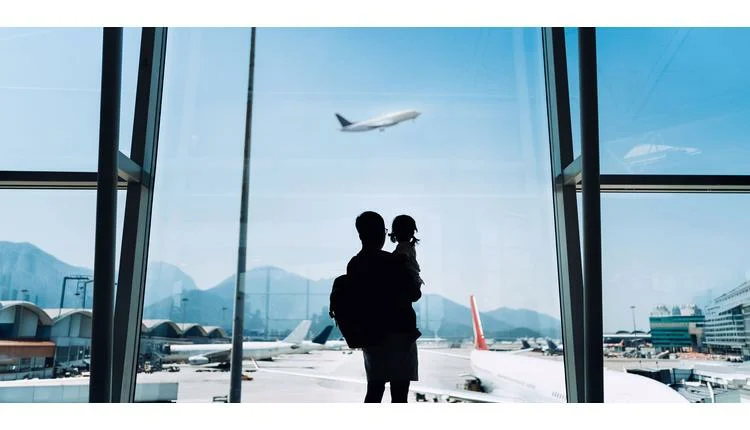
The aviation industry is gearing up to handle 10 billion passengers annually by 2050, according to SITA's Impact Report 2025. The report outlines how technology, rather than infrastructure expansion, is key to managing this growth. SITA's CEO, David Lavorel, emphasised the industry's shift towards software solutions to enhance capacity and efficiency without the need for new airports or fleets.
SITA's report reveals significant advancements in border processing and AI integration. In Singapore, residents now pass through immigration in just 10 seconds using biometric technology, whilst Aruba has reduced border processing times by 78% through digital travel credentials. AI is also playing a crucial role, with SITA OptiFlight saving 127,732 tonnes of fuel in 2025 by optimising flight paths for 59 airlines.
The report highlights the industry's resilience in the face of disruptions. AI-driven tools at Toronto Pearson and Abu Dhabi Airports have improved turnaround times, whilst SITA's systems ensured uninterrupted operations during the CrowdStrike outage. Additionally, the partnership with Apple and Google has reduced lost luggage by 90% for airlines using SITA's WorldTracer® system.
SITA's financial performance reflects its strong customer relationships, with a 7% revenue increase to $1.71 billion (US$1.71 billion) in 2025. The company continues to invest in research and development, aiming for a 4.2% annual reduction in emissions and targeting net zero by 2050. The full SITA Impact Report 2025 is available online, detailing these transformative changes in the aviation sector
This story was selected and published by a human editor, with content adapted from original press material using AI tools and checked by the editor before publication. Spot an error? Report it here.