


Britain's monarchy may inspire a more complicated debate at home, but overseas it remains one of the country's most recognisable calling cards. Buckingham Palace, Windsor Castle, the Tower of London, Westminster Abbey and the Changing of the Guard occupy a space in the international imagination that few tourism campaigns could create from scratch. Royal weddings, jubilees, funerals and coronations have reinforced that familiarity, broadcasting Britain's palaces, pageantry and history to audiences far beyond its traditional visitor markets.
For VisitBritain and the wider inbound travel industry, the commercial appeal is straightforward. Visitors do not have to be monarchists to want to see where kings and queens lived, watch guards march through London or stand inside buildings that have witnessed centuries of British history.
That distinction has become increasingly relevant as domestic attitudes towards the monarchy have shifted. A Reuters Breakingviews analysis in January 2026 noted that 51% of Britons regarded the monarchy as important, compared with 75% in 2012. Yet declining enthusiasm for the institution among parts of the British public has not removed the pull of royal heritage for international travellers.
Palaces and castles remain serious tourism business
Royal tourism is difficult to isolate as a standalone market. A visitor to Windsor may be interested in the Royal Family; another may come for the architecture. Someone buying a ticket for the Tower of London might be drawn by the Crown Jewels, medieval history or simply one of London's best-known attractions.
Around 11.2 million overseas visitors went to castles or historic houses in 2024, equivalent to 29% of inbound visitors, according to UK government figures citing VisitBritain and International Passenger Survey data. The Tower of London, where the Crown Jewels provide one of the most direct links between tourism and the monarchy, was England's most visited paid attraction in 2024. It welcomed 2.9 million visitors, 4% more than in 2023 and only 3% below its 2019 level, according to VisitEngland's annual attractions survey.
Buckingham Palace is drawing larger numbers too. The Guardian reported in June 2026 that a record 683,000 people visited the palace in 2024-25. The building is undergoing a £369 million refurbishment scheduled for completion in 2027, with plans for greater public access.
That could change the palace's role in London's visitor economy. King Charles III does not plan to make Buckingham Palace his principal residence, but it will continue to host state occasions and official functions while opening more of the building to visitors. In tourism terms, that creates inventory. More rooms, more tours and potentially more reasons to return.
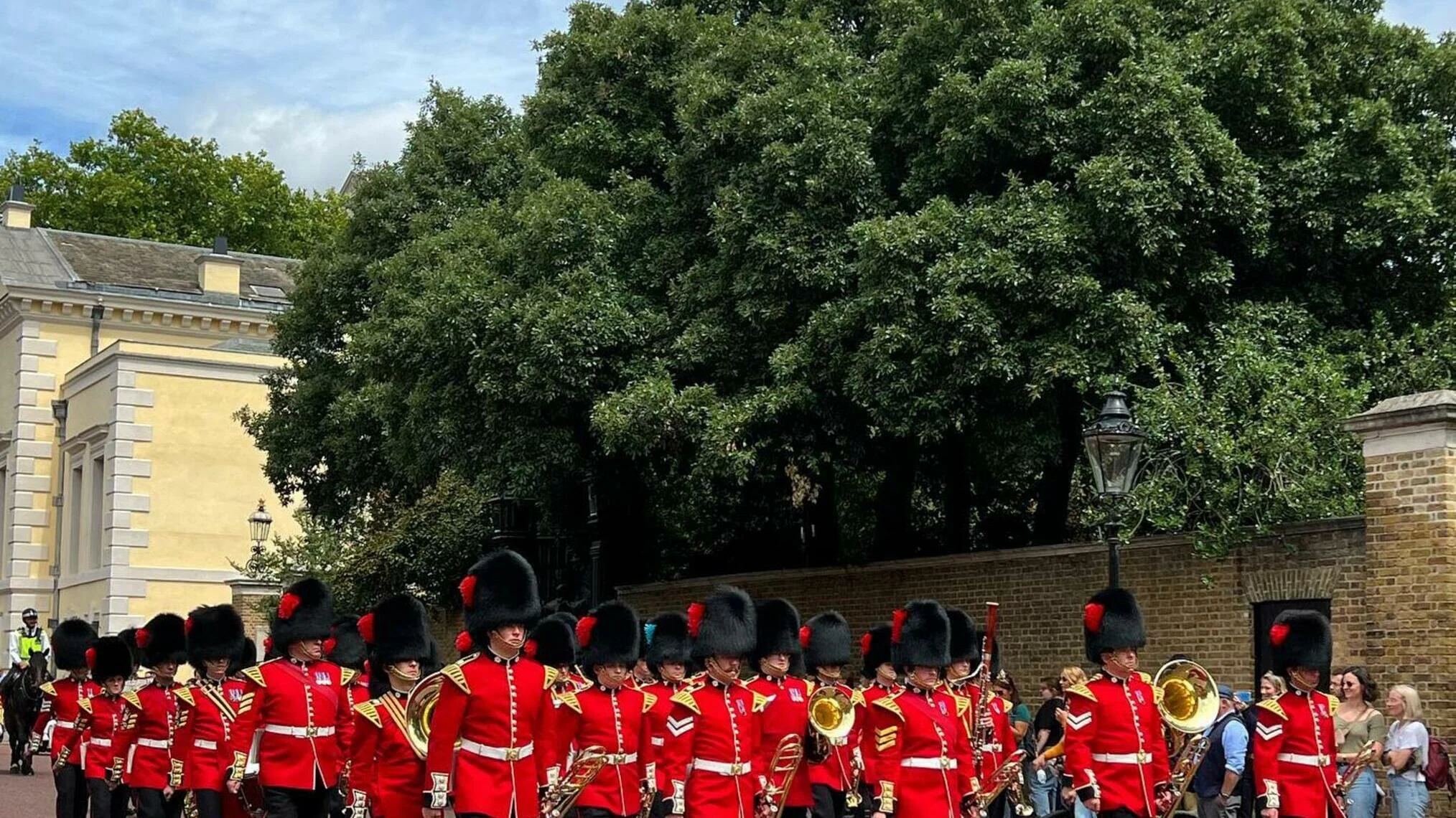
The monarchy gives Britain something money cannot easily buy
The monarchy's biggest contribution to destination marketing, however, may happen outside palace gates. Major royal occasions deliver extraordinary international exposure. The coronation of King Charles III in 2023 turned central London into the backdrop for days of global television coverage. The funeral of Queen Elizabeth II had done much the same months earlier, albeit under very different circumstances.
This is where royalty becomes particularly valuable to destination marketers. Britain receives global exposure without the event itself being a tourism advertisement. Ahead of the coronation, VisitBritain used the ceremony to place what it called "destination Britain" in the international spotlight, drawing attention to the country's history, heritage and cultural attractions. The organisation's research has repeatedly identified those attributes as important motivations among potential visitors.
The effect is particularly relevant in long-haul markets, where royal Britain remains highly recognisable. The United States is the prize. VisitBritain expects US visitors to spend about £7.5 billion in Britain in 2026, with more than £1 in every £5 spent by overseas visitors coming from the American market.
That makes familiar British imagery commercially useful. Buckingham Palace can get Britain onto a traveller's consideration list; the challenge is converting that recognition into a longer, higher-value itinerary.

VisitBritain sells the story, not just the palace
VisitBritain's Royal Britain content does not treat Buckingham Palace as an isolated London attraction. Windsor Castle, Kensington Palace, Hampton Court Palace, the Palace of Holyroodhouse and Balmoral sit within a wider collection of royal experiences, alongside parks, ceremonies and historic routes.
A visitor initially drawn to Buckingham Palace can be encouraged towards Windsor; an Edinburgh itinerary can incorporate Holyroodhouse; Scotland's royal associations can extend into the Highlands through Balmoral. The monarchy becomes a route into regional Britain rather than simply another reason to spend an afternoon in central London.
For tour operators, hotels and destination management companies, that is where royal tourism becomes more interesting. The value is not merely the £30 or £40 attraction ticket. It lies in accommodation, transport, guides, restaurants, retail and additional attractions attached to a multi-day itinerary.
There is also considerable overlap with another tourism asset VisitBritain is exploiting aggressively: Britain's screen presence.
Its international "Starring GREAT Britain" campaign uses locations seen in films and television programmes to encourage visitors to explore the country. VisitBritain says nine out of 10 potential visitors surveyed are interested in visiting film or television locations.
Royal Britain fits comfortably into that strategy. Decades of films, documentaries and television dramas have made palaces, country estates and royal history familiar to viewers who may have little direct knowledge of Britain itself. The tourism sell no longer starts only with history books or newspaper photographs. Increasingly, it starts on a screen.
Royal tourism matters more in a tougher inbound market
The timing is important because Britain's inbound sector cannot take growth for granted. VisitBritain's original 2026 forecast projected 45.5 million inbound visits, up 4% on 2025, with spending reaching £35.7 billion, a 7% increase in nominal terms. The tourism agency subsequently warned that geopolitical disruption was weighing on bookings and said its mid-year forecast was likely to be downgraded.
Long-haul demand has been particularly uneven. VisitBritain's May assessment found long-haul bookings over the previous eight weeks running 10% below the previous year, with North American bookings down 6%, although autumn bookings were tracking ahead. In that environment, established destination assets carry more weight. Britain is competing with European destinations offering warmer weather, often lower prices and increasingly sophisticated cultural tourism products. Royal heritage is one area where competitors cannot offer an equivalent.




