

Search Results forsabre

Sabre Hospitality unveils AI integration with SynXis Booking Engine
Sabre Hospitality announced the latest enhancements to SynXis Concierge.AI, extending AI capabilities to the SynXis Booking Engine. This integration provides instant, intelligent responses across key guest-facing hotel channels – including websites, email, social platforms, and voice. Concierge.AI is managed and monitored through a unified inbox that delivers powerful insights to drive conversions, increase website engagement, and streamline operations – saving both time and cost. Hotels can configure the solution at chain, brand, or property level, ensuring consistency and control across their portfolio. “A year ago, we launched SynXis Concierge.AI within our Customer Care & Delivery team to provide faster, more accurate support. At the time, we said our goal was to thoughtfully expand AI across our portfolio to truly move the needle for hoteliers and their guests,” said Scott Wilson, President, Sabre Hospitality. “We’re now beginning early adopter testing of Concierge.AI within the SynXis Booking Engine this June, and next month, we’ll make it available via the Community Portal – placing this capability directly in our customers’ hands. With deep integration into the booking engine, this delivers a seamless, elevated guest experience.” Key new features of SynXis Concierge.AI include: ▪ Booking Agent – An AI-driven chatbot embedded within SynXis Booking Engine that handles real-time queries, room recommendations, booking support, FAQs, and local suggestions. Available in over 50 languages, it delivers quick, personalised responses that increase conversion rates, reduce booking abandonment, and capture direct bookings that might otherwise go to OTAs. ▪ Email Automation – Uses generative AI to process large volumes of guest emails by extracting key travel information (such as travel dates or party size) and generating personalised offers. This boosts response speed, booking efficiency, and eases staff workload. ▪ Social Connect – Facilitates AI-powered guest engagement across major social platforms including Facebook, Instagram, Messenger, and WhatsApp Business. Managed via a single inbox, it enables consistent brand messaging and provides valuable insights into guest sentiment and emerging trends. ▪ Voice Connect – Integrates an AI phone agent into hotel telephone systems, offering 24/7 support for enquiries, bookings, and call transfers. This increases operational efficiency while providing personalised service over the phone. “Since opening our flagship property 160 years ago – the first hotel to feature air conditioning, hydraulic lifts, and hot and cold running water in guest rooms – innovation has always been at the heart of our approach,” said Sean Seah, Senior Vice President – Strategy, Technology and Innovation, Langham Hospitality Group. “Sabre’s SynXis Concierge.AI solution significantly enhances our ability to respond to multilingual guest enquiries and booking requests, while preserving the intuitive, human touch that defines our service.” Amy Read, Vice President of Innovation at Sabre Hospitality, added: “We equip hoteliers with tools to engage travellers with speed, yet always with a human feel. SynXis Concierge.AI enables them to scale service, increase conversion, and operate more efficiently – all without compromising the guest experience. What differentiates these tools is their capacity to merge automation with personalisation, empowering hotels to retain their unique brand voice while enhancing efficiency. As personalisation deepens, we remain focused on delivering solutions that allow brands to lead the narrative – blending intelligent automation with controlled support.”

Vietravel Airlines renews its Radixx contract with Sabre
Vietravel Airlines formally renewed its Passenger Service System (PSS) agreement with global traveltech firm Sabre Corporation today, 9th June. The Vietnamese carrier signed for another five years with Sabre’s Radixx PSS, proof that the technology has helped boost its growth. Airline CEO Vu Dao Duc said of the renewed partnership: “The Radixx platform has equipped us for scale, while enhancing the service experience for our passengers. As we continue to grow, we’re confident Sabre’s technology will continue to power our ambitions.” Sabre’s head of Radixx sales and account management Nico Stoman likewise remarked: “This renewal is a testament to the strength and value of the Radixx platform. We’re proud to continue to support Vietravel Airlines with powerful, retail-driven solutions that scale with their ambitions. This agreement reflects their commitment to digital innovation and underscores Sabre’s role in enabling next-generation carriers to deliver more dynamic, customer-focused experiences.” How Radixx helps Vietravel Airlines reach its goals Sabre’s Radixx PSS offers end-to-end retailing, passenger servicing, and operational capabilities. With it, Vietravel Airlines will continue to use a comprehensive suite of Sabre’s advanced Radixx technology, including: Radixx Res for core passenger services and retailing capabilities, Radixx EzyCommerce for a seamless, omni-channel digital experience, Radixx Go for efficient airport and departure control operations, and Radixx Insight for actionable analytics and decision-making support. The technology allows Vietravel Airlines the option to add further loyalty and data capabilities as well as providing access to new markets through Global Distribution System (GDS) channels and interline/codeshare agreements with airline partners, bringing additional revenue opportunities. Vietravel Airlines also recently integrated Sabre’s Payment Gateway into its Radixx PSS solution, enhancing its payment methods and providing a more flexible and diverse range of payment options for customers.

Sabre Hospitality’s digital gift cards to boost revenues for Australia’s Golden Chain
Sabre Hospitality just announced a new agreement to provide digital gift card capabilities to Golden Chain, one of Australia’s largest accommodation chain brands. In the announcement made today, 5th June, Sabre pointed out that this partnership aims to create additional revenue streams and drive sustainability by providing a more efficient redemption process for customers and streamlined record keeping for the business. Sabre Hospitality senior vice-president and global managing director for commercial Frank Trampert said: “Golden Chain is a phenomenal partner that is committed to finding sustainable business solutions and keeping their customers’ needs top of mind.” Golden Chain’s global sales manager Tony Smith added: “It is imperative Golden Chain be 100 percent digital, instead of manually issuing and mailing gift cards and vouchers. We selected Sabre Hospitality’s gift card solutions because it offers a sustainable approach to redemption and record-keeping, creating a modern and eco-friendly gifting experience.” Making a difference Sabre Hospitality's Gift Cards & Vouchers programme offers hotels a comprehensive, fully managed solution to generate additional revenue and enhance guest engagement. The solution enables the sale of digital and physical gift cards and vouchers for on-property experiences through branded storefronts integrated directly into a hotel's website. Additionally, it allows for the management of multiple property stores, products, and logistics from a single, centralized system, streamlining operations and improving staff efficiency. According to Trampert: “Digital gift cards and vouchers are a perfect solution for gift-givers seeking a personalized option that still offers the recipient complete flexibility. Golden Chain joins hotels worldwide, leveraging Sabre Hospitality’s Gift Cards & Vouchers to help improve customer satisfaction with amazing property experiences with just a click of a button.” Sabre Hospitality’s Gift Card & Voucher customers receive advanced reporting and analytics with dedicated dashboards featuring real-time tracking and automated reporting on sales, order values, best-selling items, and redemption metrics, providing valuable insights for strategic decision-making. Also, the solution supports various payment methods with direct payouts in local currencies and offers recipients easy storage and redemption through Apple Wallet. Smith further pointed out: “Sabre Hospitality also offers flexible pricing that involves no setup fees, allowing hotels to pay only when they profit, and effectively helping us to manage costs while maximizing revenue potential.”

SalamAir partners with Sabre
Sabre Corporation announced a new agreement with SalamAir, Oman’s leading low-cost carrier. This collaboration will utilize Sabre’s marketplace to enhance SalamAir’s global visibility, expand its market reach, and drive revenue growth. Through this agreement, SalamAir’s flights and services will be made available to travel agencies worldwide via Sabre’s extensive global distribution network. This strategic move enables SalamAir to connect with new customer segments, increase bookings, and further solidify its position in the regional aviation market. For Sabre, the partnership underscores its commitment to empowering airlines in the Middle East and beyond with cutting-edge travel solutions. “Our partnership with Sabre marks a significant milestone in SalamAir’s growth journey,” said Steven Allen, Chief Commercial Officer at SalamAir. “By utilizing Sabre’s robust global distribution platform, we aim to achieve greater global visibility, reach new markets, and offer our affordable travel options to a wider audience.” Sabre’s strong presence in the Middle East, combined with its global distribution capabilities, positions it as a trusted partner for airlines looking to expand their operations. Recently, SalamAir renewed its long-term agreement with Sabre for the Radixx Reservation System, further reinforcing Sabre’s credibility and reliability as a technology partner. SalamAir has been a Radixx customer since 2017, using the reservation system to streamline passenger booking and operational efficiency. “We are thrilled to deepen our relationship with SalamAir through this new distribution partnership,” said Alessandro Ciancimino, Vice President, Airline Distribution, EMEA at Sabre Travel Solutions. “Our global distribution network will enable SalamAir to connect with travel agencies and travelers worldwide, providing the tools they need to scale their operations and achieve their ambitious growth targets. We look forward to supporting their continued success.” This partnership reflects SalamAir’s rapid growth within the region and its commitment to scaling operations to meet increasing demand. By utilizing Sabre’s technology, SalamAir is well-positioned to achieve its vision of becoming a leading low-cost carrier while enhancing customer experiences and driving profitability.

Maneesh Jaikrishna is Sabre’s new VP for airline IT solutions in the Asia Pacific
Global travel technologies firm Sabre Corporation announced the appointment of Maneesh Jaikrishna as its new vice-president and general manager for airline IT solutions in the Asia Pacific. Jaikrishna’s appointment was announced earlier today, 2nd June. An industry veteran with close to 30 years of experience in the field, Jaikrishna will leverage his extensive knowledge of the Asia Pacific aviation sector in his new role. This latest appointment reflects Sabre’s strong commitment to accelerating growth and innovation in Asia Pacific which is a key strategic market for the company. Proven leadership At the same time, Jaikrishna also brings a valuable wider perspective into regional operations, having led operations across the Middle East and Africa. According to senior vice-president for commercial and services in airline IT Darran Rickey: “Maneesh joins Sabre at a pivotal time for the aviation industry. His deep regional expertise, customer focus, leadership experience and passion for innovation will play a key role in helping our airline partners across Asia Pacific transform their operations and deliver better outcomes for travellers and businesses alike.” For his part, Jaikrishna was moved to remark: “I am honoured to take on this role and lead Sabre’s airline business in Asia Pacific. The region represents a powerful combination of growth, innovation, and diversity. I look forward to working closely with our customers and partners to help them thrive in a rapidly evolving travel landscape.” Meet Maneesh Jaikrishna Jaikrishna is a respected thought leader in the travel and transport technology space, known for championing collaboration, digital transformation, and customer excellence. He has held senior leadership roles at companies including SITA and, most recently, biometrics business Vision-Box, leading high-growth initiatives and building strong customer ecosystems by aligning technology and innovation with commercial value. He is recognised as a strategic people-centric leader who delivers results and builds long-term value.

Sabre Hospitality tech to showcase Japan’s Minacia to global travel agents
Sabre Hospitality formally signed an agreement with rapidly emerging Japanese hospitality brand Minacia Co, Ltd. The deal further strengthens Sabre Hospitality’s presence in the Japanese market, and enables Minacia to showcase its properties and offers to a global network of travel agents and their clientele. Sabre Hospitality’s senior vice-president and global manager for community sales Frank Tampert declared: “We’re proud to support Minacia’s growth strategy. By choosing our GDS and Channel Connect solutions, Minacia is well-positioned to reach new customers and offer seamless booking experiences to travel agents and travellers globally.” What the agreement entails Minacia joins a growing number of hospitality brands in Japan, and across the world, who have chosen Sabre Hospitality’s reservation and distribution technology to grow their business. Under the agreement, Minacia will list its hotel inventory on Global Distribution Systems (GDSs), including Sabre’s global travel marketplace, as well as connect to Online Travel Agencies (OTAs) through Sabre Hospitality’s Channel Connect, making its properties easily bookable worldwide. Minacia operates 38 hotels across major Japanese cities, including the renowned Hotel Wing International brand and Tenza Hotels, and has plans to expand further. Minacia CEO Kaz Shimojima said: “Since opening our first Hotel Wing in 1990, we have been expanding our hotel and restaurant business nationwide, evolving our unique concept of a synergy between food and lodging. The origin of the word Minacia is the phrase ‘everyone happy,’ so we’re excited to be able to bring our unique hospitality concept to a wider global audience through Sabre Hospitality, giving us the opportunity to welcome more guests from around the world.”
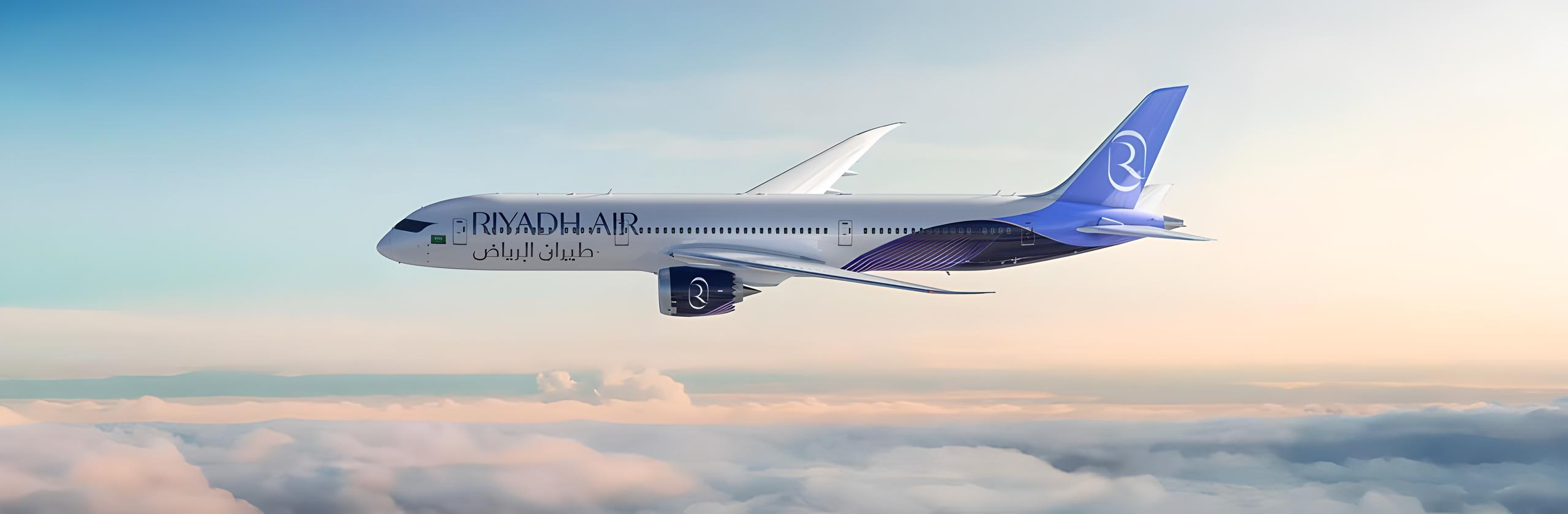
Riyadh Air partners with Sabre
Sabre Corporation has entered into a global distribution agreement with Riyadh Air, the newly established national carrier of Saudi Arabia. This strategic partnership establishes Sabre as Riyadh Air’s first global distribution partner, building on an already strong IT relationship and further reinforcing Sabre’s role as a key enabler of the airline’s retailing and distribution ambitions. The collaboration will enable Riyadh Air to harness Sabre’s advanced technology solutions, including its multi-source content distribution approach, which seamlessly integrates New Distribution Capability (NDC) content alongside traditional content. This will help the airline accelerate its retailing and distribution strategy. Through this partnership, Riyadh Air will be able to deliver dynamic, personalised travel offers, reaching a global network of travel agents, corporate buyers and end customers. By accessing Sabre’s extensive global marketplace, Riyadh Air gains powerful tools to drive operational efficiency, broaden market reach and provide travellers with tailored, real-time experiences. “Sabre is ideally placed to support Riyadh Air’s retailing and distribution strategies,” said Alessandro Ciancimino, Vice President, Airline Distribution, EMEA, Sabre Travel Solutions. “With our multi source content approach integrating NDC with traditional offerings, we deliver scalable, personalised solutions that align with Riyadh Air’s ambitious growth trajectory. Our strategy ensures seamless access to the most relevant content, enabling Riyadh Air to modernise the travel experience and meet the evolving expectations of today’s travellers.” Since its inception, Riyadh Air has led innovation in aviation, aspiring to become the world’s first digitally native airline. This partnership underscores Riyadh Air’s commitment to delivering exceptional customer experiences through cutting-edge technology and seamless retailing strategies. “Partnering with Sabre marks a pivotal milestone in our mission to redefine travel retailing and distribution,” said Vincent Coste, Chief Commercial Officer, Riyadh Air. “Sabre’s expansive global reach and innovative technology will empower us to engage with travellers worldwide while enhancing their booking journeys through dynamic, personalised content. This collaboration not only supports our retailing vision but also complements our earlier selection of SabreMosaic™, reinforcing the foundation for a long-term partnership and positioning us for rapid global growth.” This agreement extends the strategic alliance between Sabre and Riyadh Air, which already includes the airline’s adoption of SabreMosaic™ for its Offer Management capabilities. SabreMosaic™ enables Riyadh Air to optimise offers and provide a highly personalised traveller experience. This technology, combined with Sabre’s robust distribution platform, enhances the airline’s ability to generate revenue and boost customer satisfaction across its international network.

Agents can now access Skytrans content via Sabre
Content from Australian airline Skytrans is available via travel tech firm Sabre’s digital marketplace. Thanks to this development, agents can now access Skytrans fares and offers through a highly efficient system that allows them to seamlessly shop and book flights and routes with the airline. This is expected to significantly expand Skytrans’ reach and business growth, allowing the airline to distribute fares and ancillary content to Sabre-connected travel agencies and corporate travel buyers in Australia. Furthermore, this collaboration also strengthens Sabre’s position in the Australian marketplace, offering Sabre-connected travel sellers access to more diverse domestic airline options to create personalized offers for travellers. A necessary development Skytrans provides flights between Cairns, Cape York and the Whitsunday Coast. In line with its growth strategy and commitment to meeting traveller demand, the Queensland carrier will soon commence flying from Sydney to Lord Howe Island, a UNESCO World Heritage Site. As part of Avia Solutions Group, the airline has also added new Airbus A319 aircraft to its fleet. Airline revenue and network manager Paul Williams remarked: “Choosing to join Sabre’s global travel marketplace is an important milestone for Skytrans, with the addition of Sydney to Lord Howe flights and growing interest in our other destinations.” For his part, Sabre Travel Solutions vice-president for agency sales and airline distribution in the Asia Pacific Brett Thorstad expressed delight over welcoming Skytrans into the Sabre global marketplace, adding that it will help grow their core business. Thorstad said: “This agreement underscores our commitment to enable airlines of all sizes to offer more choice and flexibility to travellers, whether they want to explore major cities or more remote destinations.”

Jennifer Catto appointed executive vice-president and chief marketing officer at Sabre
Travel technology firm Sabre Corporation recently announced the appointment of Jennifer Catto as its new executive vice-president and chief marketing officer. As part of Sabre’s Executive Leadership Team, Catto will take an active part in developing the company’s global marketing strategy and brand. Her work is expected to help drive growth, deepen customer engagement, and position Sabre for the future. According to Sabre president and CEO Kurt Ekert: "Jennifer’s appointment reflects our commitment to bold, strategic leadership as we accelerate Sabre’s journey to become the premier technology platform in travel. She blends creativity, operational focus, and a deep understanding of digital transformation in a way that is rare to find. With Jennifer’s leadership, we will enhance Sabre’s brand, deepen engagement with our customers and partners, and amplify our differentiated value in the marketplace." A wealth of experience Catto joined Sabre in February of this year, bringing more than 25 years of experience helping companies navigate and accelerate through moments of transformation. A strategist at heart and a disruptor by nature, she has built and repositioned brands at the intersection of technology and customer needs, leading integrated marketing and growth strategies at Travelport, Telaria, Travelocity, Condé Nast, and SAY. Throughout her career, Catto championed the use of data-driven insights, bold storytelling and cross-functional collaboration to create new market opportunities and drive lasting relevance for brands in fast-changing industries. As she puts it: “A brand is a promise you make to the market that the business has to keep. I’m thrilled to take the helm of a great brand for a business that has doubled down on its commitment to innovation and product delivery—keeping its customers at the heart of every solution it pioneers." Catto further explained that Sabre has modernised its foundations, something that many companies only talk about. She said: "Today, it’s a unified, intelligent travel marketplace that prioritizes performance over promises. I’m here to shape a brand that reflects that transformation with precision, one that signals confidence to the market and elevates Sabre’s presence across every channel and customer experience." A recognized industry leader, Catto is a Cannes Lions Award nominee, an AdAge Brand Leader Award winner, and a GBTA WINiT Top 50 honouree. She is also a frequent speaker and commentator for major media outlets and is passionate about redefining how companies engage audiences and build enduring value through innovation. With Catto's appointment, Sabre continues to strengthen its leadership team and sharpen its focus on delivering innovative technology solutions that power the future of travel.
Sabre inks long-term partnership with Gray Dawes
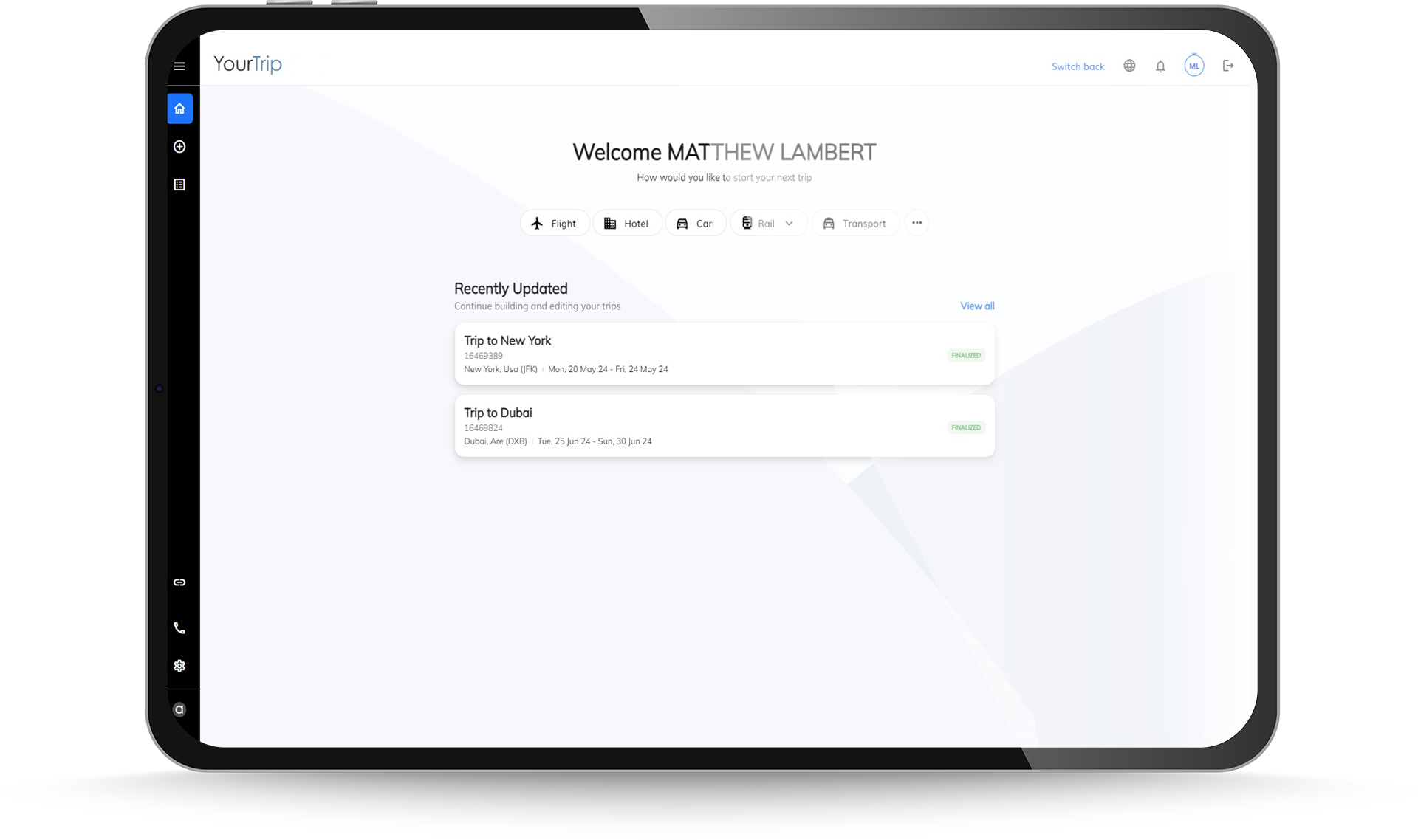
Travel technology firm Sabre Corporation announced a multi-year partnership with Gray Dawes Group, one of the industry’s largest independent travel management companies (TMCs), on Wednesday, 30th April. Under this partnership, Gray Dawes has selected Sabre as its sole global distribution platform partner. Gray Dawes will partner with Sabre to accelerate its next phase of growth, prioritizing investments in innovation to better serve clients worldwide and enhance operational efficiency. Advanced capabilities in AI and automation will enable Gray Dawes’ agents to focus on high-value interactions, while Sabre’s multi-source content approach streamlines technology management, ensuring seamless access to comprehensive travel options. Gray Dawes CEO Suzanne Horner said: “We have selected Sabre as our global distribution technology platform because of their ability to support our operational model and international growth. Their global scale, stable technology infrastructure, and investment roadmap align with our objective to expand beyond our core markets and operate efficiently on a global scale. By focusing our entire global operation on a single GDS, we can achieve far greater efficiencies within our business, freeing up time and resources to further develop our Always On service model.” Horner added that Sabre offers excellent support to Gray Dawes’ High Tech, High Content value proposition, and she looks forward to seeing how the tech company’s innovation can complement her firm’s in-house technology developments to serve clients better. For regional growth Gray Dawes’ partnership with Sabre supports the TMC’s strategic growth initiatives across key regions, focusing on its European markets, particularly in the UK and the Netherlands, as well as continued growth in North America and Australia. Sabre regional director for Northern Europe and Benelux Richard Addey said: “This partnership highlights Sabre’s capability to collaborate with and deliver integrated solutions for TMCs looking to scale both locally and globally. By combining our AI-driven technology, automation, and multi-source content, we are supporting Gray Dawes’ growth strategy and enabling them to enhance operational efficiency while focusing on high-value services for their clients worldwide.” Gray Dawes accesses Sabre content through YourTrip, their online corporate travel platform and booking tool, powered by Atriis. Gray Dawes has been instrumental in the development of Atriis, as well as pioneering their own online Portal, which provides clients with complete control over their corporate travel program within a secure environment, a model into which Sabre fits perfectly. Sabre’s open approach and API connectivity enable access to its travel marketplace without the need to change existing technology, supporting Gray Dawes’ operational model and allowing agents to continue delivering high-value service to their clients without disruption.
Sabre (Paloma)
3150 Sabre Dr, Southlake, TX 76092, United States USA

Sabre UK
London UK
Sabre Asia
Sabre Asia Pacific Pte Ltd, Singapore Singapore
Sabre Pacific
Sabre Pacific Pty Limited, Castlereagh Street, Sydney NSW, Australia
No Event found matching your search.
Return To Home